Home Blog Page 94

Signs of Postpartum Anxiety and What to Do

A parent holding their child.
One in eight new moms suffer from postpartum anxiety or depression. Photo from Pexels.

Almost every parent who has ever parented has felt they weren’t prepared for this monumental role; that they would most certainly fail at every step and that their child would bear the results of this mistake forever.

Childbirth and parenting are absolutely tough jobs, and the addition of changing hormone levels and fatigue can lead to postpartum anxiety and depression. In fact, the Centers for Disease Control and Prevention (CDC) estimates that 1 in 8 new moms suffer from postpartum anxiety or depression. But many times, new mothers wait to address their personal issues until they’re very serious.

“New mothers are waiting till things are out of control,” explains Sydney Seeley, CNM, WHNP with ProMedica. “At that point, it’s harder to treat.” While new mothers struggle with anxiety and worry, they are being told this is the best time of their lives and they must be so happy. And they’re uncertain that their symptoms are really that serious.

“There’s a real stigma associated with postpartum anxiety and depression, so new mothers are reluctant to seek out help,” she said.

Seeley is a board-certified nurse midwife and women’s health nurse practitioner who has seen an increase in women reaching out for help since the end of the pandemic. “During the isolation of Covid, women were reluctant to seek help,” she said. Since the pandemic ended, she has worked to see new mothers more quickly to assess their anxiety levels earlier.


Identifying the issues

With postpartum anxiety, mothers tend to feel that they or their baby is in constant danger. Beyond worry, mothers may stay awake all night to be sure their baby is still breathing. They may be terrified to leave the baby alone for a few minutes, even with an adult they trust (even a spouse). Signs of postpartum anxiety can also include these physical, emotional and behavioral symptoms:

  • Disrupted sleep
  • Increased heart rate or heart palpitations
  • Nausea or stomach aches
  • Feeling short of breath
  • Loss of appetite
  • Trouble sitting still, or muscle tension
  • Inability to relax or keep calm
  • Obsessing over irrational fears, having racing thoughts about worse-case scenarios
  • Forgetfulness, irritability, feeling fearful
  • Avoiding activities, people and places
  • Being overly cautious

Seeley explains that the mother’s schedule has a lot to do with symptoms becoming aggravated. At the 4–6-week (post-delivery) point, most mothers tend to be okay and still have a good support system around them. But by 10-12 weeks, her support system may be gone, and she may be planning to go back to work herself.

“Don’t be afraid to talk to your provider,” Seeley said. “It’s normal. Ask for help as soon as you feel any symptoms. You don’t want it to get out of control.” Treatment can take a wide range of approaches, from cognitive behavioral therapy to medications.


A photo of a person smiling.
Sydney Seeley, CNM, WHNP, ProMedica.

Getting away

Another resource Seeley really believes in is for mothers to seek out support groups, as well as making time to be away from the baby. “Get out of the house as much as possible” after the first 6 weeks, she explains. “Mothers have to make time for themselves. Try to arrange to get out for 30 minutes and do something for themselves.” Take a walk, eat a healthy diet, do some yoga, ask family for help.

Support groups are also an important resource for mothers to get information and to connect with people in similar situations. The Maternal Mental Health Leadership Alliance is a national online organization that provides support to women during pregnancy and the year following. It offers a range of resources for screening and support for new mothers. Postpartum anxiety and depression organizations offer nationwide support networks and individualized counseling. And local online resources, such as Mom on the go in Holy Toledo, give a personalized view of life as a mom.

But on a daily level, a great first step is literally taking a step. “We can’t control the worry we have about our babies,” she said. But she says that walking away, even for a moment, is a very strong and effective therapy. If your baby is crying, “Just go in 4 times the first time, then 3 times, then 2 times. Baby steps.”

Celebrate All the Dads in Your Life for Father’s Day

Photo of family smiling up at camera

Growing up with a single mom, Father’s Day always felt a bit tricky. I did have a relationship with my biological dad, but we were not very close. Instead of limiting the person we honored on Father’s Day to him, my mom taught me how to honor people who had a father-like role in my life.

I’ve been blessed to honor five other men who carried that role in my life. Being a father isn’t always about biology. Sometimes for Father’s Day, we focus on a biological dad. Other times, there are men in our lives who take on the role of a father even if there is no biological connection. For me, this was an uncle, a grandfather and a step-father who later adopted me. When I got married, I added my father-in-law, and finally my husband as the father of our kids.

The beauty of Father’s Day doesn’t have to be limited to one person. Instead, we can recognize the contributions of people who are fatherly in our lives and our children’s lives. As we approach Father’s Day this year, you can recognize and celebrate all the dads in your life.

Celebrating these people does not need to be complicated. Often, simple is better. You can find meaningful ways to honor the people who are father figures in your life.

Honoring your dad on Father’s Day

The most obvious person to celebrate is your own father. No matter why you consider this person your dad, you can use this day to honor them for the role they play in your life. Consider these ideas to honor your dad:

Personalized Gifts: Consider giving your dad a personalized gift that reflects his interests and hobbies. It could be a custom-made item, engraved with a meaningful message or his initials.

Cook His Favorite Meal: Prepare your dad’s favorite meal for dinner. It’s a thoughtful way to show him how much you care.

Memory Jar: Encourage family members to write down their favorite memories or messages for your dad and place them in a decorative jar. Present it to him as a keepsake and reminisce about some favorite memories.

Meaningful ways to celebrate a grandfather on Father’s Day

Grandfathers have a unique role in their grandchildren’s lives. Sometimes they are part of your daily life. Other times, grandfathers live far away or there are other limits to how often you connect. Father’s Day is still a great time to remind them of how much you care. Here are some ways you or your children can honor a Grandfather:

Handwritten Letter or Card: Express your gratitude and love for your grandfather in a heartfelt letter or card. Share specific memories or qualities you admire about him.

Family Gathering: Organize a family get-together or a special meal to honor your grandfather. It could be a barbecue, coffee date or dinner at his favorite restaurant.

Photo Album or Scrapbook: Create a photo album or scrapbook filled with pictures of your grandfather, family gatherings and memorable moments together.

Ideas for celebrating a father-like relative

Many times people have a relative like an uncle step into a fatherly role. This could be because a father is absent or simply because they care and want to show their love and support. Recognize them on Father’s Day with one of these ideas:

Gift Basket: Put together a gift basket filled with his favorite snacks, drinks, books, or hobbies. Tailor it to his interests and preferences.

Outdoor Adventure: Plan an outdoor activity that your loved one enjoys, such as fishing, hiking, or a stroll in the park. Spend quality time together in nature.

Video Message: If you cannot be with your uncle in person, consider recording a video message to send him on Father’s Day. Share your love and appreciation for him in a heartfelt video.

Celebrating a friend or mentor on Father’s Day

Often, people have adults in their lives who demonstrate fatherly characteristics. This could be a teacher, a coach or a close family friend. It is thoughtful to show them how much they mean to you for Father’s Day. Try these ideas:

Gift of Time: Sometimes, your best gift is your time. Simply spending the day with this mentor, doing activities he enjoys, can be a meaningful way to honor him on Father’s Day.

Express Gratitude: Write a heartfelt letter or card expressing your appreciation for your mentor’s guidance, encouragement, and impact on your life. Share specific examples of how they helped you grow and succeed.

Public Acknowledgment: If appropriate, publicly acknowledge your mentor’s contributions and impact on your life or career. You could write a social media post, dedicate a blog post or publicly thank them at an event.


RELATED: Father’s Day Photo Contest


Ideas for Celebrating Your Spouse

Watching your husband become a father impacts you and your children for a lifetime. Consider how you can make him feel special and loved for all he does. Think about ways you can show him you appreciate him as well as ways your kids can show him that they love him.

Breakfast in Bed: Start his day off with a special breakfast served in bed. Prepare his favorite dishes and include a handwritten note or card expressing your love and appreciation.

Family Outing: Plan a fun family outing or activity that your husband enjoys. It could be a trip to the zoo, a hike in nature, a visit to his favorite museum or a picnic in the park.

DIY Gifts: Get creative and make DIY gifts together with your kids to surprise your husband. It could be homemade cards, crafts or personalized photo albums that capture special family moments.

Tech-Free Day: Declare a tech-free day where the focus is on spending quality time together as a family. Disconnect from devices and engage in activities like board games, completing a project or outdoor adventures.

Family Movie Night: Set up a cozy movie night at home with your husband’s favorite films, snacks and blankets. Spend the evening cuddled up together enjoying quality family time.

Surprise Getaway: Plan a surprise weekend getaway or staycation for your husband and the family. This is a great way to unwind and create new memories together.

Express Appreciation: Throughout the day, verbally express your appreciation for your husband’s role as a father and partner. Let him know how much he means to you and how grateful you are for everything he does for the family.

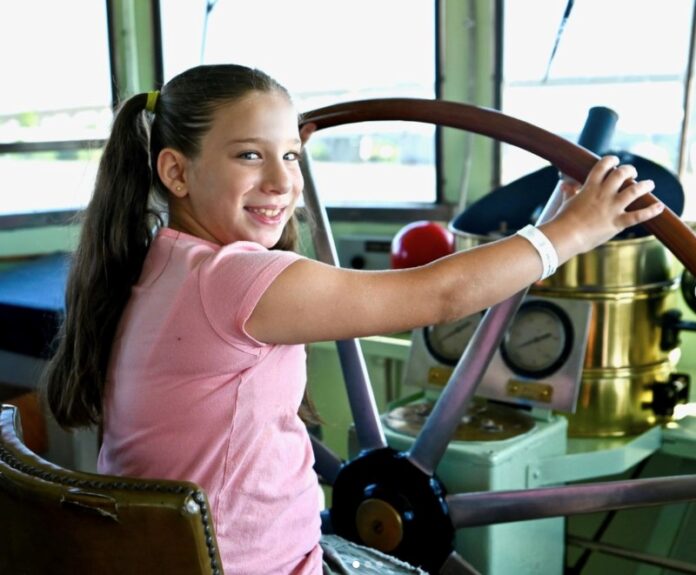
Join Captain Scupper’s Crew at the National Museum of the Great Lakes

Child at museum exhbit
Photo from @nmgltoledo on Instagram.

The National Museum of the Great Lakes‘ program “Captain Scupper’s Crew Life” will be returning for another year on June 8. This event presented by The Andersons invites ages 8-12 to join the join our junior Schoonmaker crew. During the event, participants will experience learn what it is like to have a job onboard a lake freighter. 

“Captain Scupper’s Crew Life is a wonderful opportunity for children to dive into the world of Great Lakes shipping and discover the fascinating careers that keep this vital industry moving,” Director of Museum Operations at the National Museum of the Great Lakes Ellen Kennedy said in a press release. “We are thrilled to bring back this enriching experience this year.” 


RELATED: 2024 Summer Camp Guide


This event takes place on June 8 at 11 a.m., 1 p.m. and 3 p.m. This program will also be offered on Aug. 10 at the same times. Registration is free for members and included in the price of museum-ship combo admission.

To register, visit, nmgl.org/events. If space permits, day-of signups may be available. Group are limited to 15-20 participants. It is required for children to be accompanied by a parent or adult caregiver during this event. 

individuals who qualify for Museums For All can participate in this event for free. Museums For All is an an access program at the National Museum of the Great Lakes where those receiving food assistance (SNAP benefits) can gain free or reduced admission using their SNAP EBT card. 

Father’s Day Events in Toledo

Photo of child on a father's shoulders

Celebrate the father figures in your life this year at a local event. Whether your dad is an animal lover, sports fan or foodie, Toledo has an event for you. Discover your options in our Father’s Day event guide!


June 12

Kid’s Club Father’s Day

Celebrate Father’s Day at the monthly children’s entertainment and education series. Registration is required.

Franklin Park Mall, 5001 Monroe St., Toledo

June 16

Father’s Day Brunch

Brunches are for the dads, too. Enjoy a Father’s Day brunch complete with hot dogs, mac and cheese, chips and beverages in the Holy Toledo Room and catch a Mud Hens game.

Fifth Third Field, 406 Washington St., Toledo

Father’s Day BBQ

Enjoy a delicious buffet, an animal demonstration, live music, and a kid’s craft. BBQ ticket includes Zoo admission and complimentary parking.

Toledo Zoo, 2 Hippo Way, Toledo

The Dad Games

Family arcade battle at Dave & Busters. Ticketed.

Dave and Buster’s, 5001 Monroe St, Toledo

Father’s Day Brews & BBQ

Delicious food and local brews. Reservations required at 419-243-1302 or online. 

Maumee Bay Brewing Co., 27 Broadway St., Toledo

Father’s Day Cruise

Glass City Pearl

The Sandpiper

Bring dad/grandfather out for a wonderful cruise on the river. Fathers/grandfathers are FREE with the purchase of another ticket. 

J&M Cruise Lines, 1 Jefferson Ave., Toledo


RELATED: Father’s Day Photo Contest


Savanna’s Soul Kitchen Father’s Day Dinner At No Cost

Celebrate the amazing dads, guardians, & families in our lives with a delicious meal prepared with love.

Frederick Douglass Community, 1001 Indiana Ave., Toledo

Father’s Day/Juneteenth Pop-Up Shop

Celebrate family and black-owned businesses.

Vibe Lounge, 710 S. Reynolds Rd., Toledo

Audition for “Tosca” with the Toledo Opera

TOSCA poster

Boys and girls ages 9-14 with unchanged voices are encouraged to audition to sing in in the children’s chorus of “Tosca.” Auditions will be held on June 22 from 11am-3pm at Toledo Opera Offices, 425 Jefferson Ave., Suite 601.

The commitment for this role is August-October. If a child make it through auditions, they will be expected to attend rehearsals on Sundays from 4-4:45pm at the Toledo Opera Offices.


RELATED: Instilling a Love of Music in Children in Toledo


“Tosca” is the an opera that takes place is 1800 Rome in the middle of a war between Napoleon and the Austrian empire. Floria Tosca is a beloved opera singer who is willing to fight to protect those she loves, especially her lover, the painter Cavaradossi.

“Tosca” performances will be held on Oct. 18 and 20 at Valentine Theatre. The stage director for this production is Jeffrey Buchman (Toledo Opera’s Carmen, 2018 and La Bohéme, 2020). The show stars Lindsey Anderson (The Ballad of Baby Doe) as Tosca, Brendan Boyle (Ragtime) as Cavaradossi, and Corey Crider (Cavalleria Rusticana) as Scarpia. It is presented in Italian with English supertitles.

Email James Norman at [email protected] to schedule an audition

Youth Mental Health: What Parents Need to Know

A sad child sitting with her parents.
Photo from Pexels.com.

Nearly four in ten parents say they are extremely or very worried that their children might struggle with anxiety or depression, according to the Pew Research Foundation.

Carrie Baker, Pediatric Nurse Practitioner with Maumee Bay Pediatrics, has seen a tremendous increase in the number of referrals for mental health over the past ten years. As a parent of a child with anxiety, Baker understands parents’ concerns.  She wants parents to treat anxiety and depression similarly to how they would any other physical issue.

Baker, board certified in pediatric mental health, provides assessment and diagnosis of mental health issues. She then sets children and teens up with counseling, and if they need medication, she can prescribe it as part of the total treatment plan. 

The accelerated rate of mental health diagnosis in young people is twofold according to Baker. More children and teens are being diagnosed and treated for mental health concerns that would have gone untreated in the past. In addition, mental health issues are increasing among young people. 


Under-diagnosed

According to Baker, “There has always been a significantly higher rate of mental health issues in children than what was ever been diagnosed before…there’s this black cloud over mental health. If you have anxiety or depression, then there’s something wrong with you. It’s not a very accepted diagnosis.” 


RELATED: Mental Health Resources for Children and Teens in the Toledo Area


For some, the brain doesn’t produce enough of certain neurotransmitters on its own like how some people’s bodies don’t produce enough insulin. Diabetics may be able to manage their condition with diet and exercise as some people with anxiety or depression can be helped with counseling and coping skills. Whether it’s diabetes or mental health, medication may also be needed. 

Pediatric providers aren’t usually screening for mental health, so issues can get overlooked. If kids are having headaches, throwing up, having stomach aches or other somatic complaints and other tests are normal, they may need to a mental health assessment. 


Increase in mental health issues

Baker sees young people being increasingly affected by social changes, especially technology.

“Social media is one of the largest factors for anxiety and depression in kids.” She identifies a few ways that social media adds pressure and stress for kids: 

  • Cyberbullying means that bullying can be both in person and with social media.
  • Embarrassing moments are now posted for anyone to see and become a permanent record. 
  • It’s easy for kids to think that others have bigger social groups, are having more fun, and are more beautiful.
  • Comments can be cruel; it is easier to be critical when not face to face.

Kids also have increased access to information.  As kids are facing more stressful issues and their brains are being taxed, more mental health issues arise. 


Normal teen angst or anxiety or depression?

Normal mood fluctuations can be stressful, but typically children and teens are still productive, active, functioning at school, and participating with friends and activities. The big indicator for anxiety and depression is that mood starts to impact functioning. 

Signs that kids may have a more serious mental health concern:

  • Withdrawing
  • Spending more time in their room 
  • Not seeing friends as much 
  • Over or under eating 
  • Dropping grades 
  • Teachers notice a change 
  • Hygiene declines

Baker recommends making an appointment for a mental health assessment if a parent is concerned about what they are noticing. As many providers do not diagnose or treat pediatric mental health, ask for a referral to someone who does. 

Baker sees that “people are so reluctant to treat the brain, but it’s no different than treating the pancreas. The brain controls everything you think or do. So why would we not want to take care of that organ?”