Home Blog Page 85

Hook a Book Lover: 10 Clever Ways to Get Kids to Read

Screenshot

One of the most important things parents can do is raise a reader. Successful reading leads to successes in academics and gives kids a solid start in life. In fact, research shows that kids who read at least 15 minutes a day have accelerated reading gains.

But no matter how diligently parents support reading, sometimes kids resist. Books have to compete with those oh-so-scintillating devices, video games and streaming apps.ย 

Why not shake things up and try stealthy ways to hook a book lover? The following 10 ideas are sure to win over the most reluctant reader.

Free stuff!

If your kids donโ€™t believe you, ask Alexa, Siri or Google โ€œWhat free stuff can kids earn by readingโ€ and oodles of items will pop up. By merely recording the titles they are reading, my own children have earned pizzas, frozen yogurt, books from Barnes and Noble and amusement park tickets.


RELATED: Preparing for the First Day of Kindergarten


Let the books out.

Donโ€™t cage them up on the shelves! Research shows that kids from print-rich homes are better readers, but it helps if the books, magazines and newspapers are out where kids can see them. Put bins and baskets of books in the bathroom, in the car, and spread out books with inviting covers all over hard surfaces in your home.

Reward with extra bedtime reading.

Have you noticed that your child who has a plague-like aversion to reading during the day suddenly develops a fondness for it at bedtime? Embrace this and let your child earn extra reading time at bedtime. If he or she reads for a specified amount of time or a certain number of books, extend lights out for a few minutes โ€” as long as your child spends that time reading.

Make your book nook the envy of the neighborhood.

Think: tent with twinkle lights. Plump pillows. Comfy chairs. Make your childโ€™s reading space as comfortable and inviting as you can. But you donโ€™t have to get fancy โ€” sometimes what adults think is simple is a kidโ€™s reading castle.ย  When my children were young, they draped a sleeping bag over the footboard of our queen-sized bed. Extending it from the back of the bed, they lapped it over a chair and then curled up with their books in the โ€œreading fort.โ€ When reading time was over, we put everything away.

Make it a double feature.

Every year new films come out that are inspired by books. If your child wants to see a movie that was based on a book, have them read the book first and then rent the movie and watch it together. Compare the two, and have your child explain which he or she liked better, the movie or the book.

Get graphic.

Iโ€™m talking graphic novels here. They may not be the conventional kind of books parents grew up with, but they may draw your child into reading. And while you are mixing it up, let them read comic books. Oh, and throw in some audio books and let them read on a device sometimes. Imagine all the possibilities that might engage your child in reading.

Let them order a magazine subscription.

Magazine subscriptions that come specifically for the kids of the house make them feel grown up and tempt them to read. Some good ones to try: Ask, Ranger Rick, National Geographic Kids, Sports Illustrated Kids, Cobblestone, Ladybug and Highlights.

Tickle a funny bone.

From Jeff Kinneyโ€™s Diary of a Wimpy Kid to Peggy Parishโ€™s Amelia Bedelia, or Sara Pennypackerโ€™s Clementine, a funny story is a good way to hook a book lover. And if you read a humorous book with your child, you might find yourself chuckling along, too.

Let there be light.

Come on, donโ€™t be so stuffy! Let them read with a flashlight under the covers. Also, there are a plethora of really cool reading lights in todayโ€™s universe. Headlamps are a unique option, and there are even book lights that keep track of minutes read.

Be a rock star reader yourself.

Carve out time daily for your child to see you pouring over the paper, curling up with your favorite book, or discussing a tidbit from a magazine. Model a reading life, and your child will be more likely to embrace the same literature-loving values.

Janeen Lewis is a nationally published writer, teacher and mom to Andrew and Gracie. When sheโ€™s not trying to tame the whirlwind that is her life, youโ€™ll find her curled up with a good book.

Therapy Can Help Youths with Emotions and Social Skills

Teens laughing together

The lives of youths often are thought to be fun and carefree, but not always. In this post-pandemic, social-media-heavy era, itโ€™s sometimes tough being a kid, facing emotional trauma. What can parents do?

โ€œWe take our kids to a doctor or a dentist,โ€ said Erin Wiley, a licensed professional clinical counselor and owner/therapist of The Willow Center. โ€œWhen there are issues in school, we find a tutor. If they want to play an instrument, we find a teacher.โ€

She continued, โ€œAs parents we canโ€™t be proficient in everything our kids need.โ€ If theyโ€™re struggling with their feelings and emotions, she said parents should feel comfortable seeking a therapist for them.

The reasons for child therapy have changed since the pandemic. โ€œItโ€™s shifted from behavior disorders to more anxiety and trauma disorders,โ€ said Leslie Lefevre, clinical manager of the youth therapy department at Zepf Center. โ€œItโ€™s more about mood disorders now than in the past.โ€

โ€œWeโ€™ve certainly seen an uptick in therapy across the board,โ€ said Phillip Atkins, Ph.D., chief care coordination officer for Harbor, โ€œspecifically with kids. Theyโ€™re facing quite a bit of pressure that we didnโ€™t have growing up. Certainly, the pandemic was a watershed for kids and their development. We have a generation of young people who just derailed, rerouted from the typical normal stages of development. Now, theyโ€™re running to catch up.โ€

Atkins added, โ€œOne of the most common mental health disorders is anxiety. Thereโ€™s a lot more cultural anxiety than 10 years ago. Kids experienced the collective trauma of a pandemic. When they were supposed to do key development tasks, like staying with friends or being dropped off at a movie by themselves when they were able to master the next step, they didnโ€™t. The trauma of that has biologically changed the brain wiring of a lot of our kids.โ€


RELATED: Why Kids Need Risky Play to Thrive


Youths are having more social and emotional difficulties, Lefevre said, and are undergoing therapy to learn those social and coping skills. At Zepf, she said youths receive behavior therapy focusing on developing social skills. โ€œThereโ€™s a lot of role-playing, practicing skills in session, and coaching how to practice them outside of the session,โ€ she said. For example, she added, โ€œSome kids come in who refuse to order their own food in a restaurant, so we work on having them try to order at least their drink without help.โ€

As an example of how youths think, Wiley points to the recent family/comedy animated film โ€œInside Out 2.โ€ That movie introduces the character of Anxiety to the mix of Joy, Anger, Fear, Disgust, and Sadness to a young mind.

โ€œGive kids permission to have big feelings and not stifle them, otherwise theyโ€™ll become physically and emotionally sick,โ€ she said.

Atkins said parents can help by taking care of themselves, too. โ€œBe aware of your own anxieties and fears,โ€ he said, โ€œmaking sure you have a support system to deal with your own issues. Kids pick up on emotions and stresses, even when we donโ€™t think weโ€™re showing them. Be upfront and say, โ€˜Dadโ€™s struggling right now, so Iโ€™m going to talk to somebody.โ€™ Itโ€™s good to acknowledge that.โ€

Atkins added, โ€œWe like to think we have an open dialogue with our kids, but we also need to arrange for a caring adult outside of our home where they can find safety or bring things up โ€“ having someplace where a kid can go when thereโ€™s a sense of tension in the household.โ€ย  He recalls as a child โ€œwe had neighbors where we could go to and we could hang out, watch TV. Having those safe harbors for your kids is really important.โ€

He also cautioned parents against overscheduling their children in this post-pandemic time. โ€œWe were on an activity binge before the pandemic,โ€ Atkins said. โ€œNow parents want to give them opportunities because they were locked down for two years. Be conscious of overscheduling.โ€

Lefevre also has suggestions for parents. โ€œParenting is hard. Iโ€™m a parent myself. Every kid is so different. Itโ€™s OK to ask for help. Itโ€™s important to get past โ€˜Itโ€™s not OK to ask for helpโ€™ because itโ€™s not an easy process.โ€

She added, โ€œI always advocate for early intervention, sooner rather than later.โ€ She said many parents tell the Zepf staff they waited a year or so before looking into therapy for their child โ€œbecause they thought it was a phase and they would grow out of it, but itโ€™s good to bring the child in and get evaluated.โ€

Lefevre said parents should consider having their child evaluated in the summer if possible. โ€œYouโ€™ll get in quicker. We get booked up pretty quickly in the fall.โ€

Wiley has encouraging words for parents. โ€œIf you have a kid whoโ€™s different, more sensitive, more anxious or more easily upset in ways that are disproportionate to their peers, that means you have an exceptional child. Those kids tend to be really bright, if not academically, but creatively and artistically. They often have a great need for emotion regulation and resiliency than other kids, not because anythingโ€™s wrong with them. To the contrary, it means somethingโ€™s remarkable about them.

โ€œSeeking help for them to live with themselves is a gift you can give your kids,” Wiley said.

Whatโ€™s On Our Bookshelf This August

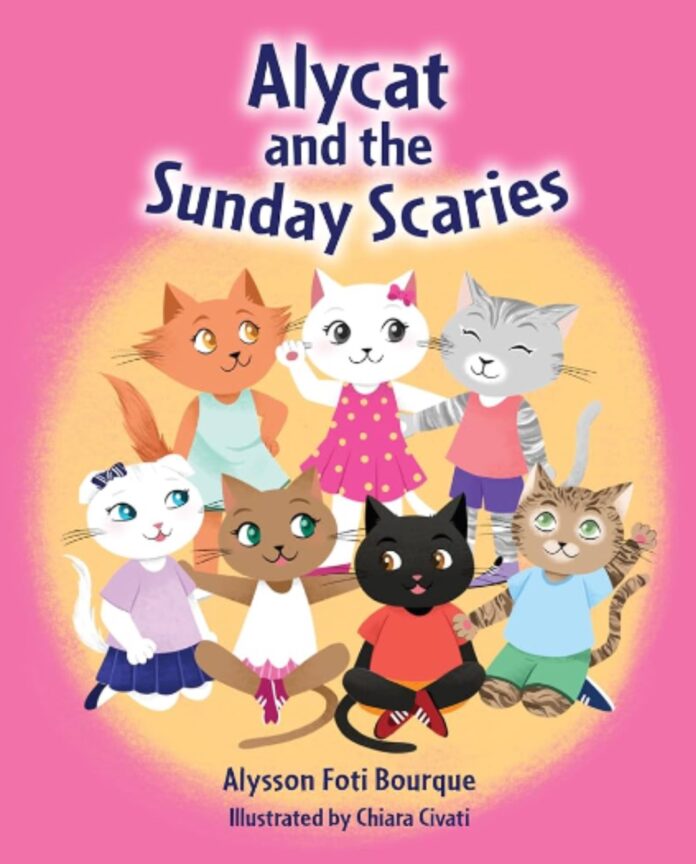
Alycat and the Sunday Scaries

By Alysson Foti Bourque

For many children, the end of the weekend brings the Sunday scaries as they anticipate the dreaded start of a new week. In the final installment of the popular day-of-the-week series, “Alycat and the Sunday Scaries,” Bourque tackles anxiety and problem solving, offering little oneโ€™s tangible tips to cope with the unknown. Children will enjoy watching their favorite cat characters band together and to help each other through their own scary situations. Ages 5-8.

Play Outside With Me

By Kat Chen

In this collaborative and interactive board book series, young tots are invited to go on a park play date with Sam and Squirrel. Theyโ€™ll blow bubbles, make sidewalk art and go down the slide, all while answering simple questions and responding to prompts that make the young reader feel important and part of the action. Ages 1-3.

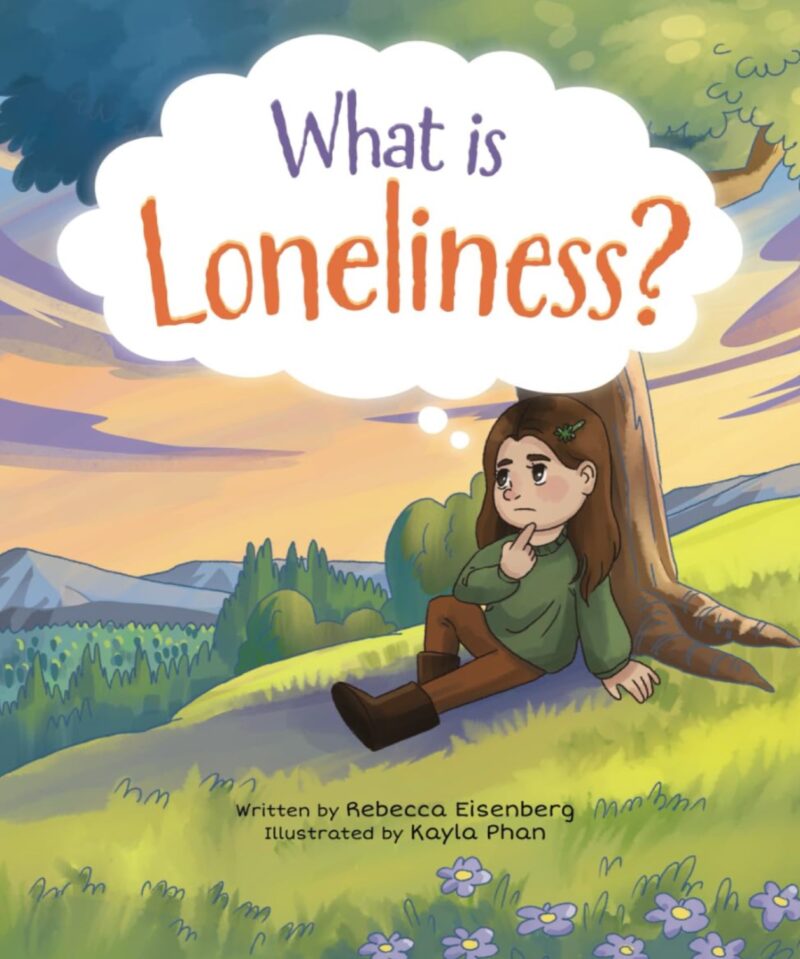
What Is Loneliness?

By Rebecca Eisenberg

Kids often face the complex emotion of loneliness and the sadness it brings to them, which may feel scary and isolating. Through simple sentences and captivating visuals that convey the feeling of being alone, this book assures readers that these feelings are normal, while providing suggestions for kids on how to overcome it and pointers for parents as they continue to navigate the conversation with their children. Ages 5-8.

Webster the Beagle and his Adventures at the River

By Frank Payne

Webster is a rescue dog who brings joy to the people around him, especially his owner! The highly anticipated second book of the Webster series, “Webster the Beagle and his Adventures at the River” illustrates the special bond between best friends and their shared love of life on the river. Kids will love seeing life on the water through Websterโ€™s eyes, which includes a fishing trip and meeting fascinating sea creatures. Ages 3-7.

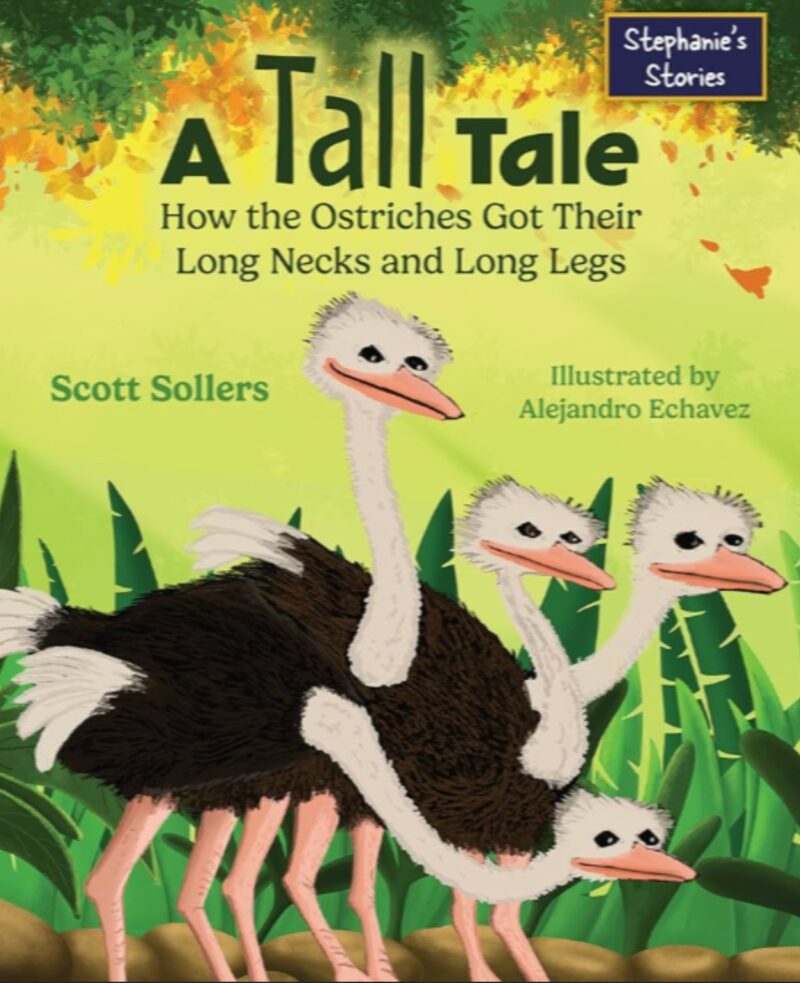
How the Ostriches got their Long Necks and Long Legs
By Scott Sollers

Two rival communities โ€“The Have-Alls and the Have-Nots โ€“ live on very different lands separated by a ridge. The Have-Alls live in a fertile valley while the Have-Nots live in a desolate and barren space. When the Have-Nots get jealous of the Have-Alls, a tug of war ensues, with their pet squatz caught in the middle. A silly story with moral lessons about the pitfalls of envy and the virtues of compromise and collaboration. Ages 3-7.

This collection of books was gathered by freelance writer Lori Orlinsky, an award-winning, bestselling childrenโ€™s book author and industry expert who lives and breathes childrenโ€™s books.

Risa Cohen Releases Debut Album for Children

Music and movement go together naturally. We hear a lively tune and instinctively tap our toes to the rhythm. But did you know that music and movement can lead to early literacy skills?

Local educator and musician Risa Cohen recognized the connection early in her career working with children. She founded Sing Into Reading LLC to help parents and teachers discover the connection.

โ€œAs a classroom teacher, the singer/songwriter/performer in me led me to sing and dance with my kids every day,โ€ Cohen said. โ€œI immediately recognized the magic power of music and movement. The music-literacy connection was immediately apparent to me, even before I discovered that there is plenty of research and writing to back it up.โ€

Cohen took her classroom experiences and shaped them into instructive workshops for educators.

โ€œWhen people asked me how I got my kindergarteners to write so well, I would tell them about our process, adding โ€˜we sing and dance every day.โ€™โ€

Debut album released in June 2024

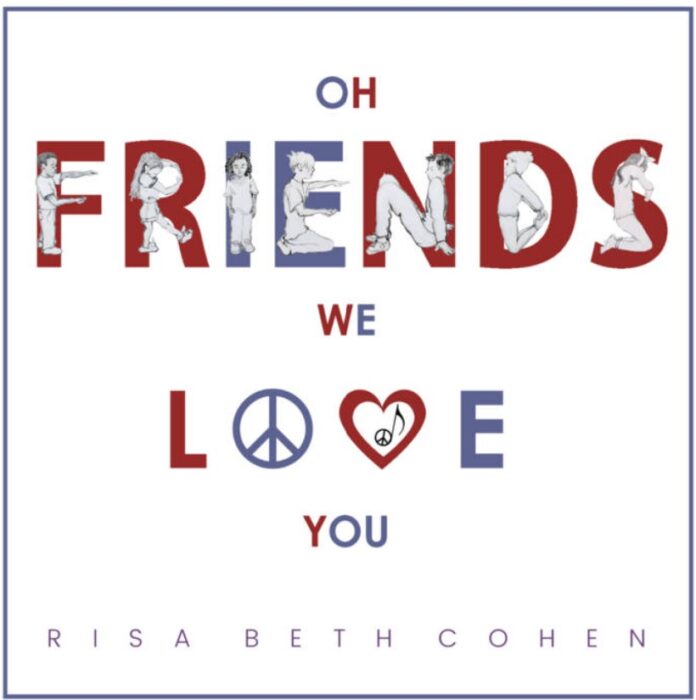
Cohen recently released a recording of her original songs called โ€œOh Friends We Love You.โ€ She worked with Chris Antalek at his Toledo studio, Chrisโ€™s Music Factory, and finished recording in May 2024. The album, which was released in June, features 10 original songs.

โ€œChris did not just serve as the sound engineer, but also the studio musician. He even designed the album cover. He used to teach my youngest child, and I have the utmost respect for him,” Cohen said.ย 

Cohen sings and plays guitar on the album, offering short and sweet tunes that are peaceful as well as playful. Each song has a theme, such as kindness and generosity (โ€˜Cause Iโ€™m Free), goal-setting (Itโ€™s a New Start), and personal growth and learning (Every Day I Grow).

She is hopeful that families and classroom teachers alike will benefit from these recordings.

โ€œClassroom teachers will especially appreciate these songs and I know they will find them useful. Parents and caregivers will also be able to weave these songs into their daily lives. But as much as families and educators will like these songs, children like them most of all,” Cohen said.ย 

Using music to teach motor skills

Cohen incorporates fine motor and gross motor skills in her music, making these lessons enjoyable for children.

โ€œI sing a lot of finger plays and incorporate American Sign Language. This helps children learn finger isolation and dexterity,” Cohen said. “These skills directly relate to handwriting.โ€

Children will be inclined to get up and dance when they hear these tunes, and Cohen encourages this by incorporating movement.

โ€œSome of the songs on this album utilize motions that cross the midline, such as โ€˜Directional Linesโ€™ and โ€˜First You Put Your Thumbs Upโ€™. The ability to cross the midline is necessary to track print across a page.โ€

โ€œI also sing songs and do motions that build shoulder girdle stability, which is important for handwriting,” Cohen said.ย 


RELATED: Emotion Motion Podcast Helps Children Find Their Feelings


Workshops and performances

Cohen offers workshops for parents and educators to teach them the benefits of musical education. She has participated in virtual workshops all around the world, and has presented at many conferences. She also offers her program through online classes.

She notes that music connects to literacy in the following ways:

  • music can boost memory, self regulation and attention skills
  • songs can increase vocabulary and help teach grammar, context and syntax
  • beat synchronization has been linked to the ability to read
  • music can be a useful tool for teaching auditory processing
  • songs containing rhyme and alliteration can be helpful for learning sound discrimination

โ€œI have seen firsthand how powerful and effective this program is, and how much fun it is,โ€ Cohen said. โ€œI feel called to share it with the world. I just canโ€™t see myself doing anything else.โ€

Cohen can be seen and heard around town, singing her songs at various events. She recently performed at the National Museum of the Great Lakes for Captain Scupperโ€™s Songfest. On August 10, she will be performing for Ordinary Pioneerโ€™s Community Art Fest in Whitehouse. On August 15, she will offer a free concert at Olander Park in Sylvania.

Toledo Tomorrow: Making Meaningful Education Accessible

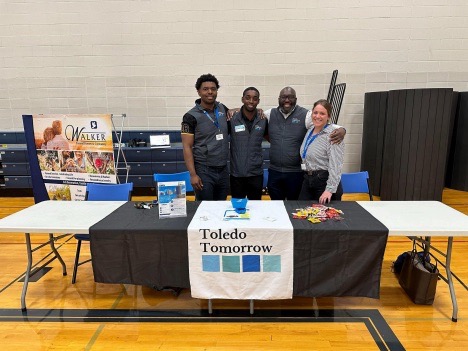
People standing behind a table.
Toledo Tomorrow College Team tabling at Whitmer High School.

Toledo Tomorrow is a cradle to career nonprofit organization that aims to ensure that all who desire higher education can have a path to obtaining their education as close to debt free as possible. Toledo Area Parent sat down with Mija Martin, education specialist at Toledo Tomorrow, and Bob Savage, president of Toledo Tomorrow, to hone in on what those seeking higher education should focus on as they prepare to transition from high school to college or trade school. 

Education accessible to all

When asked what high school students and their families interested in pursuing higher education without large amounts of debt should focus on, Martin stresses the importance of starting the process of seeking out resources as early as possible.

โ€œApply to colleges early. Apply for scholarships early. Our dream school may not be within our budget, so always use community colleges as another route as well because you can always go to a community college that is affordable for a year or two, get your GPA up, and then transfer to a four-year university.โ€

She continues, โ€œDo everything that you can on applications. Applications and those essays can pretty much tell whoever is reading it more information about you without meeting you, so if you donโ€™t want to do the essay, youโ€™re kind of already shorting yourself being awarded that opportunity.โ€

Savage added, โ€œWe have at least ten students that we worked with this year that are going to college on full rides next fall. They all wrote essays. Some of them werenโ€™t very long. It might not have been more than a couple paragraphs.โ€

In essence, the more a student is willing to put into the application process, the higher the likelihood that one will be rewarded with more financial aid. 

People standing in a gym.
Declaration Day 2024 at Start High School.

โ€œThe University of Toledo and Owens Community College are great colleges. You can receive fantastic education, and they also happen to be two of the better schools with financial aid,” Savage said. โ€œOver half of the households in Toledo could send everyone in their house to Owens Community College for free under the federal Pell grant based on income.โ€ 

Toledo Tomorrow encourages students to apply for colleges and financial aid by Thanksgiving, as the amount of financial aid awarded after Thanksgiving begins to decrease. 


RELATED: Eco-Fill Shop Owner Jocelyn Blank Offers Products Good For Families and the Environment


Alternative paths

For those students that may be considering attending a trade or technical school, Toledo Tomorrow wants to educate students that there may be FAFSA dollars available, depending on what the desired program of study is.

โ€œFor a forklift certification that is a two hundred dollar, sometimes two hundred fifty-dollar certification, FAFSA is not going to pay for that. But if youโ€™re planning on going to trade school for like welding, or electrical, or something like that, FAFSA will definitely pay for that,” Martin said. “So, it really depends on what you plan to pursue during that time in trade school.โ€

People talking in a group.
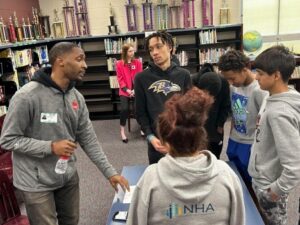
Owens Corning professional speaking with middle School students to present them with future opportunities.

Often, if students are able to obtain entry level positions in their desired field, potential employers may be willing to pay for students to obtain certifications. Another option is attending a community college and tacking on that certification to whatever degree is being pursued as well. Savage stresses that shortages within the workforce and just a simple boom in job opportunities in general means that there are many great opportunities for on-the-job training that did not exist in years past.

โ€œItโ€™s a good time to be looking for a job, and itโ€™s a good time to be looking for additional training,” Savage said. 

Partnership opportunities

One can find a list of partners for Toledo Tomorrow by visiting either of their two websites, toledotomorrow.org or nworep.org and selecting Contact Us, then โ€œPartner with us.โ€

โ€œWe are here to work with students and adults regardless of religion, race, zip code, and regardless of their life circumstance,” Savage said. “We want to help them on pathways to meaningful and quality education and to enter the workforce with a good career, a career where they can not only be financially stable but thrive financially.โ€