
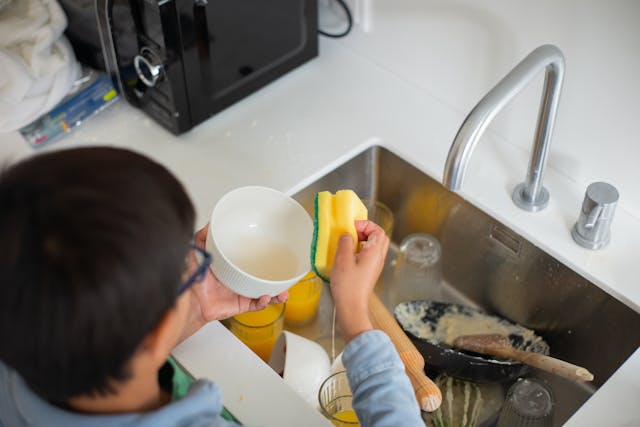
Let’s face it: digital age kids may be less thrilled by the prospect of doing chores or homework than the children of yesteryear. The eye rolls and dramatic sighs may, perhaps, be more exhausting than just doing those chores yourself. But what if, instead of battling digital temptation, we harnessed it? What if we transformed those mundane tasks into something, dare we say, fun?
Gamification of mundane tasks
How is that possible? Is there a secret cheat code? In fact, there is. And it’s called Gamification — the process of adding game-like elements to those pesky chores and tedious homework assignments, to encourage and facilitate participation. Gamification can be a powerful parenting tool. Think of it as turning your household into an interactive, real-life quest. Imagine “The Dishwasher Dungeon” or “The Homework Hunt.” It may sound crazy, but with a little effort, it can be surprisingly effective.
Clear goals
The first step is to define clear goals – goals that get the results you want and sound fun for children. Break down those daunting chores and study sessions into bite-sized, engaging challenges. “Conquer laundry mountain!” is far more appealing than simply, “Do your laundry.” “It’s time for homework”, could be changed to “Unravelling the secrets of social studies!” or “Mastering mathematical magic!”
RELATED: A Mental Health Day, Used Wisely, can Rejuvenate Overburdened Youngsters
Clear rules
Next, establish clear rules. Like a game’s instruction manual, these rules should be simple and easy to remember so everyone knows what’s expected. And, once you get started, tweak these rules as needed. Digital age kids are accustomed to hotfixes and patches in video games, so making those adjustments will be nothing new to them.
Rewards
This next step is crucial. You need to design a reward system that is both exciting and that children can easily see value in — think points, badges, even a literal, or virtual, treasure chest. Assign points for completed tasks, similar to earning experience points in a game. These points can then be redeemed for rewards – a later bedtime, a movie night pick, credit on their preferred gaming platform or a desired gift. You can add even more excitement by surprising them with hidden rewards when they reach unexpected milestones.
Chart the progress, use the vernacular
Visual progress is essential. Think of it as a level-up bar. This could be a chart on the fridge, a digital tracker on the family tablet – anything that visually represents their progress. Instant feedback is also important. A quick “Great job!” or an encouraging “Let’s go, you’re almost to the next level!” keeps them engaged and motivated.
Now, let’s talk about game mechanics. Chores can be rebranded as challenges or quests. “Complete the kitchen cleanup quest to unlock extra screen time!” Use progression to show advancement, like moving from “Apprentice Organizer” to “Master Tidier.” You could even add themes or a story that changes regularly to keep things interesting. “The Secret Agent Laundry Mission” or “The Space Explorer Homework Expedition” can transform even the most tedious tasks into grand adventures.
Collaboration and custom tailoring
Collaboration and healthy competition can also be powerful motivators. Create collaborative tasks, like a family cooking challenge, or introduce friendly competition through leaderboards. Just remember to keep it lighthearted and fun. And in this digital age, don’t forget the power of technology. There are apps that turn chores into games, and even smart home gadgets can add a touch of gamification to everyday routines.
Remember, the key is to tailor the system to your family’s interests. What excites one child might bore another. So don’t be afraid to experiment. Additionally, it’s important to maintain consistency. No one enjoys a ‘buggy’ game. Finding the right ‘effort versus reward balance’ is vital. Too few rewards, or rewards that are too difficult to attain, will only cause frustration. On the other hand, if rewards are too easy to earn, children will quickly lose interest.
Gamification isn’t about tricking your kids into doing chores. It’s about creating a fun, engaging environment that fosters responsibility and a sense of accomplishment. It’s about turning parenting into a game everyone wants to play.

