

March 2025: Free Family Fun

This March, Toledo offers a wide range of free things to do in Toledo for families, children, and individuals of all ages. From early literacy programs and creative art workshops to exciting STEM events and outdoor exploration, there’s something for everyone to enjoy without spending a dime. Whether you’re interested in a sensory playdate, a family movie or a hands-on science experience, the city’s libraries and community centers have plenty of fun-filled, free events planned throughout the month. Check out these wonderful opportunities to learn, play and connect with others in the community!
March 1
March Early Stages (ages 3-4) Drop In Class
Explore Spring with songs, crafts, stories and puppets.
Children’s Theatre Workshop, 2417 Collingwood Blvd., Toledo
March 3
Chemistry (Imagination Station Workshop on Wheels)
Chemistry has never been so interesting! Students will discover substances with strange and surprising properties. Grades 3-8.
Washington Branch Library, 5560 Harvest Lane, Toledo
Preschool Early Literacy Playdate
Drop in with your preschooler. While they move, explore, pretend and make friends, the Ready to Read team will introduce you to early literacy programs designed to help you raise great readers.
Sanger Branch Library, 3030 W. Central Ave., Toledo
RELATED: Kids Eat Free! Or Close To It
March 4
Shots 4 Tots is an immunization program for children from birth through 18 years of age administered by professional public health nurses for the Toledo Lucas County Health Department.
Holland Branch Library, 1032 S. McCord Rd., Holland
Movie and a Craft – Inside Out 2 (96 min), PG
Design a character stick puppet while enjoying the movie Inside Out 2.
South Branch Library, 1736 Broadway St., Toledo
March 5
This outdoor, multi-sensory nature play and exploration will introduce your toddlers up to three years of age to the natural world and promote its preservation. Registration is required.
Wildwood Preserve Metropark, 5100 W. Central Ave., Toledo
Join your family and friends at the Library for a night of reading, socialization and play! All ages are welcome, but best suited for ages 2-5.
King Road Branch Library, 3900 King Rd., Toledo
March 6
Find your Zen with Buddha Board painting.
Locke Branch Library, 703 Miami St., Toledo
March 7
Free First Fridays & Make and Take Craft Day
Enjoy free museum admission and a make-and-take craft every First Friday of the month!
Wood County Historical Center & Museum, 13660 County Home Rd., Bowling Green
March 8
A fun-filled experience with engaging stories, catchy songs and lively dance moves — designed to enhance social skills and get ready for school!
The Ability Center, 5605 Monroe St., Sylvania
Experience play through the senses in this relaxed, calming program filled with textures, toys and treats.
Main Library, 325 N Michigan St., Toledo
Family Movie Time at Walbridge
Join the Walbridge Library for a viewing of “E.T. The Extra-Terrestrial.”
Walbridge Library, 108 N. Main Street, Walbridge
March 10
Move, sing, clap and dance to the rhythm with your child! Discover the joy of music through ribbons, instruments and the power of movement. Registration is required.
The Ability Center, 5605 Monroe St., Sylvania
Sublimation markers are an awesome STEM tool to bring your design to life, using heat to transfer it onto fabric perfectly.
Mott Branch Library, 1085 Dorr St., Toledo
Celebrate Nintendo’s Mario with games and fun!
Main Library, 325 N Michigan St., Toledo
March 11
Upcycled Art: Spring Trees & Animals with 577 Foundation
Create a unique mixed-media spring landscape using recycled materials.
South Branch Library, 1736 Broadway St., Toledo
March 13
This 30-minute drop-in early literacy program for babies and their caregivers features music, rhymes and stories.
Way Public Library, 101 E. Indiana Ave., Perrysburg
Participating caregivers will receive a Ready to Read K-3 toolkit, filled with tools and activities to help strengthen reading skills. Registration is required. Virtual.
March 14
A friendly, inclusive space for parents and caregivers of children with and without disabilities! This playgroup is ideal for sensory exploration, safe play and tons of fun for everyone! Registration is required.
The Ability Center, 5605 Monroe St., Sylvania
March 15
Movie and a Craft – If (104 min), PG
Craft an imaginary friend while enjoying the movie “If.”
King Road Branch Library, 3900 King Rd., Toledo
Create cool patterns, spirals and designs that repeat in a sequence of Fibonacci numbers in this engaging art session.
Main Library, 325 N Michigan St., Toledo
Swim, Climb and Play at the YMCA (all ages)
Bring the whole family to this inclusive event at the YMCA! Swim in the heated recreation pool with a zero-entry area and slide, or enjoy the lap pool if you pass the swim test. Not into swimming? Try the rock wall or have fun in the gym! Registration is required.
Francis Family YMCA, 2000 Dean Rd., Temperance, MI
March 17
Decorate a terra cotta pot and plant a seed to grow into a beautiful flower.
Washington Branch Library, 5560 Harvest Lane, Toledo
March 18
Instrument Petting Zoo with TAPA
The Toledo Alliance for the Performing Arts (TAPA) and the Toledo Symphony Youth Ensemble will perform for children ages 3-10, giving them the chance to explore a variety of instruments!
Lagrange Branch Library, 3422 Lagrange St., Toledo
NAMI Creative Kids offers children and adolescents (ages 6 to 17) a chance to express themselves through art while discovering positive coping skills. Registration is required.
NAMI Office, 4334 Secor Rd., Toledo
March 19
Upcycled Art: Spring Trees & Animals with 577 Foundation
Create a unique mixed-media spring landscape using recycled materials.
Kent Branch Library, 3101 Collingwood Blvd., Toledo
Lucas DD’s Annual Inclusion Resource Fair is an inclusive event with many activities and resources.
St. Clement Hall, 2990 Tremainsville Rd., Toledo
March 22
Enjoy interactive science and engineering with a spark of creativity during Imagination Station’s Tinkering Takeover.
West Toledo Branch Library, 1320 Sylvania Ave., Toledo
Create your own miniature hole-in-one at the library using cardboard, obstacles and props. Then, enjoy a fun game of golf with a friend!
Main Library, 325 N Michigan St., Toledo
March 24
Care and Keeping of Pets with Toledo Humane Society
Learn about how to care for different pets and maybe meet a new furry friend.
Point Place Branch Library, 2727 117th St., Toledo
March 25
Magic Story Artistry with Yasu Ishida
Combining traditional Japanese theatre, music, origami, magic and storytelling; Yasu Ishida will guide you to the enchanting land of Japan.
Maumee Branch Library, 501 River Rd., Maumee
March 29
Bring in your clothing, small appliances, bicycles, jewelry, housewares and toys for repairs free of charge!
Sylvania Branch Library, 6749 Monroe St., Sylvania
Easter Egg Hunt at the Whitehouse American Legion
Enjoy an Easter Egg Hunt, along with crafts, food, games, a balloon artist, face painting and a special visit from the Easter Bunny!
Whitehouse American Legion Post #384, 6910 Providence St., Whitehouse
What’s on Our Bookshelf this February

The Perfect Valentine Checklist
By Brittany Plumeri
February is the month to celebrate love. This interactive book that inspires kids to share love and creativity by making their own Valentine’s Day Cards for friends, family, and anyone who deserves a little extra joy. A clever tool to teach kindness in a way that kids can understand. Ages 3-8.
 The World Needs the Wonder You See
By Joanna Gaines
A follow up to “The World Needs You,” this book takes kids on an imaginative adventure through nature’s small surprises, uncovering hidden worlds in which ladybugs live in tiny cabins, snails journey through mushroom fields and stars paint stories across the sky. A wonderful reminder to teach kids how to slow down and be curious. Ages 3-8.
RELATED: What’s on Our Bookshelf this January

Fresh Start
By Gale Galligan
Ollie’s moves around a lot, as her Dad is a diplomat. She never bothers to make friends or fit in, as she will get a fresh start next year. But when her family decides to stay put, Ollie navigates the awkwardness of middle school while trying to find out who she really is. A graphic novel that captures the bittersweet beauty of new beginnings. Ages 8-12

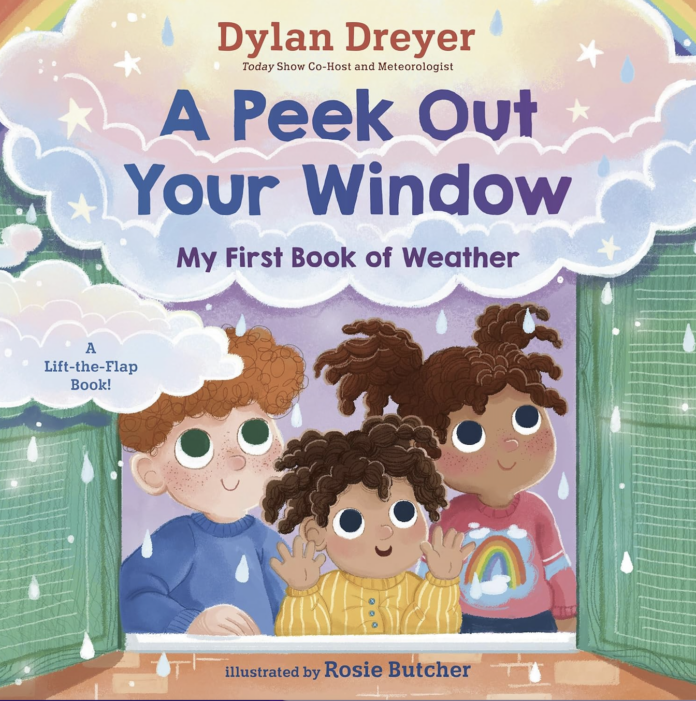
A Peek Out Your Window: My First Book of Weather
By Dylan Dreyer
The perfect introduction to weather for your little reader, meteorologist and “Today Show” host Dylan Dreyer uses Misty the cloud to encourage kids to discover the world around them. This interactive lift-the-flap book introduces simple weather concepts like sun, rain, snow and wind. A great way to introduce little ones to the weather. Ages 0-3.

All Better Now
By Neil Shusterman
A new disease is spreading quickly, threatening to become another pandemic, taking the lives of one out of every twenty-five people. The death toll isn’t what concerns the public, it is the strangely positive impact on survivors. This book follows three different characters on their path to survive this new outbreak. A captivating and thought-provoking story. Ages 12 & up.
This collection of books was gathered by freelance writer Lori Orlinsky, an award-winning, bestselling children’s book author and industry expert who lives and breathes children’s books.
The Pros and Cons of Childhood Gaming

It is estimated that more than 90% of children older than 2 play video games. Children ages 8 to 17 spend an average of 1.5 to 2 hours gaming daily. While three out of every four American households owning a video game console and children being entrusted with cell phones – essentially handheld gaming devices – at younger and younger ages, these numbers are expected to rise. Today gaming is an unavoidable part of childhood.
Parents’ perspectives on gaming need to shift. It is no longer a question of whether kids should play video games, but rather ‘how is their time spent gaming going to affect them?’ And how we can guide them to reap the benefits of gaming while mitigating its negative effects?
Benefits and drawbacks of gaming
If you ask parents about the benefits of video games you’ll probably get some funny looks. They may even tell you that video games are a waste of time. And maybe that was true 25 years ago, but video games have come a long way. Modern-day games are more sophisticated, and much more challenging than in the past. Current video games require keen reflexes, strategic thinking and the ability to quickly adapt to new situations.
Pro: The most obvious benefit of gaming is increased hand-eye coordination. Whether holding a controller in hand, poising hands on a keyboard and mouse or swiping furiously on a smart phone, players constantly hone hand dexterity while gaming; a benefit that could serve them well in their adult lives. Older generations identify today’s kids as adept at operating devices? This is why.
Con: On the flip side, while building up great hand-eye coordination, players may not be getting much physical activity. Over time this could lead to a sedentary lifestyle and poor eating habits. In extreme circumstances, obesity could become a very real problem, even for an age group renowned for having beneficial metabolism rates. Poor posture, either due to not sitting correctly or not having proper seating for prolonged periods, and eye strain are also physical concerns to watch out for.
Pro: Today’s challenging and competitive video games have child players utilizing higher brain functioning. The potential cognitive benefits of gaming include problem-solving (trying to solve complex puzzles or how to defeat difficult enemies), strategic thinking (trying to outwit other players) and quick decision-making skills (solving new challenges in real-time).
Con: As young players rush to master these complex games, and compete with other players, some may slip into the habit of gaming far too much. This ‘need to keep up’ can lead to serious mental health issues like gaming addiction, anxiety and loss of confidence and self-identity. The ramifications of gaming addiction are far-reaching and should not be underestimated. Other mental health issues can arise when children fail to keep up with other players, either from real failure – losing a match – or simply perceived. Warning signs to watch for, besides the amount of time spent gaming, are phrases like “I’m not good enough” or “I wish I had that” Another warning sign is players asking to spend extra money on a game that is either free-to-play or that they already own.
Pro: Many games now include multiplayer elements. Sometimes the action pits players against each other, but with some games players must communicate and work together to overcome obstacles. These social interactions allow children to interact with players from all around the world, fostering increased social and communication skills.
Con: Being able to interact with like-minded friends, that they likely would never have met in the real world, is a remarkable thing. However, that interaction could lead to children favoring those friends while pulling away from real life friends and family. Over time, real life friends may grow distant. It’s normal for children to start pulling away from their parents as they approach adulthood and start to find themselves, but when this natural and expected phenomenon occurs with online influences parents are not able to meet and assess the individuals that their child is associating with.
Pro: Children, especially teens, may also find gaming to be an emotional outlet — a bastion from the problems of the real world. Being able to escape reality for a short time can go a long way in relieving stress, a benefit that can also extend to adults.
Con: Problems can occur when the bastion of gaming comfort becomes more appealing than the real world. When child players would rather be participating in a video game than go to school or have dinner with their family, that is a perfect example of too much of a good thing becoming a bad thing. Another danger is the threat of a child’s digital world turning sour, when that safe space becomes a toxic environment that continues to lure them in.
RELATED: A Tech-Free Vacation With Teenagers
Moderation, communication and guidance
A multifaceted aspect of modern childhood, video games offer both tangible benefits and potential drawbacks. By understanding the pros and cons of gaming, children can benefit from and attain the cognitive, social and emotional benefits of gaming, while minimizing its risks. The key to a positive gaming experience lies in purposeful moderation, open communication about online interactions and knowledgeable parental guidance.
Netiquette for Tweens and Teens

An amalgamation of the words net and etiquette, netiquette, refers to the acceptable way of communicating on the internet. A virtual code of conduct for being appropriate and respectable when engaging with others online, to some, this comes naturally, but others must learn it the hard way.
As your tweens and teens further explore the world wide web, it is important to start them out on the right foot.
There’s another person on the other side of the screen
If you can only impress upon your teen one thing to remember when communicating online, let it be a reminder that they are interacting with other people – with thoughts and feelings just like them. Due to the inherently elevated level of anonymity that exists online, it’s easy to be less empathetic than you would be when speaking with someone face to face. So, encourage your teens to put themselves in front of other’s keyboards.
Do your research
By now, we’ve all heard it. ‘Don’t believe everything you read on the internet.’ Remember that children are impressionable, and teenagers, who are trying to figure out who they are and their place in this world, are often even more so. It is always important to urge them to gather information from multiple, reliable sources before accepting something as truth. Remind them, if it sounds questionable, they should question it.
Respect the privacy of others
Though the parameters may be a bit different, being respectful is no less important when online. Just because someone posts something online, it does not mean that they want everyone to see it. Please remind your teen to respect the privacy of others by checking with the original poster before sharing it anywhere else online. Likewise, spreading some information offline should also be discouraged.
RELATED: A Tech-Free Vacation With Teenagers
The internet is forever
This is one lesson that your teen will thank you for later in their life. Things said, pictures posted, etc., have a way of sticking around online for a lot longer than the may think. So, remind your child to carefully consider what they type, especially when emotions are high, and what they upload. This is called your digital footprint – something your teenager needs to be aware of. Even if they think they’ve posted something privately, it only takes one person to disrespect your privacy by copying, clipping or altering your content and then reposting it in a public location.
The real world doesn’t cease to exist when you’re online
It may seem to your teens that when they are online, they are in a different reality. However, conversations, arguments, secrets shared and pictures exchanged can have real world consequences. Friendships, relationships and reputations can all be damaged by actions taken online. Additionally, encourage your children to balance real-world socialization with their online socialization. It may sound silly to hear your child say they ‘forgot how to speak to people’, but it can be a very real thing.
Building trust
It is impossible to keep track of everything your teen sees online, so it is important to trust that they will make the right decisions. It is a two-way street. You want to be able to trust them, and they want to be trusted. This is best accomplished by keeping clear, open lines of communication with them. Don’t give them a reason to hide things from you. Talk to them about their online usage. Be engaged, be informed. Even the illusion of you knowing what they’re talking about may keep them on the straight and narrow.
And remember, your teen learns best through their own experiences. At this age, it is important to give them freedom, but you can still impress upon them how you expect them to act online. With your guidance, and these basic tenets of netiquette, your teen can more effectively engage with what the internet has to offer.
Seasonal Affective Disorder in Children and Teens


Seasonal Affective Disorder (SAD) is a type of depression with a seasonal component and is most prevalent when daylight is shortened and sunny days are fewer. A smaller number of people have a summer variant where they become more irritable, more agitated starting in the spring and continuing through the summer months.
Dr. Tanvir Singh, MD, Child and Adolescent Psychiatrist at ProMedica Russell J. Ebeid Children’s Hospital and Professor and Chief of the Department of Psychiatry at the University of Toledo wants parents to be aware that symptoms often “begin in October and continue through the holidays. When everybody’s busy, many times kids are struggling, and it can easily be missed.”
Singh emphasizes that kids and adolescents are especially vulnerable. In kids’ brains, the limbic system is more developed earlier — which are the emotional areas of the brain. These areas develop much sooner than the regulating areas of the brain — which is the frontal area that isn’t fully developed until age 25.
“Anything which makes these emotions more difficult or more challenging (like shortened daylight), causes kids to be more vulnerable because their brain is less equipped to handle it,” Singh said.
Around 10% of adolescents are clinically diagnosed, but it is likely closer to 25% that are impacted by SAD. SAD may be affecting kids, but not to the level where parents are seeking help for them.
Warning signs for seasonal affective disorder:
- Changes in mood: Feeling sad, depressed, irritable or worthless..
- Negative thinking: More sensitive to rejection or criticism and may perceive more problems than usual.
- Lack of enjoyment: Lose interest in activities, friends, and socializing.
- Low energy: May feel tired, have low energy, or lack motivation.
- Changes in sleep: Increased need for sleep and may have trouble getting up in the morning.
- Changes in eating: May crave simple carbohydrates, comfort foods and sugary foods. May gain weight in the winter.
- Trouble Concentrating: Trouble focusing may negatively affect schoolwork and grades.
RELATED: How to Build a Sensory Room at Home
Identifying SAD
The key to identifying SAD is noticing that these mood and behavior changes are happening year after year with the change in season. “That’s the key. It (SAD) can be easily overlooked with kids because it may be seen as ‘kids just being kids’,” warns Dr. Singh.
He says that young people are especially vulnerable to the effects of SAD. Kids can struggle more because they are already more emotional and impulsive before the effects of seasonal affective disorder. Also, SAD can cause sensitivity to rejection, perceived rejection or feeling left out. Adolescents are already primed to be sensitive in these areas.
Singh feels that “it is easy to blame social media without looking deeper. Many times, social media and digital does play a role, but unfortunately, many times it’s not just the electronics. Beneath the surface may be an underlying mental health issue including SAD.” Underlying depression can make adolescents less able to cope with challenges, changes and hardships.
Treating SAD:
- Healthy Lifestyle: More physical activity, even indoor sports and activity improves serotonin which is negatively impacted by SAD. A healthy diet and good sleep habits can also help.
- Get Outside: Especially when the sun is peaking out. Short trips to sunnier locations can also be beneficial.
- Vitamin D: Get vitamin D levels tested as sometimes low levels are a factor.
- Cognitive Behavioral Therapy: Addresses the distortions in thinking that are present with SAD.
- Light Therapy: Approved as a treatment for adults but can be effective for adolescents too. Many stores now carry the bulbs ( 2,500 to 10,00 lux) which can be used for 30 – 45 minutes daily, in the morning, from fall to spring.
- Antidepressants: Prescription medicine may be needed in some cases.
Singh recommends that parents discuss with their pediatrician any changes in their child’s behavior that accompanies the change in seasons year after year.