

Open Practice Offers Support for Student Athletes and Families

Frustrated sports families don’t have to throw in the towel. They can now band together to form their own winning team of support. That is the concept promoted by Open Practice, a community where parents and their student athletes can connect and face the challenges of a sport-life balance.
Open Practice, a monthly subscription service that offers one on one coaching, a Facebook members-only site, quarterly classes, help from collegiate coaches and speakers and discounted event access, launched in November as a subscription service provided by Agility Counseling Group. Led by Jonelle Massey, founder and CEO, this hub for parents helps address the increasing pressure that student athletes face in season and off season. Massey is a psychotherapist and consultant who specializes in the challenges of mental health as it relates to athletes.
RELATED: Sidelines to the Field: RallyCap Sports Welcomes all Abilities
“Our children are experiencing way more pressure than we ever did,” Massey said. As a former college basketball athlete at Xavier University, she understands the demands of today’s players. Her husband, Jeff Massey, is the associate head men’s basketball coach at University of Toledo. Additionally, she has a personal stake in the game.
“I am a mom of two female athletes, and I want to change the culture of sports for them, their peers, our community and future generations,” she explains.
Massey has seen a shift in the world of sports that is having a negative impact on mental health. “The culture of sports is changing. The positive social emotional lessons of winning, losing, being a good teammate, recovering from self-disappointment and self-agency are not being highlighted in youth and high school sports anymore,” Massey said. She points to increases in anxiety, depression and suicide among athletes, adding, “Unhealthy coping skills indicate a need for psychotherapy, education and a healthy community.”
An online community option
This is where Open Practice steps in. “We provide a friendly, non-judgmental space where you can have open conversations with mental health professionals, trainers, nutrition experts and college coaches, as well as athletes and parents of former high school, college and professional athletes. Here, we value validation, empathy, education and accountability.”
Today’s athletes face some unique challenges, including criticism of performance on social media, constant comparison, increased pressure to earn college scholarships, increased pressure to train harder, lack of healthy mentorships and less focus on relationship- building.
“It is causing increased suicidal ideation, isolation and drug and alcohol use. Mental health is not mental weakness,” Massey said.
Fighting Lead Exposure Daily

Young children, instinctively and curiously, put things in their mouths, and while most are relatively harmless, some can be dangerous. With lead, there is no safe level in a young child’s bloodstream. Exposure to lead by young children can cause damage that may last a lifetime.
Public and private organizations, along with area pediatricians are working to eradicate lead poisoning. Several one-stop services — Lead-Safe and the Toledo Lucas County Health Department (TLCHD) — help families seek out and address the threat of lead exposure in their daily lives.
Lead removal: a recent practice
Lead poisoning prevention has only been a part of our society since the 1970s. Lead screenings began in the 1970s, but it wasn’t until the 1990s that the CDC (Center for Disease Control) defined the blood lead reference value (BLRV) for children as a BLL (blood lead level) at or above 10 μg/dL (micrograms per deciliter). Those levels have since come down significantly, and what is considered “safe” to children, today, the BLRV is 3.5 μg/dL.
“I’m seeing significantly fewer cases (of tests above the threshold) today,” said Dr. Wendy Wexler, a pediatrician based in Oregon, Ohio. “I haven’t had to admit a kid (for lead poisoning) in years.”
Symptoms to last a lifetime
Lead exposure in children can cause damage to the brain and nervous system, delaying growth and development, creating learning and behavior problems and hearing and speech problems, possibly causing lower IQs, decreased ability to pay attention and underperformance in school. There is strong evidence that exposure to lead as a child can cause lifelong damage.
The Ohio Department of Health explains that children exposed to lead can exhibit a variety of symptoms (many of which mirror symptoms of other ailments as well), including irritability, loss of appetite and weight loss, sluggishness and fatigue,abdominal pain, vomiting, constipation, hearing loss and seizures.
Outdated buildings still prevalent in Toledo
In Ohio, a child’s threat of exposure to lead comes mainly from the housing stock. More than 73,000 housing units in Toledo and Lucas County were built before 1978 and are likely to contain some lead-based paint on interior and/or exterior surfaces, according to the Ohio Department of Health. Approximately 160,000 Ohio children from birth to 6 years old are screened for lead poisoning every year, and the department said that today less than 3 percent are found to have confirmed lead levels at 5 μg/ dL or greater.
Children can be screened through the Toledo-Lucas County Health Department’s (TLCHD) Lead Program, by calling 419-213-2013. Pediatricians will do the screening as well. “We screen every child we see at age 1 and 2,” Dr. Wexler said. “Kids aren’t as active before the age of 1 and are less likely to be putting things into their mouths.” She said, children who live in older houses, or have parents working in factories, can have risks you might not consider.
If your child’s blood test confirms a lead level of 3.5 μg/dL or higher, the TLCHD is notified, and an investigation is initiated. The organization will work with the family to lower the child’s lead levels as quickly as possible; if the level is 10 μg/dL or higher, TLCHD first contacts the homeowner or landlord, directing them to remediate existing lead problems.
RELATED: Health and Wellness Guide 2025
Make your life lead-free
There are a variety of methods for eradicating lead at home.
- Be careful of what kids are into – if they’re crawling, watch what they pick up or bring in. Wipe and remove everyone’s shoes when entering the home.
- Wash kids’ hands frequently. Make your home lead-proof – if you’re planning renovations (especially in a home built before 1978), use contractors certified by the Environmental Protection Agency
- If you are renting – your unit must have a Lead-Safe Certificate (which must be provided to you by the owner)
- Test the paint and dust in your home – contact the TLCHD
- Keep children away from any recalled toys and toy jewelry and discard the items
Screenings for High Risk Children
Ohio law requires blood lead screening for “high-risk” children. In Toledo, a high-risk child is considered someone who:
- Lives in or visits a house or facility built before 1978 with recent, ongoing or planned renovation or remodeling (including a daycare center, preschool or home of a babysitter or relative)
- Lives in or visits a house that has peeling, chipping, dusting or chalking paint
- Has a sibling or playmate who has or did have lead poisoning
- Frequently comes in contact with an adult who has a hobby or works with lead (construction, welding, pottery, painting and casting ammunition, for example)
- Or any child living in one of these high-risk Toledo / Lucas County zip codes: 43412, 43445, 43504, 43528, 43537, 43542, 43558, 43560, 43571, 43604, 43605, 43606, 43607, 43608, 43609, 43610, 43611, 43612, 43613, 43614, 43615, 43616, 43620, 43623.
Protecting Your Child in the Age of AI

Over the past two years, artificial intelligence, or AI, has transformed our world. With no physical manifestation of AI, it may be difficult to identify, but we are in the middle of a technological revolution that presents a myriad of exciting opportunities for those with the right mindset. Unfortunately, there are also a number of malignant opportunities out there which raise questions about safety, especially when it comes to children. How do we protect them in this new age of AI? — an age that we may not fully understand ourselves, but one that our children must inevitably learn to thrive in.
A collaborative approach
LeSean Shaw, co-founder and vice president of EmpoweredAI, a Toledo based non-profit with a mission to provide training on the use of AI, emphasizes this approach.
“We believe in promoting the responsible use of artificial intelligence and ensuring that children explore new AI tools in a safe and guided environment,” Shaw said. “The best way to achieve this is by discovering these tools alongside our children—helping them understand both the potential and the limitations of the technology they interact with.”
This collaborative approach is crucial, as children are increasingly exposed to AI in various forms, often without fully understanding the underlying mechanisms driving it.
RELATED: Dealing With Alexa: The Other Teenager In My House
Identifying dangers
The rapid advancement of AI also brings potential dangers that parents must be aware of. Perhaps the most disturbing of these threats is the proliferation of Child Sexual Abuse Material (CSAM). In the wrong hands, AI can generate and distribute CSAM content. AI could be used to identify and target vulnerable children, making it easier for online predators to build the trust they need to manipulate them.
Another emerging threat is the use of deepfakes and impersonation. Spending any time on social media reveals plenty of pictures and videos that at first seem real, but through careful scrutiny it is detectable that the media was AI-generated. These dangers underscore the need for vigilance and education.
Shaw emphasizes, “Just as we’ve seen with the internet, YouTube, and social media, irresponsible or unchecked usage of emerging technologies can have unintended consequences. To mitigate risks, parents and educators must create a safe space for exploration, fostering curiosity while emphasizing ethical and informed engagement with AI.”
Strategies for safe space
Creating this safe space for children requires several key strategies. Open communication about AI and its potential risks is essential. Parents should encourage children to ask questions, share experiences, and report any concerns they encounter. Also prioritize teaching children critical thinking skills so they can evaluate information, identify biases and recognize misleading content.
Finally, establishing clear guidelines and boundaries for the use of AI as a tool will include time limits, monitored usage and parental controls. Additionally, make it a priority to stay informed about new AI developments and risks.
Shaw points out, “Children will inevitably be exposed to AI, just as adults are, and it is our responsibility to equip them with the knowledge and critical thinking skills necessary to navigate this digital landscape safely. The next generation is growing up in a world where AI is deeply integrated into daily life, from education to entertainment to career opportunities.
To ensure their safety and success, we must remain diligent, inquisitive and proactive in both understanding and shaping the way AI influences their experiences.” While the age of AI presents undeniable challenges, it also offers tremendous opportunities. By prioritizing digital literacy, promoting open communication and implementing effective safety measures, children can be empowered to navigate this new landscape safely and responsibly. For more information about LeSean Shaw and his organization, visit EmpoweredAI.org.
Students Showcase Work at Toledo Public Schools Fine Arts Festival
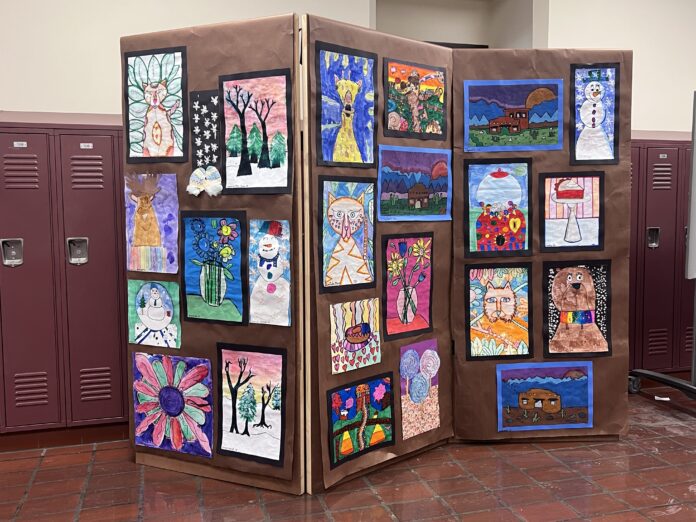
The Toledo Public Schools Fine Arts Festival is a vibrant celebration that aims to showcase the incredible talent and creativity of students within the district. It highlights the diverse ways in which students express themselves through the fine arts, including painting, ceramics, photography, dance and musical performances.
Each TPS high school partnered with an elementary school to host an event as a part of the Toledo Public Schools Fine Arts Festival. These events are all-inclusive and are dedicated to the arts.
The first event was at Scott Learning Community. Here, students work was displayed for the community to enjoy.
Here is the remaining schedule for the Toledo Public Schools Fine Arts Festival events:
Waite Learning Community: March 13, 5–8pm
Bowsher Learning Community: March 15, 9am-12pm.
Start Learning Community: March 19, 8-8pm
Jones Leadership Academy of Business: March 19, 5-7pm
Woodward Learning Community: March 20, 5-8pm
Rogers Learning Community: March 21, 5:30-7:30pm


A Parent’s Guide to Career-Technical Education: Commonly Asked Questions, Answered
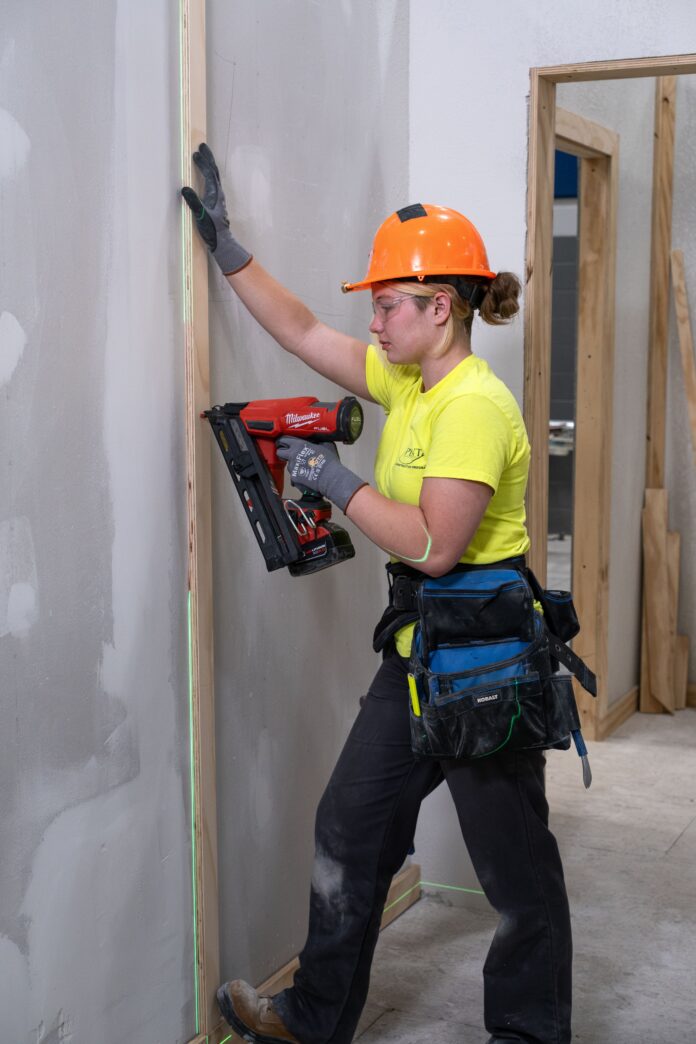
Career-technical education (CTE) gives students the opportunity to begin job-specific training while still in high school. In the state of Ohio, it is an option for all students.
CTE can be for anyone, added Edward Ewers, the superintendent of Penta Career Center.

“There’s not a particular characteristic that parents can look for,” he said. “They’re looking for a way to help their student be successful.”
If you want to learn how to engage and support your child in CTE, this guide is your answer.
How do I enroll my child in CTE?
The first step to enrolling your child in CTE is finding out what delivery model your child’s school district offers.
The state of Ohio has three approaches to CTE delivery:
- Compact Partner Districts: Districts collaborate to offer programming to all students.
- Comprehensive Schools: CTE classes are integrated into course offerings.
- Joint Vocational School Districts: Students attend full days (or partial) days dedicated to career education.
Toledo Public Schools (TPS) is a Comprehensive School — meaning a high school location within the district offers a specific program. Regardless of which school the student attends, they have the option to join any Career Technology path they want.

“If a student is at Bowser High School, and they want to take auto collision, all they would need to do is talk with their counselor and they would sign them up on the schedule to take auto collision,” said Cassandra Seimet, a career technology director for TPS.
At TPS, juniors are responsible for getting to their CTE location in the morning and are transported back to their usual school midday. Seniors are the opposite. They are taken from their usual high school to their CTE location and are responsible for getting home at the end of the day.
On the other hand, Penta Career Center is formed from a Joint Vocational School district, meaning if a student attends one of its 16 member schools, they qualify for Penta.
RELATED: Fun Toledo Area After-School Programs to Boost Social-Emotional Skills
“Our students graduate from their member school, but while they’re here with us, they earn industry recognized credentials,” said Ewers. “We’ve also created options for kids outside of the regular school day through our regional programs and our satellite programs.”
While CTE programs are typically designed for juniors and seniors. This is not always the case. Penta Career Center has a sophomore exploratory program, and some TPS programs can span up to four years.
Contact your child’s high school to figure out what CTE options they offer.
Which CTE program is right for my child?
CTE programs fall into one of 16 career clusters defined by the United States Department of Labor. These clusters group career pathways that require similar skills. For example, the occupations of software developer, computer support specialist and database administrator all fall within the information technology career cluster.
To explore which career clusters appeal to them, children can take a skills and interest assessment. TPS administers these surveys to seventh and eighth graders in preparation for high school.
“Parents look at those assessments when they come home to really help guide those students,” Seimet said.
Penta Career Center offers career assessment services through its member schools. Plus, other surveys can be found online through OhioMeansJobs and the Occupational Information Network.
While career assessments are not required for CTE enrollment, they can help students choose a program. Once a child’s skills and interests are identified, the associated career clusters and CTE programs can be explored, Seimet said.
“If I look at Agriculture, Food and Natural Resources and I look under animal science, it’ll talk about the skills, ability, personality, tools and technology, and education that are associated with that field,” she said about TPS’s own Career Technology webpage. “So, a kid in animal science might need critical thinking, oral comprehension, active listening, oral expression and service-oriented skills.”
TPS offers more than 30 programs throughout its district. A list of programs and locations can be found on the Career Technology webpage. Penta Career Center has about 30 programs as well, in addition to its Sophomore Exploratory program.
How do I support my child pursing CTE?
Ewers said it is important for parents to realize today’s students are thinking about education in a new way. Encouraging your child’s decision to pursue CTE is the first step to supporting your child.
“Recognizing that students are looking for something a little bit different, they’re looking for different individual opportunities, flexibility, entrepreneurship,” Ewers said. “Those are all things we hear from our students.”
Additionally, parents should realize the future options presented by CTE are endless.
“This is not an ‘either/or’ kind of proposition. This is an ‘all of the above’ proposition,” he added.
Students enrolled in CTE can gain work experience, industry credentials and college credit.
“These are things that regardless of what option, regardless of what pathway, regardless of how students see themselves being successful in their future career,” Ewers said, “tech education can help lead them there.”