Home Blog Page 60

Local Band Director Wins Toledo Symphony’s Outstanding Music Educator Award

Matt Shirey - OMEYA Winner
Matt Shirey, Northwood Local Schools band director and the recipient of the 2025 Outstanding Music Educator Award.

Matthew Shirey, Northwood Local Schools band director, was recently recognized by the Toledo Symphony (TSO) as the recipient of the 2025 Outstanding Music Educator Award, marking the sixth consecutive year that the TSO has honored outstanding music educators teaching in public and private schools across the Northwest Ohio and Southeast Michigan regions.

“When you come to the symphony, the incredible musicians you see on stage have all had very special mentors,” said Alain Trudel, music director of Toldeo Symphony Orchestra. “Often, as it was in my case, that person is our high school music teacher. The dedication of our finalists is an example and inspiration for all to follow as we foster the next generation of musicians and importantly, humans.”

The Toledo Symphony’s Outstanding Music Educator Award highlights the important impact music teachers have on their students.


RELATED: Why Music Education Should Be a Priority for Every Child


“Matt is an exceptional music educator whose passion for music is evident. His commitment to his students’ musical growth sets him apart as an educator. Matt’s dedication goes beyond basic teaching duties. He consistently provides extra support and encouragement to help his students develop their musical talents. I cannot think of a more deserving recipient of this award,” said Tracey Petteys, principal of Northwood High School.

Matthew Shirey has been teaching for 12 years and has been the Director of Bands for Northwood Local Schools for seven. Additionally, he is the chair for the OMEA D1 High School Honor Band, the OMEA D1 Junior High S&E East location, and directs the BGSU Academy Band.

“I am beyond humbled to accept the 2025 Toledo Symphony Outstanding Music Educator of the Year Award! Thank you to my family, friends, mentors, colleagues, students and the community for your outstanding support,” Shirey said. “I wouldn’t be where I am today without all of you. I would also like to take a moment to acknowledge the other finalists, Nathan Heath and Cecilia Johnson, as well as the many other dedicated and talented music educators in Northwest Ohio. We have so many vibrant and strong music programs in our area because of their efforts. Thank you again from the bottom of my heart!”

More information about Toledo Symphony’s Outstanding Music Educator Award or educational outreach opportunities for schools can be found at artstoledo.com/omeya, or contact Ellie Lee at [email protected].

Indoor Pools Roundup: The Best Toledo Area Spots

While the weather might be starting to show some glimpses of spring and summer, it’s still a bit too cold for the outdoor public pools. But hitting the pool doesn’t have to end just because the weather is cold. Toledo has some great indoor swimming options!


The University of Toledo Aquatic Center

2800 East Rocket Dr.
419-530-3719

The University of Toledo’s Aquatic Center offers three pools for both exercise and fun. The lap pool is open regularly, with specific hours and the number of lanes available changing daily. The latest updates can be found on their website. 

The UT pool is a great option for those wanting to stay in shape during the winter, or for those just wanting to practice their swimming skills. This season the leisure pool is closed, but if you’re interested in a party or celebration, the pool can be rented out. The application for renting out the pool is located on the website. 

The Aquatic Center also has a dive pool, but that pool is also closed at this time. For those interested in swim instruction, the center offers swim classes to children as young as six months old, as well as to adults with all ability levels. 


YMCA of Greater Toledo

Various locations

West Toledo YMCA pool

The YMCA of Greater Toledo has multiple branches with aquatic centers, including Eastern Community, Fort Meigs, West Toledo and Wolf Creek. Each location offers swim lessons for preschool-aged kids, school-aged kids, and teens/adults. Additionally, parent/child swim lessons are offered where parents can introduce their 6-36 month-olds to swimming. Private lessons are also available at all four locations. 

Wolf Creek YMCA pool

In addition to swim lessons, the YMCA has water fitness classes for individuals of all ages. They are led by YMCA-certified water fitness instructors. For those interested in more competitive water activities, the YMCA has a swim team for swimmers 5-21 years old and competes in the Great Lakes YMCA Zone Conference, which includes YMCA teams and USA teams in Northwest Ohio. 

Eastern Community YMCA pool
Fort Meigs YMCA pool

Swim teams are offered at the Fort Meigs YMCA and Wolf Creek YMCA, as well as the Francis Family and Frank and Shirley Dick Family YMCA (both located in Michigan). Prices at the YMCA vary depending on the activity and age, but the aquatic activities are offered to members and non-members alike. Non-members typically will pay a higher fee for participation.


SafeSplash Swim School

Various locations

With multiple time slots for swim lessons throughout the whole week, SafeSplash Swim School is a great option for burgeoning swimmers. The school focuses on water safety with an approach that emphasizes proper swimming technique, but with a healthy dose of fun.

All instructors are SafeSplash Certified and class sizes are small, allowing for more individualized attention. All age and ability levels are welcome, and there are specific classes to fit all needs. Private lessons are also available for those interested. Additionally, swim lessons for all abilities are offered, during which a team of certified instructors work with students with specialized needs to help them learn water safety skills and how to swim. It is encouraged, for these swim lessons, to meet with the instructors prior to the lessons in order for goals to be discussed so that a teaching plan can be developed to fit the each student’s needs. 


Great Wolf Lodge

4600 Milan Rd., Sandusky
800-641-9653

Looking for a fun family outing? Great Wolf Lodge is a great place for a weekend or day trip. This indoor water park is only about an hour or two drive from the Toledo area, and it is a great way to spend a cold winter day. At a constant 84 degrees, this park will make it feel like summer has hit already. 

The park includes water slides, a lazy river, a basketball hoop, water playgrounds for toddlers and young children, a water fort treehouse and an adults only hot tub. The water park is attached to a hotel, so you can stay for the weekend, or since Great Wolf Lodge is so close to Toledo, you can also buy day passes which are good for a full day or half the day. 

Passes are free for children two and under, and life jackets are also available free of charge. Costs for day passes vary depending on which day of the week you’re going. 


Kalahari

7000 Kalahari Dr., Sandusky
419-433-7200

A great way to spend a winter day is taking a day-trip or weekend trip to an indoor waterpark. Kalahari is a quick drive from Toledo, but a visit there will seem like you’re on vacation in a whole new location. This hotel and waterpark offers a lot of family fun including slides, rides, a lazy river, a surfing simulator, indoor spas, a basketball pool and so much more. If you choose to stay for the weekend, you can also enjoy all the additional attractions other than the waterpark, like a game room, a safari adventures animal park, laser tag, escape rooms, mini-golf, virtual reality and a 7-D motion theater. Prices vary depending on when you choose to go and how long you stay. 

Anxiety Disorders in Children: What Parents Need to Know

kid with head on bookshelf

My daughter was nine years old when she had her first panic attack. She was trembling, out of breath and her heart pounded. These symptoms persisted for almost ten minutes and nothing I said or did could help her calm down. Because her symptoms occurred before her performance in a class play, though, I dismissed it as stage fright.

When she suffered the same symptoms a short time later, this time before a party at her school, I realized something was wrong. Especially when she told me what triggered her intense physical symptoms: she could not stop worrying that something bad would happen to me as I drove to her class party.

Having some anxiety is a normal part of life for most kids. After all, what child doesn’t feel anxious before taking a test or making a presentation in front of the class?

Some children, however, feel worry or fear constantly. According to the Mayo Clinic, anxiety disorders involve “intense, excessive and persistent worry and fear about everyday situations.” Further, such feelings of anxiety and panic “interfere with daily activities, are difficult to control, are out of proportion to the actual danger and can last a long time.”

The latest US data from the CDC reports 10% of children ages 3-17 have current, diagnosed anxiety. That’s millions of kids!

My daughter was diagnosed with Generalized Anxiety Disorder after we visited her pediatrician. Now she sees a therapist and takes medication to treat her anxiety. Through her experience, I have learned so much about anxiety disorders in children. I’m sharing what I’ve learned below in hopes of helping other parents and caregivers.


RELATED: Seasonal Affective Disorder in Children and Teens


Types of anxiety disorders in children

There are several types of anxiety disorders, related to what the worries or fears are about, or how children handle them. According to WebMD, the most common anxiety disorders in kids include the following:

  • Generalized Anxiety Disorder (GAD) is constant worrying about a lot of different things out of proportion to the actual circumstance.

  • Panic disorders are characterized by sudden, intense fear that leaves a child feeling physically overwhelmed and out of control, even when there is no danger.

  • Separation anxiety is the fear that something bad will happen to a parent or loved one when the child is separated from them. Some separation anxiety is a normal developmental phase for babies and toddlers, but not necessarily for older children.

  • Social anxiety is extreme anxiety and fear of being embarrassed in social situations, like talking with classmates or answering a question in class. It is more than simple shyness.

Symptoms

The most typical symptoms of anxiety disorders in children, per the CDC and WebMD, include:

  • Showing anxiety or expressing worry or fear on most days, for weeks at a time.

  • Trouble sleeping which may manifest in your child seeming sleepy or tired during the day.

  • Difficulty concentrating or thinking about a problem over and over again.

  • Unusually irritable and angry.

  • Headaches.

  • Stomachaches.

  • Avoiding school or friends because worries are overwhelming.

  • Trouble calming down after leaving a parent or loved one, or extreme homesickness.

How to help

The CDC recommends talking to your healthcare provider as a first step. This is what we did in my daughter’s case when we visited her pediatrician. A primary care doctor or mental health specialist can evaluate your child and ensure that your child’s symptoms are caused by anxiety and not another condition, such as trauma.

Cognitive behavioral therapy (CBT) and medication are the most accepted treatments to help children overcome an anxiety disorder according to the Anxiety Disorders Association of America.

CBT teaches your child skills and tools to help them feel less anxious and fearful. Through CBT, for instance, my daughter learned to utilize tools like a “worry box”. She’d write down her worry on a piece of paper, then stuff the paper in a box. It was a tangible way to release her fear.

Prescription medication may also help. Parents should work closely with a health care provider to manage the use of medication and monitor your child’s response.

As well, parents should let their children know they are available to listen whenever their children are ready to talk. Many kids with anxiety believe their parents won’t understand and thus try to hide their fears. That’s why being ready to listen is so important.

My daughter also joined an anxiety disorder support group at her school, allowing her to connect with peers that understand what she’s going through. As well, I have found support talking to other parents of children with anxiety disorders. So many have been supportive and understanding, making me feel less alone.

Anxiety is a treatable, manageable condition. As parents, we can help kids with anxiety disorders receive the tools, support and love they need to live their healthiest lives possible.

Katy M. Clark is a writer and mom of two who embraces her imperfections on her blog Experienced Bad Mom.

Random Drug Testing Common in Area Schools

baseball and glove on diamond
Local parents have conflicting opinions on the ethics of random drug testing of student athletes and student's involved with extracurriculars.

As your kids are preparing to start high school, there is a plethora of decisions they have to make. And if they’re planning to get into sports, clubs, band and other extracurricular activities, there is a decision you are making too – to allow them to be drug tested. It’s a policy that is regularly debated and often confusing.

Technically, random drug testing is not permitted in public schools, according to the Fourth Amendment to the U.S. Constitution, but has been used since the 1980s. The U.S. Supreme Court ruled that the justification for such a “search and seizure” must be obvious, compelling and related to a sound and constitutionally acceptable justification.

Drug testing pros and cons

The National Federation of State High School Associations (NFHS) explains that those in favor of in-school random drug testing believe that it promotes a safe and drug-free environment, and that schools can more easily identify students at risk and provide early intervention. Those opposed to these programs are concerned about privacy and claim that a drug test is invasive and encroaches upon students’ personal lives.

A recent discussion on the Sylvania Parents/Taxpayers Facebook page reflected similar pros and cons:

“It’s none of the school’s business. They are not the parents and are overstepping.”

“I always like this because it gives kids an out if they are being pressured to experiment.”

“Random testing is a good thing. It should include all students as well as faculty and employees.”

“This may save kids’ lives.”


RELATED: Seasonal Affective Disorder in Children and Teens


Non-punitive testing policy in area schools

Sylvania Schools’ Random Student Drug Testing Policy was adopted in 2018 and was based on research with other districts in the area that had already implemented similar policies, according to Tim Zieroff, Assistant Superintendent.

“The policy is not intended to be punitive, but rather to connect students with professional assistance when needed,” he said. “The intent is to provide students with a way to opt out of engaging in alcohol or drug abuse.”

Sylvania’s policy covers students in grades 9–12 who participate in athletics, extracurricular activities and co-curricular activities or performance assignments (such as club members, student drivers, school dance attendees), along with students who, with consent from their parents, volunteer to be tested.

The Sylvania policy states that it is non punitive with regard to academics, and no student will be suspended or expelled from school or penalized academically. And results of the tests are not to be documented in the student’s academic records.

Random drug testing programs are also in place throughout the region, including in Toledo Public Schools, Maumee City Schools, Perrysburg Schools, Anthony Wayne Local Schools and Springfield High School, among others. Most programs cover high school students only, but some do include 7th and 8th grade students.

Students and their parents or legal guardians must sign a consent agreement in order to participate in any of these programs; most agreements are signed prior to the school year. Parents should review any policies to understand what student activities are included in the testing programs. And while students can opt out of the testing program, it may affect their eligibility for the programs in which they’re involved.

“Overall, the policy has been well received,” said Sylvania’s Zieroff. “High school students must opt-in at the beginning of the year if they wish to participate in the covered activities. Over the years, very few students have chosen not to sign the consent form.”

What’s on Our Bookshelf this March

"Say Cheese!: A Lift-the-Flap Book of Farm Photos" by Sophie Aggett
Downpour: Splish! Splash! Ker-Splash!" by Yoko Ohnari
Downpour: Splish! Splash! Ker-Splash!” by Yoko Ohnari

Downpour: Splish! Splash! Ker-Splash!

By Yoko Ohnari

Young readers will enjoy following along with a boy as he celebrates a refreshing storm on a hot summer day. This multisensory story brings to life the sights, sounds and feelings of rain. A perfect way to introduce mindfulness to kids through the lens of nature.  Ages 0-5.

"Say Cheese!: A Lift-the-Flap Book of Farm Photos" by Sophie Aggett
“Say Cheese!: A Lift-the-Flap Book of Farm Photos” by Sophie Aggett

Say Cheese!: A Lift-the-Flap Book of Farm Photos

By Sophie Aggett

Every time the barnyard animals get together to take a photo, someone always gets in the way! This hilarious lift-the-flap book will have kiddos on the edge of their seats to see if the animals ever get their perfect picture. Ages 0-3.


RELATED: What’s on Our Bookshelf this February


"Alycat and the Copycat" by Alysson Foti Bourque
“Alycat and the Copycat” by Alysson Foti Bourque

Alycat and the Copycat

By Alysson Foti Bourque

Alycat is excited that it’s Science Fair Day, but her classmate is copying almost everything about her, from the shirt she’s wearing to the project she’s doing. Soon Alycat learns that two similar things can be better when they work together. An adorable picture book with social lessons and STEM themes. Ages 3-8.

"The Ghosts of Bitterfly Bay" by Mary Averling
“The Ghosts of Bitterfly Bay” by Mary Averling

The Ghosts of Bitterfly Bay

By Mary Averling

A ghost teams up with the girl she has been haunting to defeat monsters and save a little boy. A spooky middle grade horror filled with magical happenings that teaches kids the importance of facing their fears. Ages 8-12.

"Mermaids Are the Worst!" by Alex Willan
“Mermaids Are the Worst!” by Alex Willan

Mermaids Are the Worst!

By Alex Willan

Goblin hasn’t taken a vacation in centuries, and when he finally gets to the beach, his trip is interrupted by the 105th Annual Mermaid Tournament of Awesomeness. Told in cranky Goblin’s first-person narration, everyone will be rooting for these two very different creatures to be best friends. Ages 8-12.

This collection of books was gathered by freelance writer Lori Orlinsky, an award-winning, bestselling children’s book author and industry expert who lives and breathes children’s books.

Glass City Broomball Puts the Fun on Ice For High School Girls in Northwest Ohio

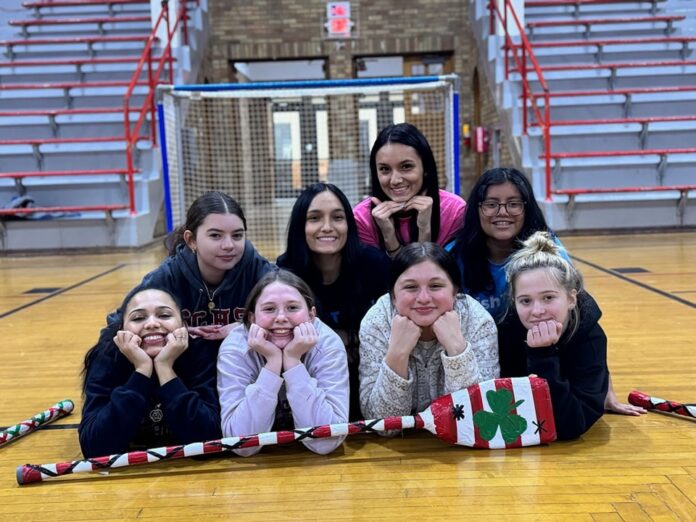
Broomball team
Glass City Broomball hosts 18 teams of local high school girls for its 2024-2025 season.

Broomball is making a clean sweep in Toledo for its fourth season , thanks to Glass City Broomball League.

What is broomball?

“Some call it a cross between hockey and lacrosse,” league manager Monica Steele said. “Broomball is a sport played on ice with either broomball shoes or tennis shoes. We play with a wooden handled broom taped with duct tape. We play with ten girls on the ice per team on a half sheet of ice and a hollow 5.5 inch hard ball.”

A sport for everyone

Broomball game
For nearly four years, Glass City Broomball has been offering a chance for nearly 200 high school girls from Northwest Ohio to compete in the sport.

Steele has been involved in the sport for over 30 years, including 25 years of coaching. She continues to play in adult leagues and is passionate about creating a positive experience for her players.

“The GCB league caters to all girls in 8th to 12th grade in our area. We have girls that play sports to girls that have never played a sport. It is truly a sport for everyone. Thanks to fundraisers, donations and volunteer events, we have been able to not charge any playing fees for all four seasons so far.”

“We want anyone who wants to play to be able to play,” Steele said.

The season begins in November, with seven weeks of games and a tournament in April. The girls play part of the season at Toledo Ice House, and part of the season at Tam O’ Shanter.

This year, GCB has nearly 200 girls from local high schools participating. That number continues to grow every year.

“In the 2024-2025 season, we have 18 teams. This is no small task. In our first season, we had just 8 teams,” Steele said.

Steele said that they currently have over 70 people that help run the league. This includes board members, coaches, referees and volunteers.

“We always welcome anyone that is interested in volunteering or coaching. We have sign ups on our website,” she said.

Adults welcome!

In addition to the youth league, GCB also offers an adult co-ed season.

“We have so many people that love this sport. Maybe they are past players or significant others that have been brought along. So many have reached out to have a short organized season, and we’re able to offer it,” Steele said.” We play 6 on 6. Timeline varies due to ice availability, but it’s after the girls’ season and lasts about six weeks.”

At the start of every fall season, GCB hosts a Try It Night for anyone interested in learning more about the sport.

“If anyone is interested in still playing this season, we have teams that will still take more players,” she said. 

GCB will host a basket raffle in March, and will gladly accept donations from area businesses and individuals for this fundraiser.

For more information on youth and co-ed adult leagues, visit the website: glasscitybroomball.org.