My journey began one year after my husband and I got married and decided to start our family. My first pregnancy ended in a miscarriage at 8 weeks. I never thought about the possibility of facing infertility until a series of tests led us down the path to in vitro fertilization (IVF). We experienced years of multiple procedures, failed cycles, more miscarriages, and no explanation.
After trying everything we could, our physician advised utilizing the help of a gestational carrier, someone who would carry our babies for us. This was the best decision I ever made because I now have my three beautiful boys, and at the same time, it was the hardest thing I’ve ever done because I had to be apart from them each time.
The unseen struggles of an “invisible” mother
It was difficult to find resources explaining how to navigate this alternative path to parenthood. It was also difficult explaining the process to others. I was confused about my role as a mom. I felt ashamed that my body failed me. I grieved not being able to carry my children. These feelings amplified many times throughout this process, such as during medical appointments when our doctor reflexively referred to my carrier as “mom” during an ultrasound while I physically stood next to her, or when my husband and I held our newborn twins for their first hours of life in a cold and dark waiting room because a hospital room was not ready for us right after birth and we had nowhere else to go. I was a spectator sitting on the sideline hoping someone would acknowledge my perspective. I felt fearful that someone would make an insensitive comment or ask a personal question that would have the power to pierce my heart like a knife. This fear persists years later, and I oftentimes find myself at the center of uncomfortable conversations about pregnancy and family planning. The lack of education is surprising, and I recognize the opportunity to teach others.
A realization that changed everything
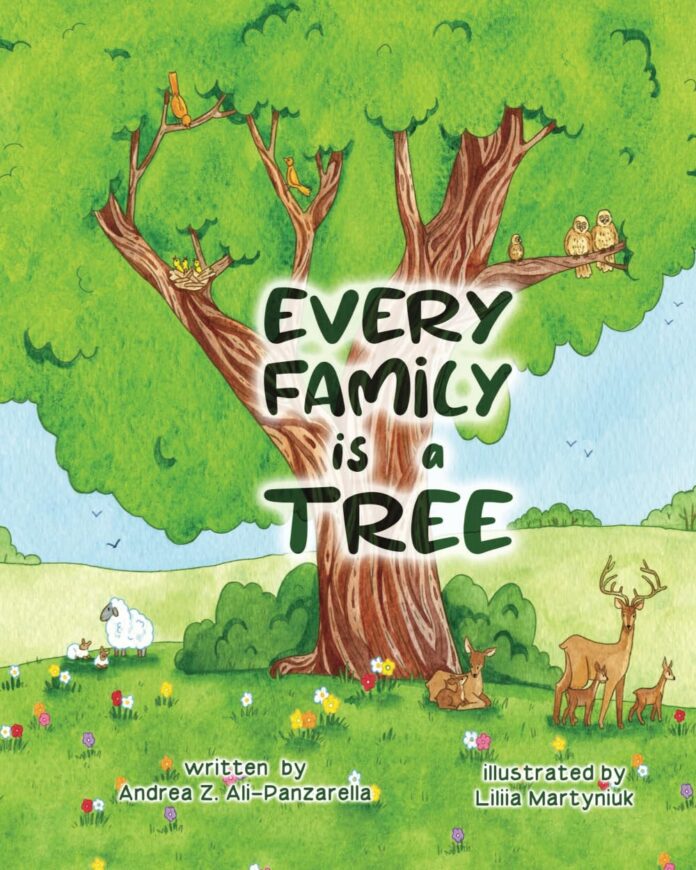
My husband and I made it a priority to read to our sons soon after they were born. We also wanted to be intentional in helping them understand our family’s story and avoid passing along the shame that existed for so many years. We read many books about kindness, love, and empathy, but when I noticed a lack of children’s books that represented our family, I decided to change that. As a pediatrician and child abuse pediatrician, I know how important it is for children to feel accepted.
Family diversity is more common than it has been in the past, yet there is limited awareness leading to a persistent misunderstanding about the variety of ways families come to be. According to the World Health Organization (WHO), 1 in 6 adults worldwide are impacted by infertility and seek assistance; some can only do so if it is accessible and affordable. This may include intrauterine insemination (IUI), in-vitro fertilization (IVF), egg donor, sperm donor, embryo donor, traditional surrogacy, and gestational surrogacy. With or without assistance, some families are childless, either by choice or circumstance.
Child loss may occur from miscarriage, stillbirth, or during childhood. Some families choose to foster a child. Others may decide to adopt a child. Most children are a part of a non-traditional family with same-sex parents, single parents, stepparents, or grandparents.
Reading to a child at an early age promotes literacy. Portraying characters that reflect a child builds confidence. A story may increase a child’s sense of belonging and expand their understanding of the world around them.
Through this journey, I’ve learned a few important things:
- Representation matters more than we think.Seeing families that reflect a child’s own experience—whether in books, media, or community—helps build self-esteem and a sense of belonging.
- Family stories deserve to be celebrated, not hidden.Shame has no place in the way we talk about how families come to be, whether through IVF, surrogacy, adoption, fostering, or other paths.
- Education is key to empathy.When we teach children early that families come in all forms, we help create a more accepting, inclusive world for everyone.
- Reading is a powerful bridge.A simple story can open conversations, encourage compassion, and make a child feel proud of who they are and where they come from.
My hope is that our story—and the book it inspired—can plant seeds of understanding and acceptance in the next generation. Because family is not just about biology. It’s about love, intention, and the infinite ways hearts can be woven together.
RELATED: Signs of Postpartum Anxiety and What to Do
And maybe the next step is even bigger: imagining a world where all children, no matter how their family came to be, grow up knowing there is nothing more beautiful than belonging exactly where they are.
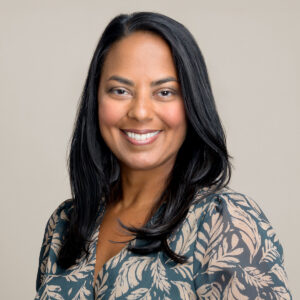
Andrea Ali-Panzarella, a pediatrician and proud mom of three beautiful boys, was inspired to write Every Family is a Tree after a long journey with infertility and loss. She is also a pediatrician, specializing in child abuse, who has cared for children from all walks of life. Andrea and her husband welcomed their sons with the help of compassionate physicians and caring gestational carriers. As they read to their children each night, she noticed the limited number of books that represented their unique family story and realized the missed opportunities to empower her children to know their worth. Her hope with this book is that all people, especially children, will feel seen and accepted in this world no matter what their story is.