Home Blog Page 37

Heather Frye Helps NW Ohio Mamas Become Fit

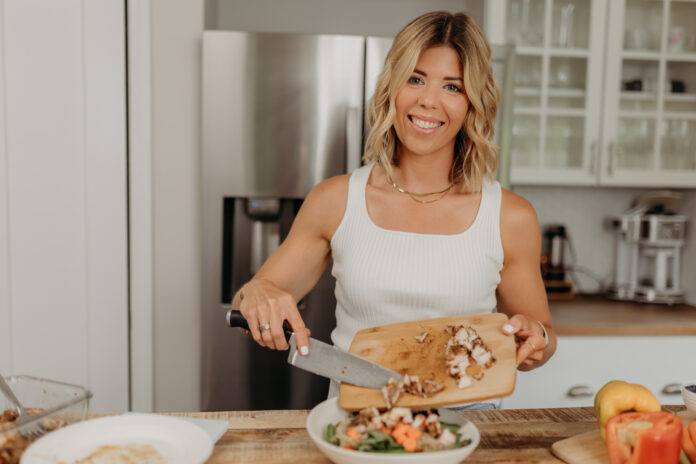
Heather Frye helps local moms achieve health and fitness goals.

Heather Frye knows the challenges of staying healthy and fit during the years of early motherhood. As a mom of three, she knows that daily routines and demands of her schedule can often put fitness goals on the back burner. Frye began Fit Mamas in 2020 to help moms on the path to a healthier lifestyle.

“I’m a big believer that any move- ment is good movement,” Frye ex- plains, adding, “Building daily habits, like walking, playing with your kids or even parking further away is a great place to start. But strength training is truly my passion. Too many women are missing out on the benefits of lifting weights and I strive to educate moms on just how important it is, along with how to lift effectively and safely.”

From a personal passion to a profession

Frye’s personal journey with fitness began after high school. “I didn’t just gain the freshman 15. It was closer to the freshman 50!” she admits. “What began as my personal pursuit of better health quickly grew into a passion for helping others. Over the years, my jour- ney has evolved through three pregnan- cies, countless ups and downs and a lot of lessons along the way.”

Frye shares those lessons with her clients, who often are unsure where to begin. As a certified pre/postnatal fitness specialist and a certified nutrition coach, she shares her knowledge and inspires other mothers to pursue and achieve greater health and wellness. “I quickly realized just how important education is in the fitness space, especially for moms navigating pregnancy, postpartum and motherhood. There’s so much misin- formation out there, and it often leaves women feeling confused, overwhelmed and stuck. My mission is to cut through the noise and to provide clear, trustworthy guidance, that truly helps.”

Creating healthy moms and communities

Fit Mamas provides a personalized, supportive experience that encompasses fitness, nutrition and strength training while building sustainable habits. “My goal is to empower moms with the tools and confidence to reach their goals while balancing the demands of motherhood and everyday life.” she said, and added, “This service helps by creating a space where moms feel supported, educated and empowered in their health and fit- ness journeys. So often, women are left to figure things out on their own, especially during pregnancy, postpartum and the busy early seasons of motherhood. By providing clear guidance, practical tools and a supportive community, I’m help- ing women build strength, confidence and healthier habits that create a ripple that touches their families and the com- munity as a whole.”

Heather Frye’s family includes husband, Justin, and children Lana (10), Jameson (8) and Wrenlynn (4).

Get to Know Heather Frye

Tell us about yourself!

My husband, Justin, and I have been married for 11 years, but together for 20. We were high school sweethearts! We have three kids: Lana (10), Jameson (8), and Wrenlynn (4). We also have an 8 month old golden retriever, who definitely feels like our most challenging ‘child’.

Where did you grow up?

I’m originally from Port Clinton, but we moved to Liberty Center when I was 7. After high school, my husband and I spent 10 years living in Columbus. Once our son was born, we decided to return to our hometown and put down roots where we were raised.

Dream vacation?

Bora Bora to stay in an overwater bungalow!

What music is on your playlist when you workout?

I actually don’t listen to anything when I lift, but when I run, I love having a playlist going. It’s usually a mix of rap, rock, hip hop and Christian music.

Pick your favorite: podcasts, books or movies?

Podcasts for sure!

Any hobbies?

Running, drinking coffee and going out to eat.

What do you like to do on a day off?

Honestly, like most moms, a good chunk of my ‘day off’ is spent catching up on cleaning and chores around the house.

What do you like to do as a family?

With our older two being involved in lots of sports, you’ll usually find us at an athletic field most evenings. In our free time, we love being outside, taking the boat out, grabbing ice cream or just relaxing at home together.

Favorite hidden gem in Northwest Ohio?

The Wheelhouse at Oak Openings!

Any quotes or mottos that inspire you?

“Strong mind, strong body.” When we strengthen our mind, our body follows.

Advice for other mompreneurs who are thinking of starting their own business?

Figure out your offer and master it first! Don’t try to do everything at once. Be consistent with your message, stay true to who you are and remember that your authenticity is what sets you apart.


ProMedica Ebeid Center to Offer Holiday Meal Kit Distribution for Toledo Families

The ProMedica Ebeid Center is helping local families celebrate the holiday season by offering a Holiday Meal Kit Distribution. The initiative provides community members with a complete, prepackaged meal to enjoy at home, including a frozen chicken or turkey, fresh produce, classic side dishes and a dessert. This program is designed to make holiday celebrations easier and more accessible for families in need.

Those interested in receiving a meal kit must pre-order in advance. Registration is open now, and all forms must be submitted by Friday, November 21. To sign up online, visit the Holiday Meal Kit Sign-up Form.


RELATED: Local Food Assistance: Where to Offer or Receive Help


Alternatively, residents can register in person at the Ebeid Center or by phone at 567-585-0112. Early registration is encouraged, as quantities are limited and available on a first-come, first-served basis.

Meal kit distribution will take place from Monday, November 24 through Wednesday, November 26, between 10 a.m. and 6:30 p.m. each day. Pick-up will be located at the ProMedica Ebeid Center, 1806 Madison Avenue, Toledo, Ohio.

This program is open to residents of Toledo’s 43604 and 43607 ZIP codes only. Participants must bring proof of household address at the time of pick-up, and the name on the registration must match the individual collecting the kit. Each household is eligible for one meal kit.

Dive into Wonder: Call of the Dolphins Now Showing at the Imagination Station

Downtown Toledo’s Imagination Station invites visitors to embark on a breathtaking underwater adventure with “Call of the Dolphins,” now showing in their theater. This captivating film explores the world of wild dolphins—creatures celebrated for their intelligence, complex social structures and playful nature—through stunning visuals and heartwarming stories.

Narrated by Academy Award® winner Mary Steenburgen, “Call of the Dolphins” takes audiences on an unforgettable journey into the lives of these extraordinary ocean dwellers. The film reveals the profound bond that connects humans and dolphins, a relationship built on centuries of curiosity, cooperation and compassion.

Viewers will meet passionate researchers dedicated to uncovering the mysteries of dolphin behavior, as well as a team from the IFAW Dolphin Rescue Center, who work tirelessly to give stranded dolphins a second chance at life. Their inspiring stories shed light on the resilience and intelligence of these marine mammals—and the deep sense of kinship they evoke in us.

Whether you’re a lifelong ocean enthusiast or simply looking for an awe-inspiring experience for the whole family, “Call of the Dolphins” is a must-see. The film promises to leave audiences with a renewed appreciation for the beauty, intelligence and emotional depth of these remarkable animals.

Showtimes

Tuesday – Saturday: 10:15am, 11:45am, 1:15pm, 2:45pm, 4:15pm
Sunday: 1:15pm, 2:45pm, 4:15pm

Health Literacy for Kids, Families

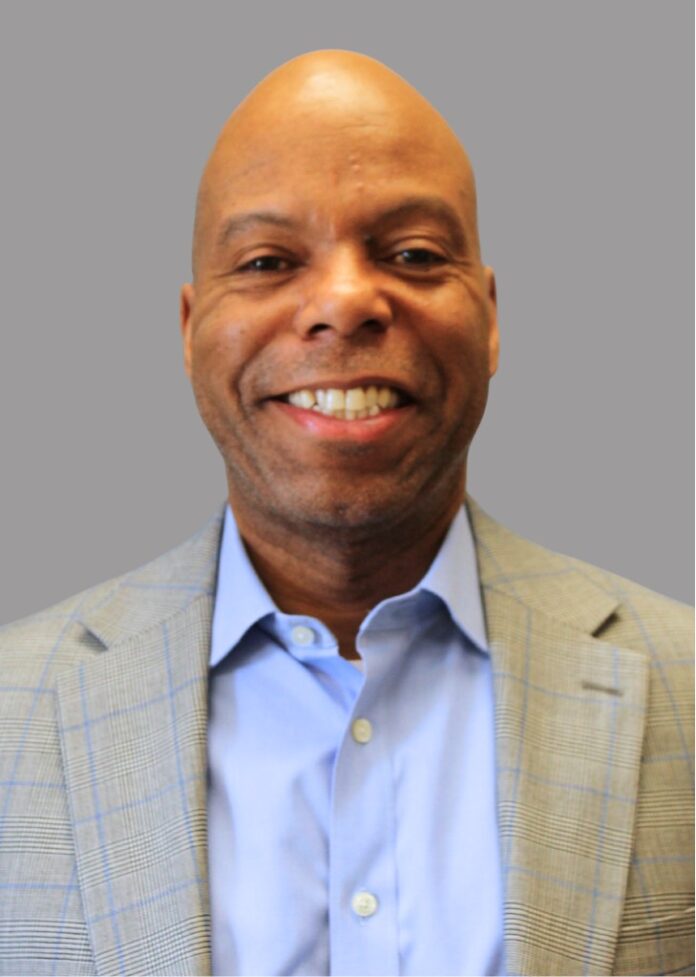
Dr. Lawrence Monger MD, Medical Director of the Toledo-Lucas County Health Department, provides health literacy.

With the rise of technology and medical advances in healthcare, health literacy—the ability to obtain, process and understand basic health information and services needed to make appropriate health decisions—is more important than ever.

Children and parents need health literacy to make informed decisions regarding their health. Dr. Lawrence Monger MD, medical director of the Toledo-Lucas County Health Department, provides this insight regarding why health literacy is so important for parents and children.

Why Health Literacy Matters

Health literacy is important for several reasons:

First, everyone needs to be able to find reliable health information, understand it and use it to their advantage.

Second, it can help clarify confusing health information.

Third, it can help prevent health complications, save money and help manage conditions.

When patients understand their health, they can make informed decisions. For example, if a patient needs to choose between several different medications for their blood pressure, it may be helpful to seek advice from a cardiologist who can explain how each medication works, possible side effects and the best choices for each individual’s lifestyle.

Health literacy also plays a large role in prevention. Parents who understand nutrition labels can make healthier choices for their children, setting up healthy habits that last into adulthood. Families who know how to read medication labels and instructions correctly can avoid dangerous errors.

Challenges families face

Challenges for families concerning health literacy include understanding medical jargon, navigating large, confusing health systems and having limited access to health resources. Access to pricey medications and medical equipment are also barriers patients may encounter.

Dr. Monger states one of the most common challenges for families is not having access to a primary care physician (PCP). Having a primary care doctor is important as they can answer questions, help patients navigate the complexity of their care and help to interpret medical information.

Another large hurdle to reach health literacy includes digital misinformation. In this era when everything is searchable on the internet, it’s important to know where to source correct and applicable health information. Dr. Monger emphasizes that patients should bring a list of questions and concerns to their appointments with primary caregivers to ensure that patients receive information to make informed decisions.

Building health literacy in kids and parents

Parents can help their children learn and understand health literacy by setting a great example. This includes attending health prevention appointments, such as annual physicals, and getting cleanings done at the dentist.

Taking your child to appointments is a great way to educate them about what to expect. Include children in their own health decisions, even in small tasks such as toothbrush color or what toothpaste flavor. This teaches them, from a young age, that their health matters and that they have choices when it comes to their health. Involving them in making these choices can also satisfy their curiosity about appointments and things like vaccinations, which can cause apprehension.

Local insights

The Toledo-Lucas County Health Department works to help the community improve health literacy in many ways. Dr. Monger reports that placing Nurse Practitioners (NP) in most area school systems, has improved health literacy in children.

The Health Department also holds Healthy Youth and Family Coalition Meetings quarterly to discuss community objectives such as healthy eating and active living. Focusing on the importance of health equity ensures that the community has access to “affordable, inclusive, and quality infrastructure and services that, despite historical and contemporary injustices, allow [individuals] to reach their full health potential.” These meetings also provide resources for seniors, information about vaccinations, overdose education and prevention, reproductive health services and more.

From Sandbox to Syntax: The right age to start coding

Technology is woven into nearly every aspect of modern childhood. Screens and smart devices have become almost as common as crayons and storybooks. This fundamental shift means that the skills our children will require to be successful in adulthood are changing. For parents watching their toddlers master a swipe-screen before the potty, questions becomes apparent, including, ‘What is the right age to start coding?’

Why coding is a core skill for today’s children

The shift from physical playthings to digital devices suggests that we may need to rethink the way we educate our children. Learning to code may no longer be optional; it is an essential skill in today’s world because its principles are embedded in nearly every industry. The employees of tomorrow need to be tech-literate.

As Kailynn Pike, director of Snapology Toledo, which provides robotics and STEM programs for children, puts it, this is less about raising every child to be a software developer and more about equipping them with tools to think, create, collaborate and shape the world around them.

Coding helps develop numerous secondary skills

While the ability to program is a valuable skill in itself, the real power of early coding education lies in the numerous secondary skills it builds, exercising the cognitive muscles that benefit a child in every classroom.

Toledo Technology Academy of Engineering teacher Melissa Jacobs notices a clear advantage in her classroom that comes with learning coding: “I see it in their problem-solving skills in math class and their level of patience when working with other students.”

For younger children, the process of building physical robotic models–often a precursor to coding–strengthens fine motor skills and the ability to follow step-by-step instructions. As children transition to written code, they must learn to work out the “bugs” in the logic of their code. This process cultivates perseverance and critical thinking.

Maumee City Schools’ STEAM Teacher, Marissa Shank, notes that this debugging process also helps students become more detail-oriented and better collaborators when they work together to build code. Ultimately, coding is a covert way to teach essential skills like teamwork, communication and resilience that extend far beyond the computer screen.

Preparing for a technology-driven workplace

The long-term payoff of early coding is preparing children for careers that haven’t even been invented yet. Coding strengthens a student’s foundation in math, science and logical thinking by applying sequencing and cause-and-effect relationships. These skills are crucial across all academics. Professionally, coding opens a world of opportunities.

“It helps them think logically, work with technology and bring their ideas to life–all things that are in high demand in today’s world and will be even more essential in the future,” Pike said.

How early is too early?

The consensus among educators and programmers is clear: children can start exploring coding concepts as early as age four or five. Pike notes that at that stage, it’s not about memorizing complex syntax, but about learning patterns, sequencing, problem-solving and cause-and-effect thinking in fun, age-appropriate ways. This foundational period is when play naturally transitions into programming logic. For these youngest learners “coding” looks quite different from what computer programmers do.

Shank often introduces the concept of using a sequencing mindset. “They need to put their socks on first, and then their shoes, because doing those in another order wouldn’t have the same result.” This logical flow is the core of coding. At Maumee City Schools, younger aged kids start with activities like paper-based logic games or kid friendly robots. These “unplugged” activities set the foundation for the formal coding skills they will begin experimenting with in kindergarten and first grade.

Coding is for everyone

Learning to code is far more accessible than most parents imagine. The biggest misconception is that coding is only for “the tech lovers” or “the smart kids,” when, in reality, Jacobs insists, “It is for EVERYONE.”

You don’t need a technical background to foster this skill; simply being engaged and asking what your child is building makes a big difference, according to Pike. You can start by purchasing an inexpensive coding robot or using free apps and learning right alongside them. By dismissing the myths and embracing these skills early on, you aren’t just providing your child with an academic edge, you are empowering them to think, create and innovate in today’s world.

McCord Student Leads Composting Project

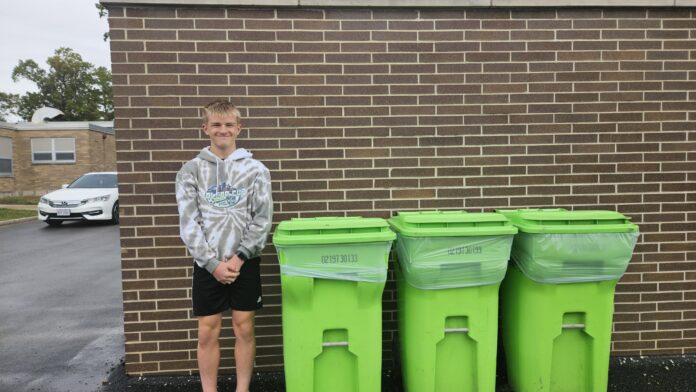
Riley Stramel is an eighth grader at McCord Junior High in Sylvania that is leading a composting project.

Riley Stramel, an eighth grader at McCord Junior High in Sylvania, has come up with a project that’s worth its weight in gold—specifically black gold, which is what many call organic composting.

Thanks to him, McCord students, faculty and staff separate leftover food and paper products from general trash. The organic waste goes into a special container that’s picked up weekly by a composting service, GoZERO.

“It’s a way to help our community reduce our carbon footprint,” Stramel said, and reduces the amount of waste that goes into landfills.

The initiative began in early October, after the students heard from a Keep Toledo Lucas County Beautiful representative about what organic composting is and did a walk-through of how to separate the “black gold” from landfill trash.

School Principal Susie Felver said the students bought into the project, recognizing its worth “and are willing to take the couple extra seconds to sort it. The kids are doing an awesome job. The lesson is that it’s really not hard to be a little more mindful of our impact on the earth.”

Riley Stramel won the Amazing Shake, an annual student competition, as a seventh grader last year.

Stramel’s project was the winner from last academic year in the third-annual student competition called Amazing Shake. McCord seventh graders research their own projects as a way to learn essential communications skills. “They learn how to call and make appointments, do interviews, read a cue card, pick an outfit for an interview,” Felver said. “They practice these skills that employers want them to have.” She said about 70 volunteers from the Sylvania community visit the school throughout the year to work with the students.

Felver said the students receive scores based on their performance, narrowing the field to 25, who then continue with off-site interviews, tours, and team building. The top 10 then are paired with a teacher and have a month to research and propose a service project that the school can do the following year.

As a seventh-grader, Stramel’s composting project won. “He researched it well,” Felver said. “He’s really great at public speaking—it’s fun to watch him.”


RELATED: Kaizen Educational Group: Holistic, Personalized and Empowering Services


Over the summer he had to secure funding for the compost-pickup service, GoZERO. With his principal, Stramel attended a Rotary Club of Sylvania meeting, making a pitch for financial support. She said the next day Stramel got a call saying the club, including the Taylor Automotive Family, would back his plan.

GoZERO will pick up the gathered compost—not only from the students’ lunch, but the teachers’ lounge and the cafeteria staff – weekly.

His parents are naturally proud and speak of his maturity. His mother, Carin Stramel, said over the years she’s included Riley in the community projects in which she’s participated. “I may have helped him form the initial idea,” she said, “but he took it and ran with it. He did all the work. He’s a self-starter.”

His father, Joe Stramel, said Riley’s been passionate about helping the community, and is comfortable talking with adults. “He’s doing great things. He’s got his head on his shoulders just right.”

His intent is for the composting to continue at McCord beyond when he leaves next year for Northview High School. “I’m also hoping to roll out this composting project into other schools.”

Felver added, “The cool part is we have the chance to be the ‘guinea pigs’ for such a forward-thinking, progressive program to help our environment. We’re hoping that as we find success and the word will spread, this can spread to other buildings.”

As for his future, Stramel plans to be a defense lawyer in family or criminal law, and attend Indiana University, Notre Dame, or the University of Florida as an undergraduate, then attend UCLA or the University of Michigan for law school.

“Riley’s a fantastic young man,” Felver said. “He’s a great representative of our school and our student body.”