Home Blog Page 163

Fun Ways To Teach Your Kids About Civic Responsibility

How much do your kids know about government? A September 2016 Washington Post article discussed how many Americans are unfamiliar with how our government works. For example, one survey found that only a quarter of citizens could name all three branches of government (executive, legislative, and judicial — in case you were wondering). 

Sadly, this trend has been taking place for many years. Since the 1950s, Americans have drifted apart and been less engaged in their communities. This report shows how Americans sign fewer petitions, belong to fewer organizations that meet in person, do not know their neighbors, meet with friends less frequently, and socialize with family members less often. This is unfortunate since research shows that we are happier when we build relationships and open up with others in our community.

Benefits Of Civic Engagement

There is a clear link between social connection and happiness, so when we interact with our neighbors on issues that impact our lives, we can experience a greater sense of connection to those we otherwise would not have met.

Experts have found that civic involvement helps us build personal connections in addition

to the typical ones we have through family, work, and leisure activities. When we participate in social action, community service, and political groups, we increase personal satisfaction as we engage with others on issues of mutual interest. These activities also involve participating in the decision making process, which has been found to boost our happiness as well. Another connection with happiness comes from helping others less fortunate than ourselves because it gives us a sense of living a meaningful life. 

The largest survey on American civic engagement from the Harvard Kennedy School of Government revealed that quality of life and happiness are highest in communities where residents are more socially connected. About 30,000 individuals were asked about their community involvement. The survey found that levels of civic engagement—such as how much residents trusted, socialized, and joined with others—predicted the quality of community life and residents’ happiness better than education or income. The survey also showed that if other individuals in a community had higher civic engagement, the whole community was happier overall. 

The connection between community involvement and happiness for children and teens has also been evaluated. According to youth.gov,

  • Youth who volunteer are more likely to feel connected to their communities, do better in school, and are less likely to engage in risky behavior.
  • Youth are more likely to volunteer if their entire family is involved and this experience results in strengthened family bonds.
  • Students who performed voluntary community service were 19 percent more likely to graduate from college than those who did not.

Additionally, Tufts University Professor Peter Levine studied the relationship between civic engagement and psychosocial well-being among college students. He concluded that people are happier if their daily activities tend to be helpful to and valued by society. They also need to feel a sense of belonging and support from their community. Moreover, students who engaged in civic activities that impacted social change had significantly better happiness scores. They felt more connected to others, were more motivated to learn, and managed stress more effectively. He expects civic engagement programs to boost happiness. 

Fun Ways To Teach Your Kids About Civic Engagement

Our children will spend some time in school learning about American history and government, but you can enhance their experience from a young age by doing the following:

  • Reading books about American politics and government based on their age and interests. Here is a wonderful book list developed by the United States Senate.
  • Watching movies and documentaries about history and government.
  • Volunteering together as a family to instill community service values.
  • Taking them with you when you go vote in elections.
  • Encouraging them to join the student government or debate team at school.
  • Bringing them to a political event or rally.
  • Learning together online using these amazing resources:

iCivics provides a platform to engage students in meaningful civic learning. They provide free inventive resources to ensure every student receives a high-quality civic education. As the largest provider of civics curriculum in the country, it is used in 50 states by over 110,000 teachers.

Kids in the House is a public service website provided by the Office of the Clerk of the U.S. House of Representatives. Its mission is to provide educational and entertaining information about the legislative branch of the United States Government to students of all ages. Topics covered include the role of the U.S. House of Representatives, the legislative process, and House history.

Center for Civic Education  promotes an enlightened and responsible citizenry committed to democratic principles and actively engaged in the practice of democracy. It develops high-quality curriculum materials, provides exceptional professional development for teachers, and advocates for stronger civic education in the United States and emerging democracies.

Kids at Work: Toledo Restaurants Run Family Businesses

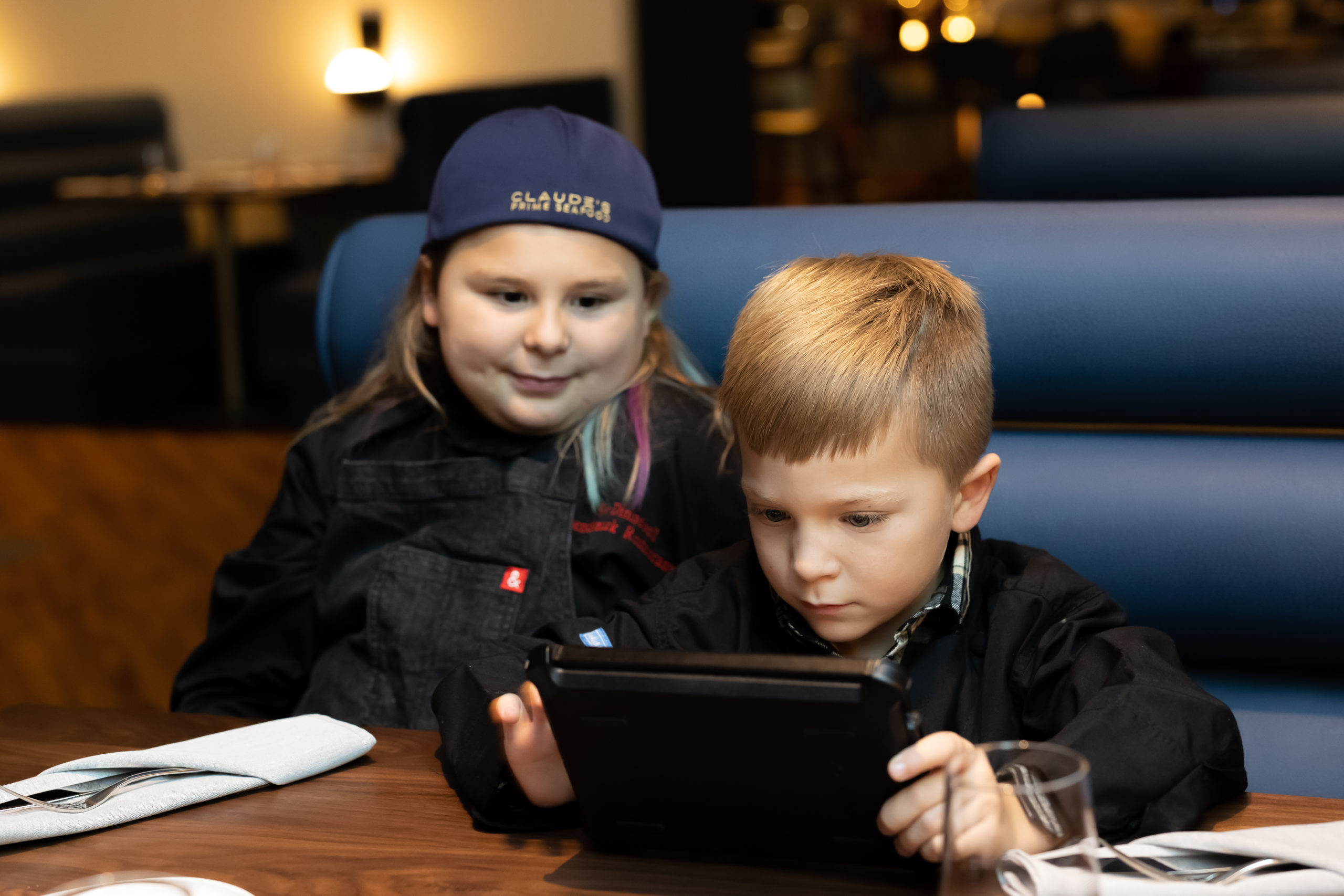
Photo credit: The Fable Photography

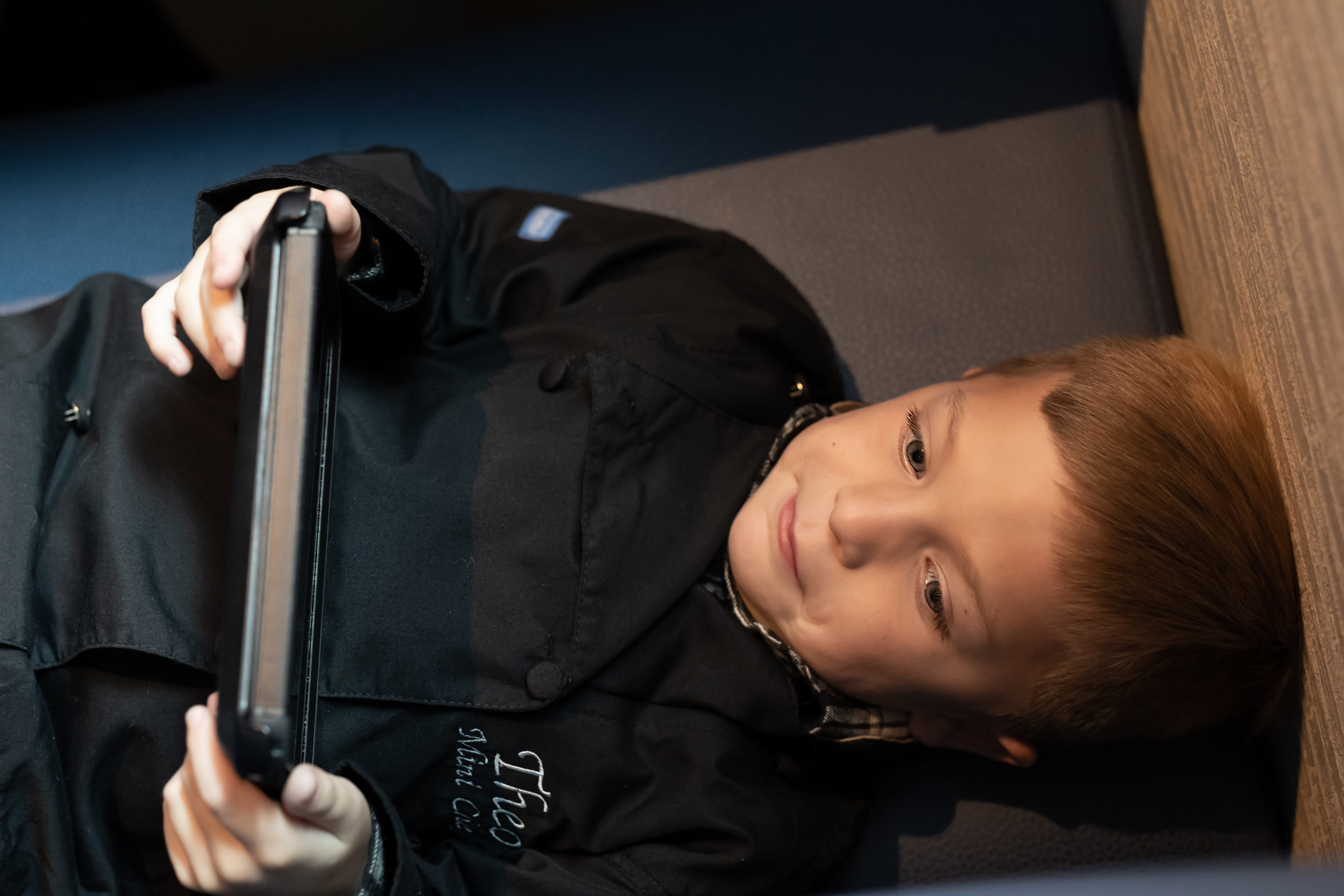
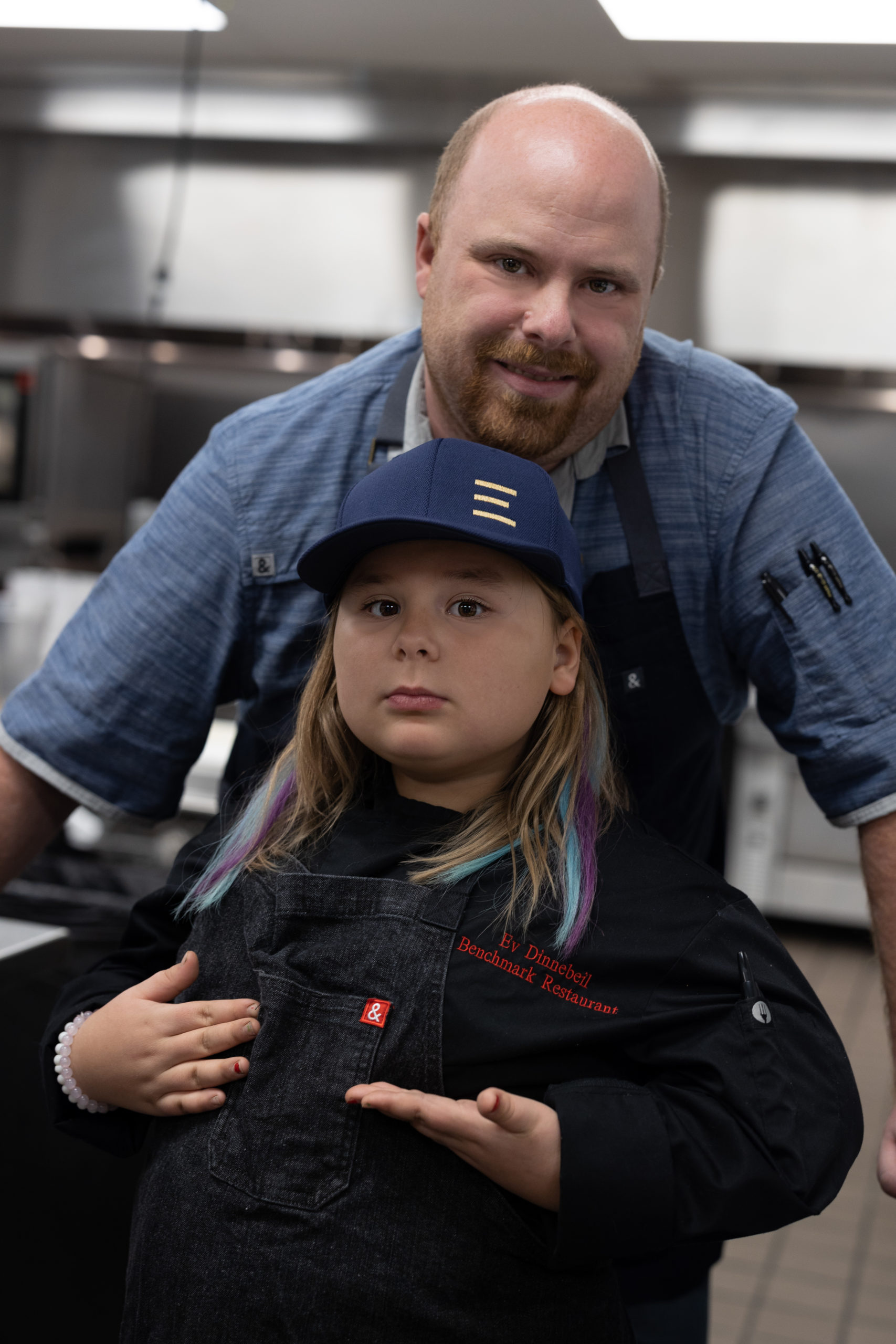
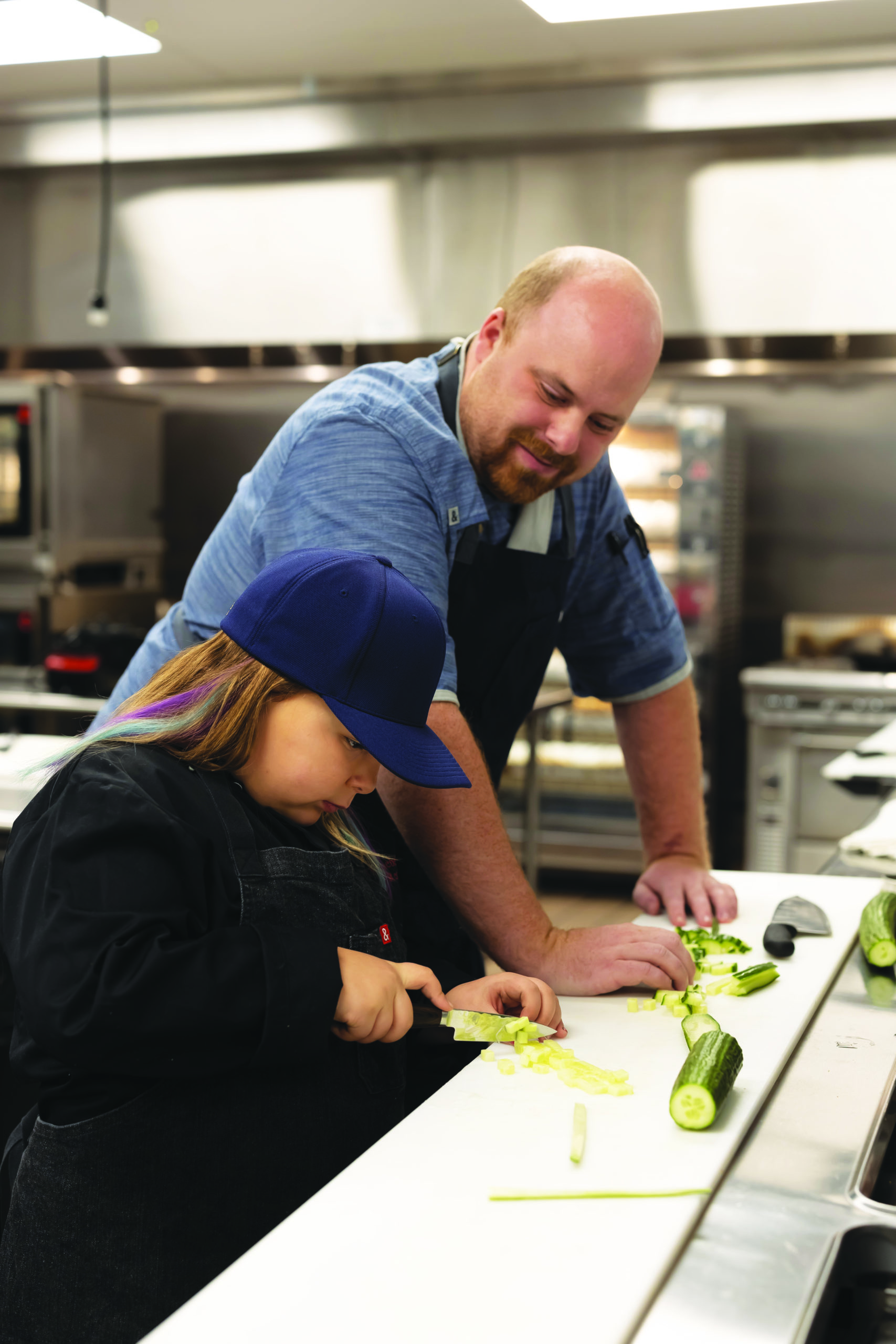
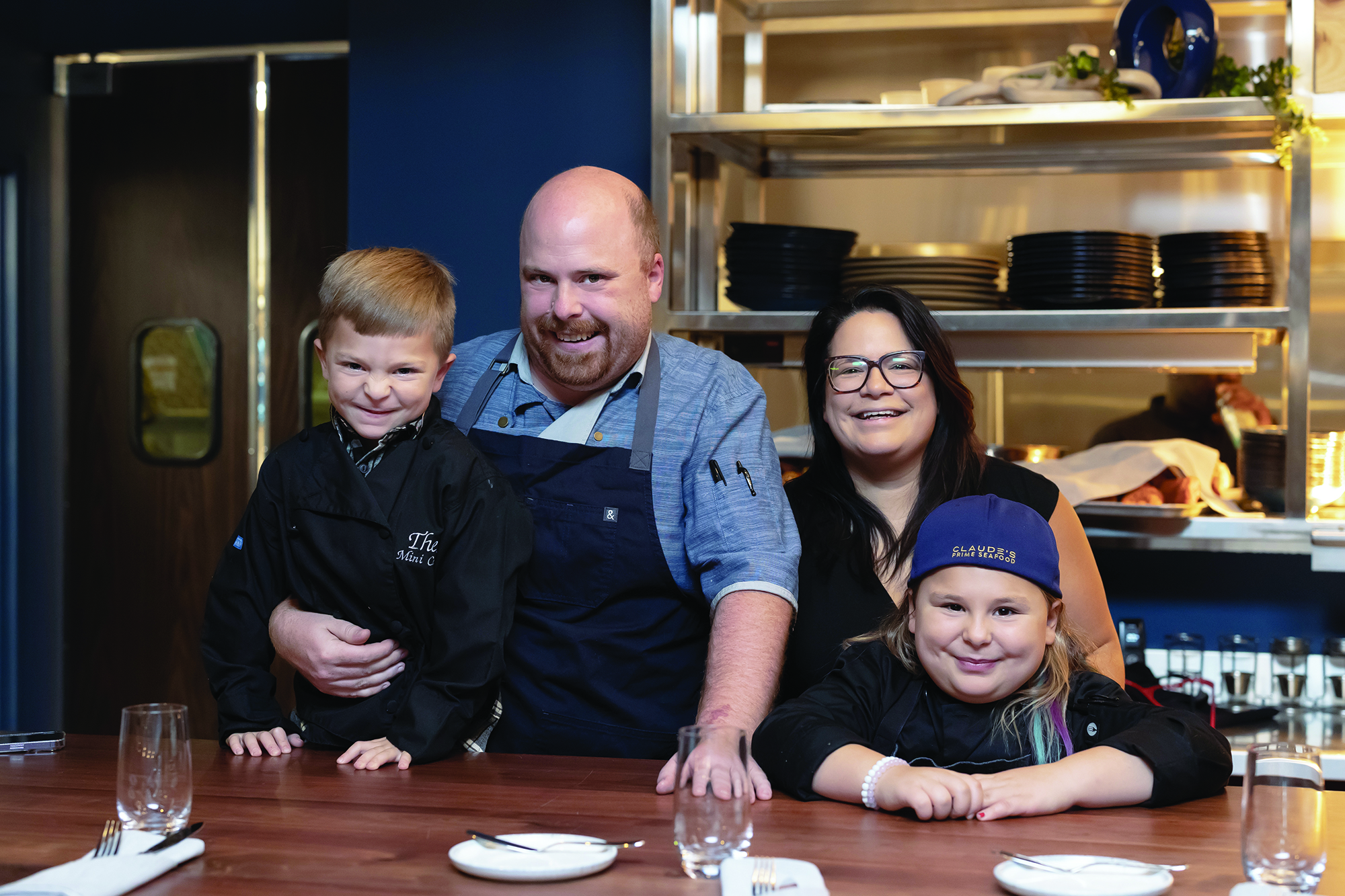
For many restaurants, food is the family business. And when the family includes young children, creative parents find ways to include the kids in the day-to-day operations. The children learn practical, hands-on lessons in math, reading, and spelling, and the parents find ways to involve the kids in daily tasks. Kitchen Impossible? Not at all!

We spoke with local restaurant families to see how they manage the work-life balance.


Benchmark Restaurant

6130 Levis Commons, Perrysburg
419-873-6590

Parents: Jeff Dinnebeil, Vice President of Operations at BRG
Megan Dinnebeil, Sales and Marketing at BRG 

Children: Evelyn “E.V.,: age 9
Theodore “Theo,” age 5 

The Dinnebeils are co-owners with Ed Harmon of NAI Harmon. Benchmark Restaurant Group includes Benchmark Restaurant, Claude’s Prime Seafood, and Harbor Town Tavern. 

How do your children help at the restaurant? 

E.V. does everything from working at the host stand and greeting and seating guests to running food to tables and prepping. Chopping, breaking down tenderloins, cracking eggs, cleaning king crab…I mean everything! She has worked at Zoo to Do and many offsites with us. This kid takes after her chef father, loves all food and loves to cook. Theo, being 5, doesn’t get to hold a knife yet! But he is learning. Right now, Jeff has him counting down drawers, and he helps out with some special events.


What has your experience been when bringing kids to work? 

It’s good when it’s good, and when it’s bad… 

No, all jokes aside. It’s difficult to keep kids entertained in any setting, but we are lucky that our team is more like a family. Everyone has seen E.V. and Theo grow up. They are always engaging with them, asking them how school was and trying to get them to help. 

Why is it important to include them in the family business? 

It is beyond important to include E.V. and Theo in the restaurants. It is our passion and a large part of our lives. Growing up in restaurants will make our kids better people. We can share our vision of true hospitality, caring for others, and a hard work ethic. 


Evelyn’s Experience 

What do you like about helping at the restaurant? It’s just fun! I get to see all these people that are older than me working. I like to help so that someday I can be just like them. 

What is your favorite job there? All of it! I like bringing food to people so that I can meet them. Cooking pasta and cracking eggs is so much fun. 

What do you hope to do when you grow up? When I grow up, I want to do what Mom and Dad do. I want to work in a restaurant and make people happy.


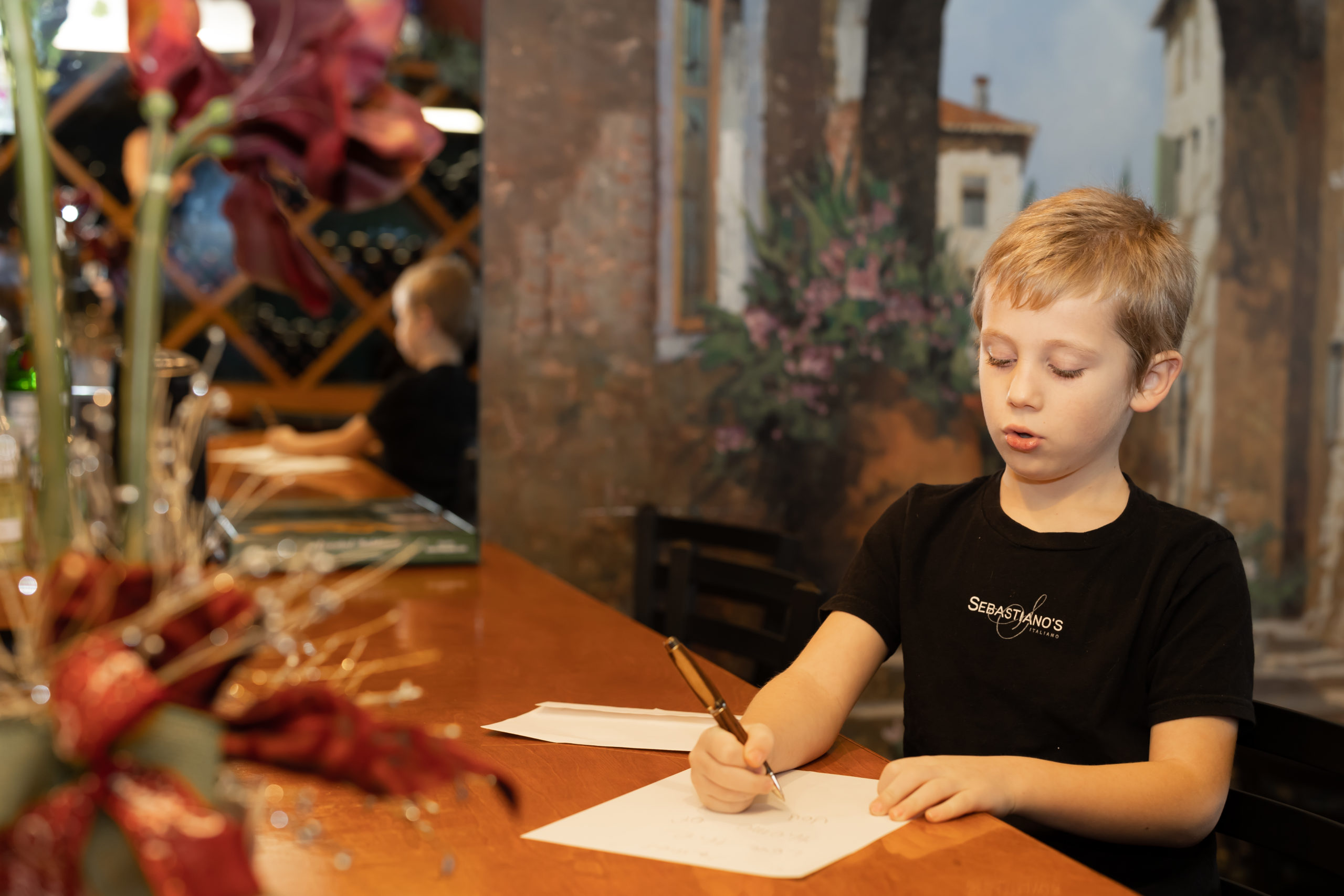
Sebastiano’s Italiano Restaurant

4448 Heatherdowns Blvd.
419-382-0615 

Parents: Jonathon Sagaser, Owner and Chef
Sarah Sagaser, Owner, Front of the House Manager 

Children:
Margaret “Maggie,” age 10
Loretta “Retta,” age 8
Joseph “Joey,” age 6 

Sebastiano’s is a family-owned business that enjoys being part of the South Toledo community. They focus on a kitchen-driven setup that emphasizes quality over quantity to better connect with their guests.

How do your children help out at the restaurant? The girls help host or serve when they are feeling it, or when we are in a pinch and they can tell they are truly needed. Joey is the master schmoozer. He charms and entertains everyone he interacts with — a total restaurant kid!

We hear you have a playroom set up for them at the restaurant! Tell us about it. When Jon and I purchased from Sebastiano and Helane, they had already raised their own two girls in the restaurant. The back storage room was already set up where half was a living room/playroom, so we have kept that going. 

A wonderful staffer gave it a makeover when we were on a vacation last year, and we’ve acquired some cheap or free furniture and carpet remnants to make it more than comfy for homework and hangout times. It sees a lot of creative use of our emptied boxes and office and restaurant supplies, and frequently bears the clutter of three busy and imaginative minds. 

What has your experience been when bringing kids to work? They use a lot of Scotch tape. Ok, kidding! I mean, they do, but ultimately I absolutely love that our family can be “together” while we keep the place going. Many customers have seen our children grow these last 9+ years and are just as invested in what’s going on in their lives as our own family. 

We’ve been fortunate to hire staff over the years that don’t just put up with them, but adore them as they would nieces or nephews or younger siblings. They stick around at the end of the night for the Sagaser Kids Revue on the corner stage, and they come to puppet shows in the back between tables. Many a staffer or regular customer has helped with homework! Even when our musicians play, they will learn and feature the kids’ favorites! 

Why is it important to include the kids in the family business? Jon and I each grew up with a parent/parents who owned small businesses. We knew it meant missing some things and gaining others. I remember when school was virtual during the height of the COVID pandemic in 2020. I would get them involved in as much as possible and send pics to their teachers asking how many subjects they could get extra credit for. Just helping at the register covers math, technology, reading, spelling, and social studies. 

When they were smaller, they had important jobs like blowing out the candles at the end of the night. Now that they are older, they can help with stocking and putting orders in. They know the table numbers and can run food or water/soft drinks. We are trusting them more and more as they show responsibility and how they are invested in seeing the restaurant succeed. I always joke that they move around the restaurant like they own the place! 


The Sagaser Children’s Experience

What do you like about helping at the restaurant? 

Maggie: Just helping. It’s fun. 

Retta: Money. I get moolah. 

Joey: That I, at least, get to carry some stuff. 

What is your favorite job there? 

Maggie: I guess I’d say host. I get to make all the calls. 

Retta: Host, because it’s really hard. 

Joey: Waiter. I mean, I mean, I mean the one who gets the orders. 

What do you hope to do when you grow up? 

Maggie: I have no idea whatsoever, but a singer sounds kind of fun. 

Retta: Be a teacher. 

Joey: Be an astronaut. 


Element 112 Restaurant

5735 N. Main St., Sylvania
419-517-1104 

Parents: Chris Nixon, Owner and Chef
Madeline Nixon, wife and mother 

Chef Nixon’s restaurant serves French bistro-style classics made with farm-fresh seasonal ingredients in a comfortable ambience in downtown Sylvania. 

Children:
Ludovic, age 5
Lorenzo, age 3
Luciano, age 7 months 

How do your children help at the restaurant? Define “help.” I would say they more or less just add to the environment and try the food! 

What has your experience been when bringing kids to work? 

The staff is very understanding. The kids add to the family feel of the business. We have learned to hide the chocolate croissants. 

Why is it important to include the kids in the family business? It shows them how the family functions on a day-to-day basis, and lets them learn about finances and hard work.

RSV Season: Local expert weighs in on virus that’s putting parents on edge

The rise of Respiratory Syncytial Virus, or RSV, has parents on the edge. According to the CDC, more than two million children under five years old are hospitalized with RSV in any given year. This year, the CDC estimates that number to be seven times higher.

“It’s unprecedented how early the virus arrived,” says Jacob Maciejewski, MD, a pediatrician at ProMedica Physicians – Oregon Pediatrics, adding that the virus usually peaks in February and that the influx of cases happened both last year [2019] and this year [2022] . ”

Dr. Maciejewski
Dr. Maciejewski has been practicing for 14 years and has never seen this many RSV cases.

What is RSV?

RSV is a viral infection that causes bronchiolitis – an infection in the small airways (bronchioles) that is seen mostly in children under two years of age. Those airways are lined by smooth muscles that provide an easier route for the virus, as opposed to bronchitis in adults where those airways are lined with cartilage. In children, those smooth muscles are more prone to mucus production and clogged airways that lead to wheezing (one of the more common symptoms of RSV).

The virus is transmitted by touching a contaminated surface and then touching eyes, mouth, or nose, or by being near an infected child or individual who sneezes or coughs. Symptoms generally begin to show within four to six days after being infected. Dr. Maciejewski says children’s bodies can usually fight it off in a week or two, but 50 percent of kids carry a cough for two weeks and 10 percent can carry it for a month after onset.

The Reason for the Influx of Cases

The rise of RSV can be directly correlated to children and infants not being exposed to common respiratory viruses, according to Dr. Maciejewski – something that carried over from the pandemic. “Parents and caregivers kept their children home and kept them out of daycare, so this could be the first time they’re exposed to the virus.”

Dr. Maciejewski says that close to 100 percent of people get infected with RSV in the first two years of their life, so kids who may have been staying home for a large part of the pandemic may not have ever been exposed. “We’re seeing more cases because kids who should have gotten it last year didn’t get it… couple that with this year’s kids who are just now getting it, and it’s the perfect storm.”

“When you look at the news and reports, everything is focused on children, but this [virus] affects everybody – from newborns to the elderly population.”

There is also a higher transmission rate from child to child. “Usually adults can shed the virus for three to seven days after onset of symptoms, but in children, they can shed RSV for several weeks. It’s a reason why this virus is so contagious.”

Confusing RSV with the Cold or Flu – The Symptoms Parents Need to Look Out For

Symptoms of RSV generally consist of a runny nose, coughing, sneezing, and the aforementioned wheezing. Some of the more severe cases are seen in premature infants, children under six months old, and children with underlying heart disease or cardiopulmonary diseases.

With COVID-19, the common cold and influenza all prevalent recently, it can be difficult for parents to tell the difference. Parents can use an over-the-counter PCR test kit to determine the illness. Depending on insurance, parents can secure a test at no cost. There is also a handy chart that lists all symptoms related to RSV, the cold and the flu, courtesy of Nationwide Children’s Hospital.

However, Dr. Maciejewski says parents’ first step should be to contact their family doctor or pediatrician if their child(ren) show symptoms. “If a child is having difficulties breathing, that’s a sign that they need to be seen right now.”

Once RSV is diagnosed, parents can begin a treatment plan. Antibiotics won’t be prescribed because this is a virus. Instead, a pediatrician may advise giving the child acetaminophen or ibuprofen if they’re under six months old, using a cool-mist humidifier and providing plenty of fluids to remedy some of the symptoms.

How Can Parents Keep Their Families Healthy

While there is no definitive way to completely avoid RSV, prevention measures are always possible. “It all comes down to hand washing,” says Dr. Maciejewski. The CDC recommends washing hands with soap and water for at least 20 seconds, covering coughs and sneezes with a tissue or your upper shirtsleeve, not your bare hands, and avoiding touching eyes, nose, and mouth with unwashed hands. Parents should also develop a habit of cleaning their child’s toys.

While a vaccine would provide the best defense against RSV, there is no vaccine, but Dr. Maciejewski says there is definitely “hope” on the horizon to get one produced.  He says if and when it happens, it would most likely be given to mothers in their third trimester of pregnancy, which is very similar to the Tdap vaccination, so the mother can develop antibodies that are passed through the placenta to the infant that would provide some protection.

Dr. Maciejewski reminds parents to remain patient with their family doctors. “Bear with us in our primary care offices, our urgent cares, and in our emergency rooms. We’re doing the best we can with the resources we have to help everybody.”

Identifying Internet Addiction Among Teens

By Antonio Cooper and Mary Rose Kulczak

The internet and computers are ingrained tools that help ease lives and allow resources to remain readily accessible to society. While these tools can be used for pleasantries, such as sharing a funny status on Facebook or uploading cute videos of your dog on TikTok, some can’t find a balance between enjoying life online and offline. This lack of balance creates issues for users’ mental health, becoming what is classified as Internet addiction.

Internet addiction is having detrimental effects on teenagers. In an article published by the Pew Research Center, a survey discovered that 95 percent of 13 to 17-year-olds have access to a smartphone, and 46 percent of teens say they are “almost constantly” online. That’s up from 24 percent eight years ago. 

Pew researchers surveyed 1,316 teens in April 2022. More than half (54 percent) said it would be difficult for them to give up social media, especially for the older respondents ages 15 to 17.

“There is clear evidence that compulsive use of social media and internet-based interactions are on the rise among teens,” said Philip D. Atkins, PhD, Chief Care Coordination Officer and Vice President at Harbor of Toledo. He cited the Pew research findings as cause for concern.

“We also know that the COVID-19 pandemic took an issue that was already concerning and seriously compounded the problem. Even kids with limited screen time had their online time increase in order to do school and have any social interaction. Most of the time, kids with healthy family relationships and supportive peers manage social media okay. It’s when we see distress in those relationships that we often see internet and social media use escalate in a way that can be harmful.”

Atkins noted that there are a number of conditions that can foster these addictions.

“Overuse of social media, or social media “addiction,” is part of a cluster of behavioral addictions that can depend on certain conditions for development. Some of these conditions include feeling detached from your family, school, friendship losses, boredom, isolation, anxiety or depression. The more of these risk factors a child has, the more diligent we need to be about their social media use,” Atkins stated.

It’s Not Just A Kid Thing

Internet and social media consumption can be a problem for adults as well as teens. In stressful circumstances, teens and parents alike may look for diversions and distractions like the internet as a coping mechanism.

“As a culture, we are restless,” Atkins said. “We all look for things that soothe us in a world that can feel out of control sometimes. It’s not just a kid thing — it’s us as adults as well. There is something wonderfully mind-numbing about scrolling through Instagram when you’re stressed. The prevalence of mental health concerns and emotional disruptions for kids is at an all-time high. Sometimes, there is simply too much going on for kids’ brains to handle developmentally. The adults in their lives are also stressed-economically, emotionally, in their adult relationships- and kids are like sonar in receiving those signals we put off, even if we think we’re masking it well.”

Local parents speak out

Mike Manore is a local father of two sons. When asked if his family was concerned about the rise of internet addiction among teens, he responded “Of course! It is a concern for us, as I imagine it is for most every family. It is a daily reality, as a great deal of most teens’ day-to-day interactions now take place via social media and/or texting,” he said.

Manore has found ways to get his teens off the screens and engaged.

“We try to keep them involved in extracurricular activities, such as marching band and youth group, as well as family activities and trips, in order to create in-person connections and foster strong friend and family relationships.”

Alesia Aromas is the mother of five children, ranging in age from 10 to 19. She knows the daily challenge that parents and teens face when it comes to screens.

“I am very concerned about social media addiction. As a mother, I see first-hand how a small device can create anxiety,” she said.

“I believe teens today do not know how to turn off the pressures and expectations of parents, academics, the world, and their peers. They rely heavily on clicks and likes to prove their status or popularity. Instead of taking a moment to self-soothe or problem solve internally, they instantly post and wait for their social media activity to solve the problem. Sleep deprivation is a terrifying thing, and the addiction of always being connected adds to this issue.”

For Aromas, it is important to be vigilant about her children’s screen usage.

“I monitor screen time with weekly reports, no phone at the dinner table, and I talk about the need to unplug for their health. The youngest one has parental controls on his phone, so it shuts off for certain periods of time.”

Do I have an Internet addiction? 

Atkins noted that there are signs for parents to watch for in their teen’s screen usage.

“The first thing to check out before we take on screen time are the environmental contexts kids are experiencing. When a fish is swimming in a polluted pond, we don’t blame the fish for trying to cope!,” he said. 

“Check out the environmental factors your kids are experiencing. Are they living in  a household that is distressed? Is their neighborhood unsafe? Are they becoming increasingly disconnected from caring adults and parents? Are there enough positive activities and connections in their lives? If the answer is no, the place to start is not screen time, it’s relationships. Becoming more secretive, losing interest in activities they used to enjoy, being violent or angry, or doing things that are self-harming such as alcohol or drugs are typically symptoms of a greater disconnection. Ask yourself: Is my kid using Tik Tok as a substitute for connecting with me? Then remember, we’re the adults, and it is our job, not theirs, to fix that.”

For those unsure if they’re struggling with Internet addiction, Duke University posted a series of statements, recommending that you seek help If you agree with most of them. The statements from the article are listed below:

  • I think about being online almost constantly. If I’m not online, I’m thinking about the next time I can be or that last time that I was.
  • I need to be online longer and longer each time before I feel satisfied.
  • I have tried to control, reduce, or stop my internet use, but haven’t been able to do so successfully. I feel irritable or depressed when I try to reduce the amount of time that I am on the internet or when I can’t get online.
  • The way I use the Internet has threatened a relationship with someone I care about, my job, or my school work.
  • I lose track of time when I’m online. I sometimes lie to important people in my life about the amount of time I spend — or the types of activities I participate in — on the Internet. Being online helps me to forget about my problems or improve my mood when I’m feeling sad, anxious, or lonely.

What are the best ways to assist your teenager in curbing their Internet addiction?

Atkins noted three important ways to combat teen internet addiction.

“Engage, engage, engage,” he said. “Even the most distressed families have touch points-those times where people connect even briefly around something. Maybe it’s sports or taco Tuesday or a simple good night ritual. One of the best things you can do is set aside time to do a family vision. The Paxis Institute has a great way to do it. Set aside some time, maybe fifteen minutes, when there is (relative!) peace in your household. Ask something like ‘If we were going to have a loving, connected family, what would we see more of? What would we feel more of? What would we do more of?’”

After this exercise, Atkins suggests carefully wording any negative conversational starting points.

“Spend some time on the positive before you ask ‘If we were a loving, connected family what would we see less of? Feel less of? Do less of?’” he offered. “ Don’t expect a Brady Bunch moment. Just try to listen. Add your ideas, too, but avoid blaming. Saying ‘I’d like to do more game nights’ instead of ‘You kids need to be home more’ or ‘I’d like to feel less frustrated and stressed’ instead of ‘You kids need to not infuriate me!’” 

Atkins notes that building better relationships is the key to positive change.

“The treatment for all behavioral addictions is connection. Sure, game night might not be the single answer to combating the negative effects of over-using social media, but when we continue these little elements, they become transformative.”

For those struggling with addiction of any form, please contact the Substance Abuse and Mental Health hotline at 1-800-662-4357, or visit their website.

Burnham Park upgrades bring new park structures and playground equipment

On October 24, Sylvania Recreation invited the community to hear their proposed plans for upgrading Burnham Park and Plummer Pool. This improvement project was made possible through a $400,000 grant that the city of Sylvania and Sylvania Recreation received from the state of Ohio Capital Improvement Community Recreation Project Grants program, as well as an additional $19,821 grant awarded to Sylvania Recreation by “GAMETIME Cares.” 

For Burnham Park, this funding brings many exciting proposed changes. One such change includes replacing the picnic shelter and worn picnic benches with new shade structures, reflecting practical and aesthetic improvements in the equipment. Not only will the new shade structures be placed in more user-friendly and convenient areas in the park, but they will also be designed in natural colors. 

Other renovations include removal of a gazebo and the addition of new playground equipment for visitors of different ages. Some of the new playground equipment will be installed in the area closest to Maplewood Ave., and will be intended for children ages 2-5. The area of the playground catering to older children will receive new swing sets. As nearly 20-year-old playground equipment is replaced through Burnham Park’s upgrade project, Mike McMahon has stated that the improvements underway will “provide the Sylvania community with a park they can be proud of.”

For more information about Burnham Park, visit their website or call Sylvania Recreation’s main office at 419-882-1500.

Babies Come First for Baby 1st Network

Sleeping baby clenches his parent's fingers; Soft focus and blurry

The gift of life is beautiful, but sometimes, the moments after labor can be the most devastating for some parents. Each year, there are about 3,400 cases of sudden unexpected infant deaths, or SIDS, in the United States, according to the CDC. In 2020 alone, there were about 1,389 deaths. Additionally, it’s estimated that three babies each week die in Ohio as a result of unsafe sleep environments.

Supporting Babies in Two Ways

Baby 1st Network, a non-profit in Toledo, works to connect families, caregivers, and researchers with government, business and community service groups with two primary goals: to reduce infant mortality in Ohio and to support those families who have lost a child from SIDS.

They do this through an established network of professionals and partners in northwest Ohio and southeast Michigan that includes home visitations by nurses and social workers, childcare providers, clergymen, and EMTs, among other services. Through these partnerships, Baby 1st Network is working to become the one-stop leading resource for families.

Baby 1st Network Executive Director
Stacy Scott, Ph.D., MPA, has served as the Executive Director for Baby 1st Network since 2018.

“Not only does it take a village to raise a child, but it also takes a village to save one. We look at what we can as a community, and as a state, to come together to ensure that every baby makes it to their first birthday and beyond,” says Dr. Stacy Scott, executive director of Baby 1st Network.

The organization got its start nearly 40 years ago as the SID Network of Ohio, which was then a support group for families who have lost children to sudden infant death syndrome (SIDS). The organization consisted of several branches sprinkled all throughout Ohio’s major cities to further research SIDS.

Over the years, the organization shifted its focus to community outreach and education; promoting infant health and wellness, and supporting state-wide efforts to reduce the rate of sleep-related infant deaths. It wasn’t until 2015 that the SID Network of Ohio officially became Baby 1st Network with its headquarters in downtown Toledo. “We have a strong presence in the community and work with about 200-300 other community organizations in Ohio,” says Dr. Scott.

When a family experiences a loss, their information is passed along to Baby 1st Network and their journey begins. The team can provide simple tips and support but they rely on referring families to one of their partnered organizations to make sure they get the necessary help. Stacy estimates they help or refer around 300 families each year. “We do whatever we can to make sure the families get the support they need,” says Dr. Scott, adding that there is no cost to the families who receive help.

The Threat Among African-American Babies

Dr. Scott says promoting safe sleep conditions for newborns and infants is critical in getting babies to their first birthday, especially in African American communities. In 2016, the infant mortality rate among African Americans in the U.S. was over 11 deaths per 1,000 live births compared to just four deaths per 1,000 for white infants, per womensenews.org.

There is also a 40% increased risk of sudden infant death if a baby shares a sleeping area with another person, so education and awareness is key. In response, Baby 1st Network hosts community health forums in areas where the disparity of infant mortality among African Americans is the highest. Anybody can attend these public forums.

The next forum is hosted by the Ohio Collaborative to Prevent Infant Mortality and is scheduled for Fri., Dec. 2 from 8 a.m. – 5 p.m. at the Toledo Lucas County Public Library – Main Branch in downtown Toledo. You can reserve your spot here.

The website is also a great resource for a variety of safe sleep tips for parents that includes using an approved crib, ensuring the baby sleeps on their back and keeping soft bedding out of your baby’s crib.

Getting Involved

If you’d like to get involved in Baby 1st Network, you can make a monetary donation, become a sponsor or by volunteering. Those interested in volunteer opportunities can email [email protected]. You may also contact the Toledo office located at N. Superior by stopping in or by calling 330-929-9911. Be sure to find Baby 1st Network on Facebook and Twitter.