

Personal Trainers for Parents: BeLove Parenting
Strategies for developing strong, resilient young people
Many of us have thought about the benefits of personal training. If you’ve participated in some type of personal training, you realize how the people who really understand our strengths and deficiencies can develop strategies that can help us grow and succeed.
So, you may wonder whether that approach can apply to parenting. Turns out, it does! Parent Coaching is a 21st century strategy that offers one-on-one training to guide parents in handling immediate and long-term behaviors in their children.
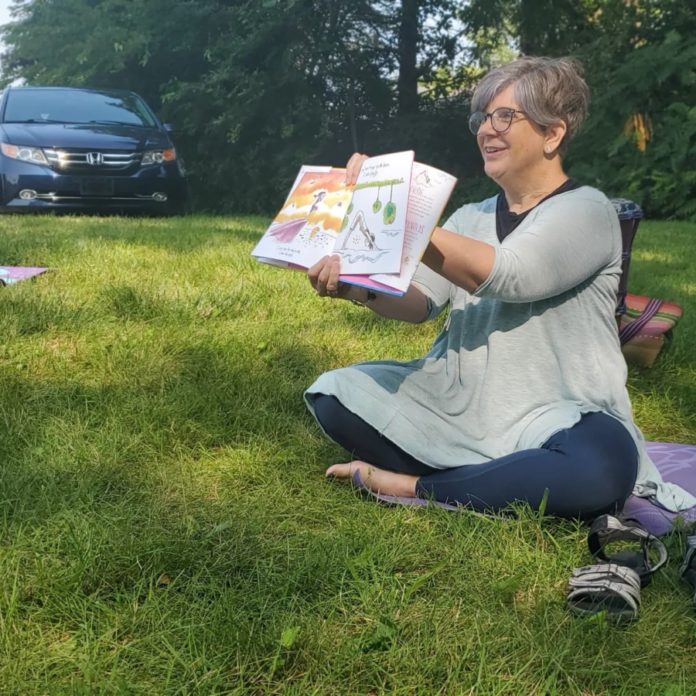
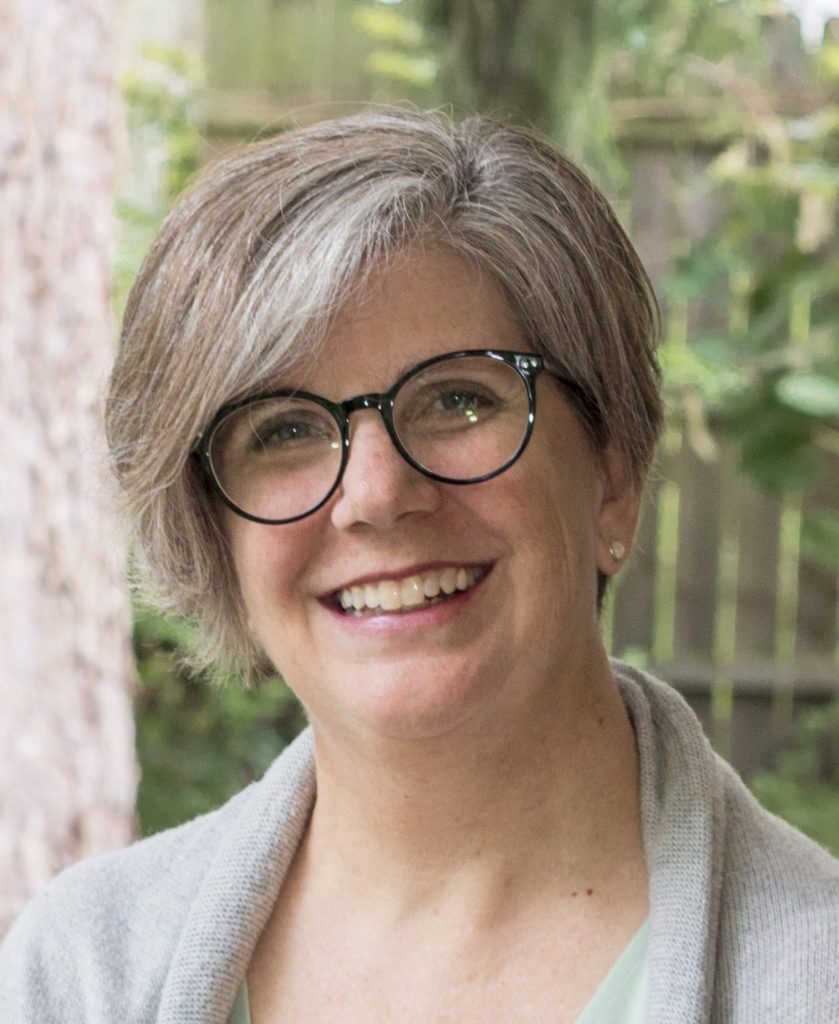
“There’s a lot of information out there, and it’s hard to know what to apply and when,” said Penny Tullis Meeker, director of BeLove Parenting, a local parent coaching practice. She created the practice a year ago after more than 30 years of experience training professionals, and working with kids and families in a variety of youth development situations.
Meeker explained that it’s difficult to make significant connections today, even though kids have access to so much more information and people than ever before. And the long-term effects of the pandemic reach so much deeper into our kids’ lives than we had imagined. Through all of this, she said, “parents and their kids are working at different levels of knowledge. Parents are struggling to find joy in parenting.”
Seeking coaching
Coaching takes a different approach than counseling, according to Meeker. “Counseling deals primarily with traumas and mental health issues, while coaching is more goal-oriented,” she said. Parents often have many questions that may be answered by a new approach to parenting:
- They’d like to sift the “good” information they read about from advice that may be bad for their family.
- They have a specific crisis they don’t know how to handle.
- They’re not sure how to set boundaries with their children.
- They don’t want to repeat bad parenting they received as children.
- Their children’s individual challenges (abilities, difficulties, etc.) may warrant different strategies.
- Each parent has a different way of parenting.
 Establishing the goals and setting aside the time
“We’re very child-oriented in our counseling, but understand that parents also need time and support,” Meeker said. Her first session with parents is to identify issues and set goals. Her ongoing counseling (typically six sessions) is designed to help parents to create calm, consistent and intentional strategies for their kids’ behaviors.
“Intentional strategies deal with the final outcome you desire from an activity,” she explained. If you are creating a morning routine (for less screen time, being together or having everything ready for school) you also want to set the tone you’d like them to take to school (that home runs smoothly and is a place of love and companionship).
“Parenting skills can be taught,” she said, but the individual strategies are the goals parents work to achieve every day. “Parents will say ‘Oh, I need this, but I’m so busy.’ They will do things for their children – at great effort – often with a lack of understanding that they should take care of themselves,” she said.
Making connections
Meeker is writing her first book, also titled BeLove Parenting, that will be focused on her three pillars of parenting: connection, mindfulness and resilience. She currently leads monthly Mindfulness for Kids (age 3-10) and Parenting sessions, in connection with Integration Yoga with Jenn and Harmony in Life Center. Learn more about these sessions on the BeLove Parenting Facebook page.

Helping Teens Find their Niche

Regardless what part of town you live in or your child’s interests, Toledo boasts a variety of activities for teens and tweens. From the library’s list of events to the simple pleasures of the great outdoors, there truly is something for everyone. Teens and tweens have plenty of opportunities to spend time with friends and family in healthy, constructive and meaningful ways.
Toledo Lucas County Public Library
Various branches
419-259-5200
TLCPL offers teen events at each branch on a weekly basis, from book clubs to game nights. Each branch offers different activities ranging from Bingo and Nintendo Switch Club at the Mott Branch to Hip Hop Class at the Locke Branch. Those are just a few of the highlights, and readers can find a full list of branches and activities on the TLCPL website.
Point Place Branch hosts the Teen Cocoa Club on Fridays from 4-5 pm. Each week presents new activities. It’s also a time for teens and tweens to connect about books and games. The branch also hosts Dungeons and Dragons for teens every Thursday from 3:30-5 pm.
The Main Library downtown offers teens a space to meet up with friends for video games, as well as activities like the Teen Lit League, chess and collaborations with local organizations like Toledo Grows and Tabletop Games.
Toledo Museum of Art
2445 Monroe St.
419-255-8000
Along with a nationally known art collection, TMA offers multiple classes for adolescents with unique opportunities to learn about mural painting, glass blowing and mixed media art. Members receive a discounted rate on all classes. For more details regarding classes and age limits, check out their website.
Toledo Area Mountain Bikers Association
& Glass City Mountain Bikers
[email protected]
These two organizations merged to offer programming that is better than ever! Black Swamp Riders are an interscholastic mountain biking team that includes every member at every practice and race, allowing all riders to develop a strong work ethic and perseverance to promote a lifelong love for riding. Practices are held twice per week at Ottawa Park and Oak Openings. Weekend races take place during the fall in various locations in Michigan. Check the website for dates and times of practices. The whole family can participate in the Glass City Mountain Bikers rides, learning to overcome new challenges together without the competitive aspect. Weekly rides are held on Friday evenings.
YMCA
Various locations
In addition to fitness and sports, the YMCA offers several different programs for teens and tweens to supplement their education and to prepare them for careers. Y Achievers, one of the programs, is offered at three locations: Wayman Palmer, West Toledo and Wolf Creek. Teens, 14-18 years old, receive help with homework, life skills, explore careers and college or trades prep. Find a complete list of other available programs on their website.
2 Hippo Way
419-385-5721
Teens, 13-17 years old, can volunteer with the Toledo Zoo as a part of the ZOOTeen Program. This program is perfect for teens who are interested in education, animal science and conservation. There is a required $75 annual fee to cover the cost of the program. Through this program, teens will have the opportunity to host education activity stations, facilitate and support live animal encounters in the Aquarium and Nature’s Neighborhood, assist with Summer Camp programs and more. To see a list of requirements and other volunteer information, visit their website.
Local Author Releases Debut Children’s Book

Nathan A. Jacobs, freelance writer and children’s book author, is visiting Swanton, his home town, to promote his debut children’s book, “Leaving the Pouch,” at the Writer’s Block Book Fair.
The event is taking place on Saturday, October 14, from 10am-6pm, with books for people of all ages and genres.
Jacobs is a resident of the Swanton community and is taking his first step in the children book industry with this book. The Writer’s block Book Fair is proud to feature Jacobs as one of the spotlight authors, where fans can get signed book and do interactive activities with him.
“Leaving the Pouch” is a charming storybook, inspired by his youngest child overcoming his first-day-of-school jitters. The story follows a young kangaroo, named Lola, who has to build courage to leave Mother Kangaroo’s pouch and go to school for the first time.
The book captures both the fears and excitement that children face when starting this new chapter in their lives. The book has received a lot of praise and good reviews already, especially from parents who view this as a relatable storyline and admire the beautiful illustrations.
The Writer’s Block Book Fair, held in the Franklin Park Mall, is open to all the public and promises to have a taste of all genres for everyone to find their fitting. All visitors can explore the diverse book collection and participate in literary discussions. Families are encouraged to attend to talk to Jacobs about his experiences and celebrate this local author’s achievements, while also understanding how kids feel when they get to the new chapters in their lives.
Join Jacobs and other local authors and book fanatics on October 14 to join in on the literary adventures. Help welcome Jacob’s book, “Leaving the Pouch,” on many families’ bookshelves where it will stay for future generations to come and see howo this new chapter truly starts.
What Universal School Choice Means for Ohio students

Universal school choice has come to Ohio.
With passage of the two-year budget bill in July, the state legislature approved new funding that makes all Ohio students entering grades K-12 eligible to receive private school scholarships through the EdChoice Income-Based Expansion Program. This program dates to 2013, but previously only families with incomes at or below 250 percent of the Federal Poverty Level were eligible for vouchers.

While a legal fight is brewing over the validity of Ohio’s school voucher program, for now, the expanded eligibility guidelines stand: students from families with an adjusted gross income at or below 450 percent of the Federal Poverty Guidelines are eligible to receive the full scholarship amount of $6,165 (grades K-8) and $8,407 (grades 9-12). A child from a family of four with adjusted gross income of $135,000, for example, would be eligible for a full scholarship. Scholarships are renewable annually through grade 12, provided students meet certain criteria.
If a school’s tuition exceeds the scholarship amount, the difference would be waived for a family whose income is at or below 200 percent of the Federal Poverty Guidelines.
Students from families with a higher adjusted gross income are also eligible to receive a reduced scholarship on a sliding scale, at a minimum amount of $650 (K-8) or $950 (9-12).
What is the right school for your child?
Vouchers have a long history in Ohio and the EdChoice Expansion Program is one of several state scholarship programs available.

The EdChoice Scholarship Program was created in 2005 to provide vouchers to students in failing school districts. The state also offers the Autism Scholarship for students ages 3-21 to use at participating schools and private service providers, and the Jon Peterson Special Needs Scholarship for any K-12 student with an Individualized Education Program. The latter has six different award levels to assist with the cost of intervention and educational services, and these scholarship amounts were also increased with passage of the most recent state budget.
School Choice Ohio has a tool to check eligibility for the various scholarship programs.
When it comes to choosing a school for one’s child, parents have many options to consider. Making a decision boils down to the family’s goals for the child and the individual him or herself. Beth Lawson, director of media and communication for School Choice Ohio, suggests families ask for recommendations from family and friends and “go shopping” to tour schools — older kids might even schedule a day to shadow another student.
She recommends asking questions about curriculum, teacher-to-student ratio, support programs for struggling students, extracurriculars and the school’s expectations of students and families.
 The Ohio Department of Education has a searchable directory of all approved providers. Families must contact the participating private school to complete the enrollment and admission process before they apply for an EdChoice scholarship. The school submits the application on behalf of the student.
Most private schools have a staff person available to answer questions. For example, Central Catholic High School hired an EdChoice coordinator several years ago to help families navigate the application process. “It’s not overly complicated, but there are some nuances to it,” says Kevin Parkins, Central Catholic’s head of school.
Controversy over funding
While school choice advocates and private schools are hailing the expanded scholarship eligibility, public school districts and some other groups fervently oppose what they describe as an unconstitutional diversion of funding from the state’s public school system.
In a resolution passed earlier this year, the Board of Lucas County Commissioners took a stance opposing the expansion of school voucher programs. The resolution claims that metrics show voucher systems do not improve educational outcomes and can lead to racial, religious and socioeconomic segregation. It also criticizes the diversion of public tax dollars to schools that are not accountable to taxpayers.
Toledo Public and many other local public school districts have signed on to a coalition working to sue the state of Ohio over the constitutionality of the voucher program.
But school choice advocates say the vouchers simply give families more autonomy to make educational decisions based on what is best for their individual child.
“Every student has access to a scholarship if they want it to go to a private school. But it also makes a full menu of school options available to all families in Ohio,” says Lawson. “It’s not just about private, it’s not just about charter, it’s not just about public — it’s letting parents know that these are options.”
Even within families, she notes, different kids might need different types of education. “This really puts this in the hands of the parents to be able to decide, child by child, what is best for them,” says Lawson.
In terms of accountability to taxpayers, private schools participating in EdChoice must be chartered by the state of Ohio and their students participate in standardized testing, which is required by state law to be publicly reported. Families can review the results of scholarship students in non-public schools to compare performance with public schools.
“We are still held to the same standards when it comes to graduation requirements that our public school counterparts are held to,” says Parkins. ”I would certainly say that we have accountability, and we are driving our kids to graduation and moving them to productive members of society.”
The private Toledo Catholic school serves about 640 students. Last year, roughly 70 percent of students at the school were eligible for some type of EdChoice scholarship voucher, according to Parkins. This year 100 percent of school families are eligible.
”I think this new system will support families making a decision that’s ultimately best for their kid, not just best for their financial situation,” says Parkins. “For some families that could be a private Christian school, for some families that could be a charter school, and for some families it’s a public school.”