
Bluey
Rating: 5 stars
“It’s the rare show that models play instead of just performing it, so kids walk away with games they can actually run themselves. The parents make mistakes and repair them out loud, which is a genuinely hard thing to teach and almost never shown on kids’ TV. Seven-minute episodes and a calm visual pace keep the cognitive load low while the dialogue stays rich enough to build real language. It’s also beautiful to watch as a parent, with scenes that model parenting techniques and even make you tear up.”
Daniel Tiger
Rating: 5 stars
“Daniel Tiger is built directly on Mr. Rogers’ curriculum, and the little strategy songs are the reason it works: kids sing “when you feel so mad that you want to roar” in the actual moment they need it. The slow pace, direct address, and predictable structure make it unusually accessible for children with attention or sensory differences. It also handles hard subjects, new siblings, doctor visits, a pet dying, with more care than almost anything else on air. Parents can use these songs in key moments outside of TV time. I used the Potty Song while potty training my own kids.”
Puffin Rock
Rating: 5 stars
“This is the most underrated show on this list. The narration is descriptive and unhurried, which builds vocabulary without a single flashy transition. There’s a sibling relationship at the center of it that models patience and care rather than conflict. For a child who gets dysregulated by screens, this is the one I’d reach for, especially near bedtime or if there’s only a short time to watch a show.”
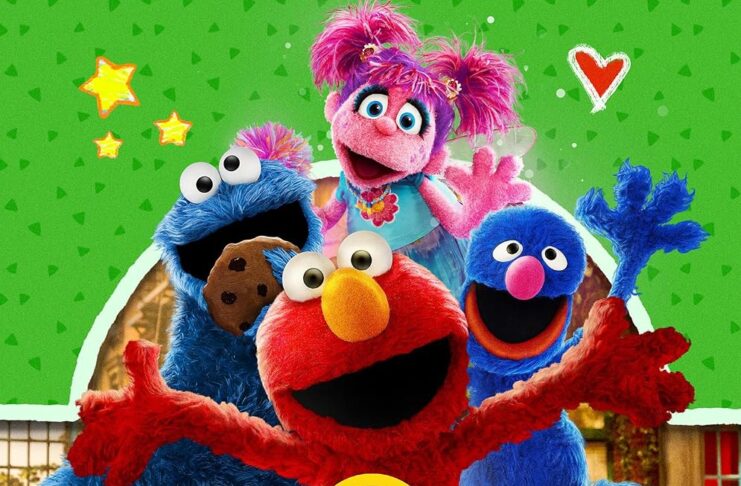
Sesame Street
Rating: 5 stars
“This is still the most rigorously researched children’s program ever made, and the deepest bench on inclusion, with Julia, an autistic Muppet. There are even storylines on food insecurity and a parent’s addiction. We’re so happy to see that this was picked back up by Netflix.”
Doc McStuffins
Rating: 5 stars
“This show is on par with Daniel Tiger. It teaches empathy through the actual mechanics of caretaking: notice something is wrong, ask what hurts, listen, help. It also does something no other show on this list does, which is take the fear out of a doctor’s visit by letting the child be the one holding the stethoscope, and that carries over into real appointments. Doc herself is a Black girl who is unambiguously the expert in every room, and a generation of kids grew up with that as the default.”
Ms. Rachel
Rating: 4 stars
“The techniques are legitimately sound: direct address, exaggerated mouth movements, repetition, and pauses that leave room for a child to respond, which is close to how speech-language pathologists model language in a session. It’s narrow by design, though, heavy on adult-led instruction and light on story or peer modeling, so kids outgrow it faster than they outgrow Daniel Tiger or Bluey. Some parents rely on Ms. Rachel to teach language. It’s worth calling out that while there are pauses for response time, that does not replace a child’s need for real-interactive conversation and no show substitutes for an evaluation if a child isn’t hitting milestones.”
Kindergarten the Musical
Rating: 4 stars
“This show expertly handles the challenging school transition, and the number of kids who are anxious about starting school makes that genuinely useful. The songs are a good delivery system for social scripts, because a child will hum a lyric about sharing or waiting in line long after they’ve forgotten a lesson. This is best suited to the four-to-six range rather than toddlers.”
Alice’s Wonderland Bakery
Rating: 4 stars
“Following a recipe is a sequencing skill, and this makes it playful. There are also early math skills taught through baking together.”
Eureka!
Rating: 4 stars
“This show features a girl inventor in the Stone Age, so the engineering is visible and physical. We love this show for the kid who wants to know how things work. My younger daughter is a tinkerer, and was always inspired watching this show.”
Firebuds Rescue
Rating: 4 stars
“This is a great show to recommend to a family of PAW Patrol-loving kids. It has the same theme of vehicles and rescue, but with actual emotional problem solving instead of problem-solving through tools and gadgets.”

