Home Blog Page 102

Let’s Get Moving in Toledo’s City Parks

People walking

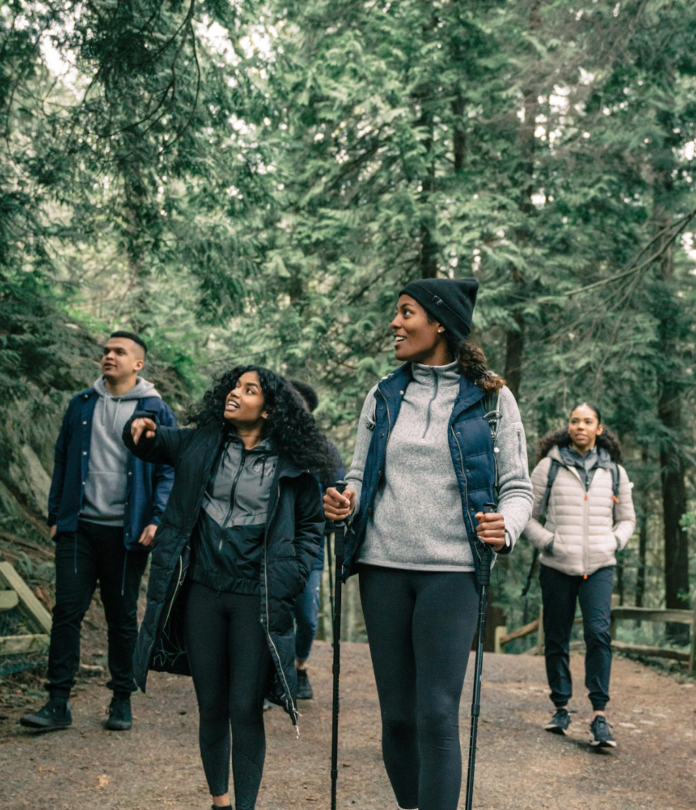
Parks and Youth Services‘ Award-Winning ‘Let’s Get Moving’ Walking Program will be holding three pop-up events in local city parks this spring and summer.

During these events, Parks and Youth Services promotes health and wellness throughout the city. Participants will also get a preview of programming starting on July 20 at Ottawa Park. At each event, Reading for Literacy will provide free books for kids. New and returning participants of ‘Let’s Get Moving’ are encouraged to attend the pop-up events.

The first pop-up event will be held from 6-8pm on Tuesday, April 16 at Close Park. Participants will take a scenic walk around Close Park and Bowman Chessie Trail. MercyHealth and the Mercy Community Nurse Team will provide health screenings during the event. Join “Ask the Expert” on Zoom to learn about the topic of minority health with Cheyenne Nawrot from the Toledo Lucas County Health Department. No registration is required for this event.

On Tuesday, May 21 at 6-8pm, the second pop-up will be held at University Parks Trail. Participants will meet at the McCord Road Entrance and take a scenic walk around University Trail, ending at Wildwood Metroparks.

Since May is Mental Health Month, the “Ask the Expert” session with NAMI of Greater Toledo on Zoom will provide an opportunity for participants to interact with mental health experts and learn about the correlation between walking and its impact on mental health.

The last pop-up of the season will be on Tuesday, June 18 from 6-8pm at Woodsdale Park. This will include a scenic walk around Woodsdale Park and an “Ask the Expert” session featuring information about health services.

‘Let’s Get Moving’ is a low-impact waling initiative where the community can join 10 bi-weekly walks to earn incentives. The program is presented by the City of Toledo Parks and Youth Services in partnership with Mercy Health System, Area Office on Aging, The Toledo Lucas County Public Health Department, Zepf Center and Metroparks Toledo.

For more information on this program and to register, visit toledo.oh.gov/get-moving.

RELATED: Health & Wellness Guide 2024

Don’t Let Your Child Become a Summer Couch Potato 

A child sitting on the couch on their device.

Despite children returning to pre-pandemic levels of physical activity, the World Health Organization has reported that kids are not meeting the necessary activity levels for good health.

During summer vacation kids lose up to 74% of cardiovascular fitness. With the laziest time of year for kids (summer break) upon us, have you thought about how your kids will stay busy as the temperatures go up? 

There are an estimated 15 million summer-time latchkey kids (ages 5-12 who stay home alone) in the U.S. and you’d think that these kids would naturally be drawn to visiting the local pool or running around outside with friends. Instead, they use the summer to sit around and engage in obesity-related behaviors like watching TV, playing video games, eating sugar snacks and fewer vegetables according to a study from Columbia University’s Mailman School of Public Health. 

To help combat this problem, just about every professional sports organization has launched a campaign to promote healthy kids. But what if you can’t connect with one of them or live in an area where these programs don’t exist?  

Gregg Murset, CEO of BusyKid, recommends that parents take control of the situation and use these tips to put a plan in place that will keep kids active all summer long, make things easier on parents and cut down on that phrase parents dread to hear, “I’m bored”.  

Communicate your expectations

Sit down with you kids and lay out a plan, as well as, what you expect. Clearly older kids will have more responsibility but that doesn’t mean the little ones get off easy. 

Schools out For summer, no laying around

Kids need to be active everyday so don’t leave home projects, chores or personal activities for the weekends.  Make sure there are a handful of projects to be completed everyday, including ones that help you like fixing dinner, doing dishes or laundry. 

Build a “busy calendar” for the kids

Use a tool like BusyKid that can be your “busy calendar”. Each day kids can see what needs to be done and can click projects/activities one at a time. This will help teach them responsibility, accountability and time management. 

Assign by strengths

Different kids are good at different things. Maybe one of your kids hates doing things outside. Maybe another loves the sunshine and fresh air. Besides assigning things by age, look at what they like doing and build the calendar from there.  

Find balance

Make sure the “busy calendar” has a good balance of chores and fun. For every hour of chores, try to have one hour of another activity where your kids can enjoy themselves. After all, it’s their summer too. 

Reward success

If all goes according to your plan, your kids will be moving around a bunch this summer and plenty of projects will be done. Make sure to reward them for working hard or staying with the plan. Paying an allowance is a great way to reward your kids and using BusyKid will help them learn how to save, spend and invest it wisely. 

RELATED: So, What Are Your (Latchkey) Kids Are Doing After School?

Earth Day Activities for the Whole Family to Enjoy and Make an Impact

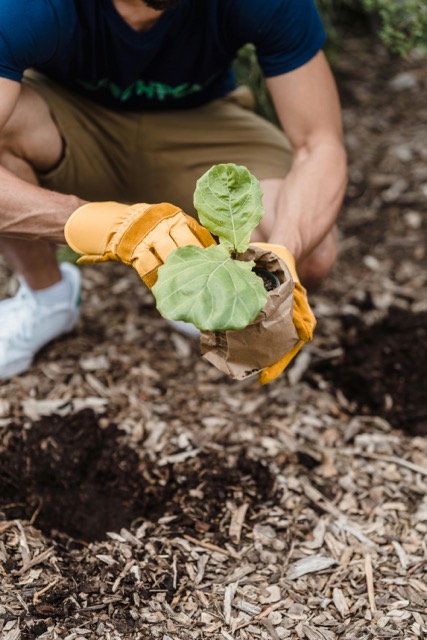
A person planting a plant in the soil.

Earth Day, which takes place every year on April 22, is a way to support environmental protection and enjoy the many incredible benefits that nature provides. Founded in 1970 when millions of Americans took to the streets and parks to demonstrate their support for our planet, this special holiday was created to inspire awareness and appreciation for environmental protection. Today, participants all around the world come together in their campaigns for plastic waste elimination, sustainable fashion, climate change and other green initiatives to help make a difference and protect our environment. 

Earth Day is the perfect opportunity to celebrate our precious planet and remember that it is the only one we have — and it needs our help. By taking part in Earth Day activities like planting trees and cleaning up parks, we can ensure that our planet remains healthy and habitable for future generations.

Your family can celebrate Earth Day in numerous ways — by attending events in person and online, organizing your own events, participating in environmental volunteer projects, or simply spending time outside as a family. Here are some fun ideas to celebrate on April 22 (and every day!) to make an impact and connect to nature. 

Spend time learning

Teaching children about environmental issues can help pique their interest in and curiosity about nature, and may even lead them to want to take action. Read books; recite and write nature poetry; watch environmental shows and documentaries; take trips to nature centers, gardens, and scenic destinations; and participate in science education programs.

Local libraries are a great place to spend the day exploring environmental topics. There are story hours, dog reading programs, and other special events focused on nature topics. Many libraries now let you borrow science kits and outdoor exploration backpacks.

Host an Earth-friendly feast

Every celebration needs a delicious meal, right? Take this opportunity to spend time together in the kitchen cooking a nutritious meal that supports our planet— whether that means vegetarian, vegan or organic to your family. If you have your own garden, center the meal around the produce you nurtured. 

By savoring nature’s bounty, you can stop and appreciate how much we rely on the Earth to provide the many nutrients we need to stay healthy. Keep the festivities green by avoiding single-use plastics and other unnecessary waste. Opt for natural decorations like plants, flowers, produce, leaves, etc. instead of buying plastic ones that will just get tossed away.

Join an Earth Day event

Look out for environmental-related events organized by local nature centers, science museums, libraries, schools, environmental groups or local governments. You may be able to find an Earth Day Fair or concert in your community to attend.

There are usually global events online as well to connect to people in different countries. Check earthday.org for event listings.

Organize a virtual Earth Day party

Earth Day is a great excuse to connect with friends and family no matter where they live. You can send an online invitation, get a group together through an online platform, and celebrate the planet together.

Some activities that you can do include making an eco-craft, reading environmental poetry or books, writing letters to elected officials to support the environment, and playing nature-themed games like charades or jeopardy. You could even have everyone give a tour of their backyards or do a backyard scavenger hunt. 

Volunteer

In addition to encouraging children to spend more time outside enjoying nature, they can play a role in improving and protecting it through hands-on volunteer projects. Keep natural areas pristine and garbage-free by participating in a trash cleanup at a beach, lake, playground or other location. Look for opportunities to volunteer at a local community garden to help with planting seeds, weeding and picking fruits and vegetables. Often the fresh produce grown at a community garden is donated to local food banks. If your family loves animals, volunteer at a nature center, zoo, horse ranch or animal shelter.

Finally, make a big difference to beautify our world and reduce the impact of climate change by planting trees, flowers, and other vegetation in your community. This is such a positive, hands-on activity for children because they will get to see for themselves the impact they can have. Many towns host planting events and have goals to plant a certain number of trees annually. Check out Tree City USA for information in your area.

Support environmental organizations

When we give to others, we feel better and experience what is known as a helper’s high. Spend some time this Earth Day choosing one or more environmental organizations (local, national, or international) to either join or send a donation to. Some favorites include Sierra Club, World Wildlife Fund, Ocean Conservancy, and Earthjustice. Consider supporting an animal shelter, botanical garden, or nature center in your area.

Take the Ecohappiness Challenge

Tap into the power of nature to feel calmer and happier by challenging your family to find one way every day to connect to nature. These activities range from going for a mindful bike ride to listening to nature sounds to gazing at the stars.

You can download your own FREE Ecohappiness Challenge Calendar filled with activities that can be done from inside your home, on your balcony or in your backyard. Start your challenge on Earth Day and see how many days in a row you can connect to nature. 


5 Ways to Get Your Teens Outside

Someone working on a computer outside.

You know your kids are growing up when they no longer have recess at school. When my son started middle school, recess and even physical education were no longer part of his schedule. While he could choose a gym class, he opted for a hectic academic schedule instead. This shift really worried me because I know how beneficial a relaxing break outdoors can be for him. 

Time outdoors in nature can help reduce stress and enhance mood. It has also been shown to improve focus and attention; boost creativity; decrease feelings of irritability and anger and lower physical symptoms of stress like blood pressure, heart rate and muscle tension.

There is now so much science to back this up that more doctors are even giving out nature prescriptions to their patients to encourage them to reduce stress and balance time on screens with time outdoors doing activities they enjoy. In fact, a groundbreaking study published in 2019 in Scientific Reports found that spending at least 120 minutes a week in nature is associated with good health and well-being. 

A number of stressors are taking a toll on our teens. Indeed, child and adolescent mental health disorders are the most common illnesses that youth will experience under the age of eighteen. With the rise in mental health issues like anxiety and depression in addition to physical health issues like obesity due to factors including technology use, it is clear that we need to do something to help our teens. Nature can be a big part of the solution. 

But what do we do about teens who are too busy and feel like they are too old to play outside? 

All of us—including teenagers—need healthy breaks throughout the day to recharge and get back to a balanced state both mentally and physically. This will help them come back energized and inspired as they continue on with their day. If they do not get these necessary breaks, they will probably burn out before they even have the chance to receive their high school diploma.  

It turns out that my son actually gets more time outdoors during his school day than I initially realized. I shadowed his daily schedule during back-to-school night and quickly learned that he runs outside all over campus, back and forth between buildings, throughout the day. He also eats lunch outside most days. I was thrilled to discover this, but realize this is not the case for most teens who have a different type of school set up or who live in a colder climate. 

So, how can we help teens get the nature breaks they need throughout their week? My biggest advice is to start with what they already love. If they are athletic, sign them up for outdoor sports. If they are artistic, consider art projects like nature photography or drawing outside. If they love to cook, start a family garden and enjoy creating delicious meals together. If they love math and science, get them involved in nature-related experiments. 

Here are some more fun ways to get teens outside that they won’t think they are too cool for: 

Local trips

Carve out some time after school or on the weekends to get away to places that fill your teen with a sense of peace and relaxation. Some ideas include parks, botanical gardens, sculpture gardens, nature centers, wildlife refuges, hiking trails and fountains. Depending on where you live, maybe you can head over to the beach or a lake to enjoy the sights and sounds of the water. If your teens are old enough, encourage them to plan a fun outdoorsy day trip with friends to go hiking, birdwatching, or to simply hang out and relax. 

Outdoor adventures

Many teens love traveling to discover exciting new places. Taking them on outdoor adventures to try something fun and challenging can play a significant role in their happiness and personal growth, not to mention all the precious memories you will build together. Some ideas include camping, boating, kayaking, river rafting, caving, mountain biking, rock climbing, zip lining, geo-caching, skiing, surfing and doing a ropes course.

Social gatherings

Another great way to get your teens connecting to nature more often is to organize gatherings that take place outdoors. This can be as simple as having your kids eat breakfast outside before school or setting up your family dinner in your backyard.

See if your teens want to invite some friends over to study or to enjoy a barbeque. Organize a family gathering for an upcoming holiday, but instead of sitting around your dining room table, take the fun outside (even if it means wearing sweaters or coats). Always look for opportunities for more outdoor time as holidays, birthdays and other special occasions arise. 

Pet breaks

Once a pet lover, always a pet lover. If you have a family pet, then give your teen more responsibility to take care of it. This can really help them feel better since animals can have a profound impact on well-being by reducing stress and improving mood. Making time for a pet break before or after school, such as going for a walk or simply petting the animal, can give your teen a real happiness boost.

Volunteering

Whether or not your teen has a community service requirement at their school, volunteering has so many benefits to their health and well-being. The simple act of doing something for another can trigger positive emotions that help them feel happier and calmer. By combining community service and nature, teens can experience a double dose of stress-busting bliss. Some ideas include: 

  • Citizen Science: Gain science experience and help the scientific community by collecting scientific data. Find projects at CitizenScience.gov, SciStarter, and Zooniverse.
  • Parks and Nature Centers: Local, state, and national parks and wildlife preserves often need help with projects like hiking trail maintenance, planting trees, and removing invasive plant species.
  • Community Gardens and Local Farms: Both community gardens and local farms need help with planting seeds, watering plants, weeding, composting, and picking produce. 

And remember, teens are not too old to enjoy being outside. I recently was at the playground near our neighborhood and I got on a swing. I felt so amazing and light for a few minutes flying through the air and sensing the cool breeze on my skin. I didn’t care who was watching me act childlike because it made me feel so incredible. If I can do that in my forties, then your teen can do it, too. Every chance they get to feel free outdoors will help them thrive. 

RELATED: When Kids Reject Sports: Keeping Kids Active When They Avoid Team Sports


KeaBabies Giveaway